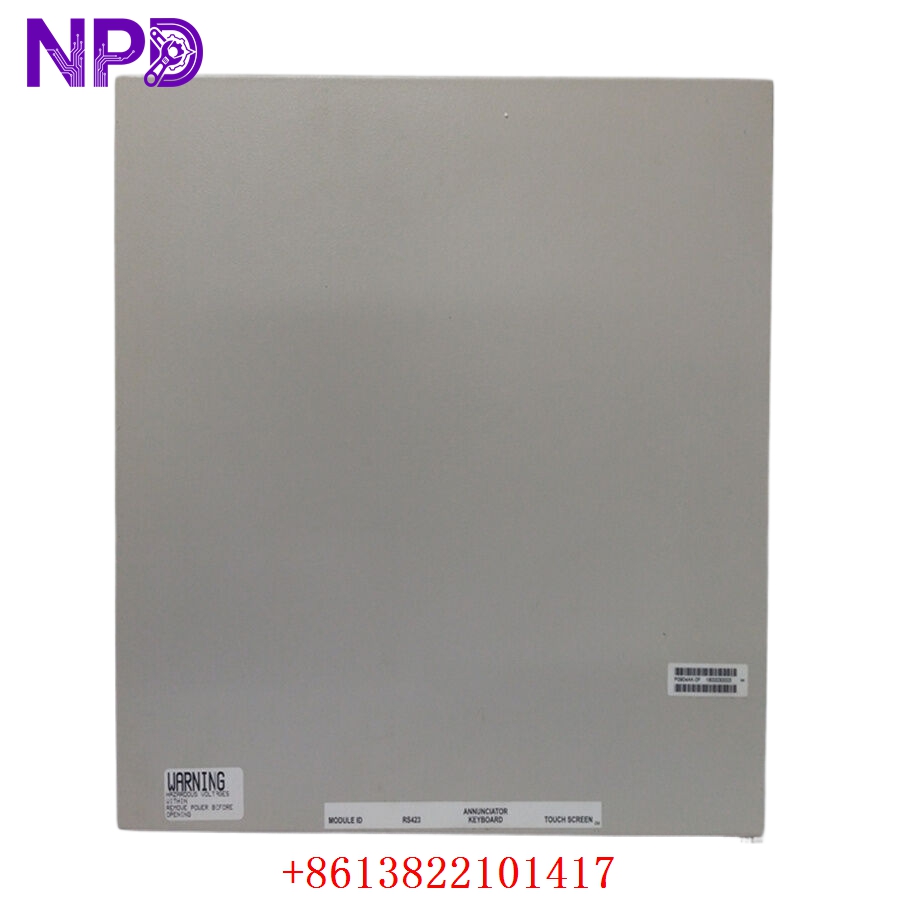

Description
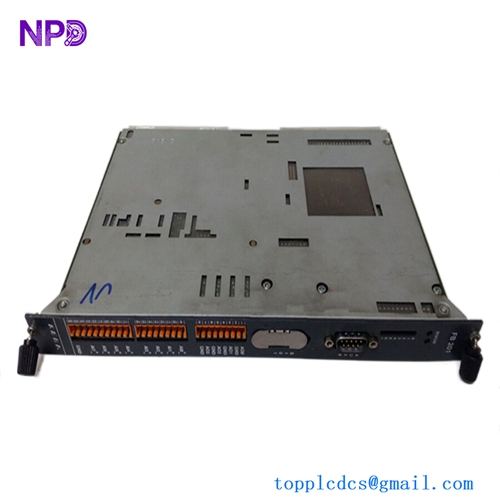
The STN Atlas ESS 401 (Part Number 271.128) is a high-reliability Engine Safety System (ESS) module designed for mission-critical engine protection. It acts as the central logic gate for monitoring engine health, processing inputs from critical sensors such as lubricating oil pressure, cooling water temperature, engine speed (overspeed), and crankcase pressure. In the event of a dangerous condition, the ESS 401 triggers an immediate automatic shutdown or slowdown of the main engine, ensuring the prevention of catastrophic mechanical failure.

Key Technical Specifications
| Parameter | Value/Description |
| Part Number | 271.128 |
| System Compatibility | STN Atlas/Lyngsø Marine Engine Automation |
| Primary Function | Automatic Engine Shutdown & Safety Interlocks |
| Sensor Inputs | Analog (Pressure/Temp) and Digital (Binary switches) |
| Safety Logic | Hardwired or programmable safety logic |
| Response Time | High-speed trip processing (millisecond range) |
| Operating Voltage | 24V DC nominal |
| Mounting | Engine Control Cabinet / Safety Rack |
| Environment | Marine-certified (IACS vibration/humidity) |
Recommended Related Models
These modules are frequently integrated with the ESS 401 to provide a complete engine safety loop:
- 271.149 289/B: DZM 402 Speed Relay Module (for overspeed protection)
- 271.129: ESS 402 (Expansion or Redundant Safety Module)
- 271.130 436/E: MXM401 Multiplexer Module
- 271.149 300: Central Processor Unit (CPU)
- 271.149 400: Power Supply Module
- 271.149 420: Universal I/O Expansion
- 271.149 450: Relay Output Expansion Module
- 271.149 310: Alarm Annunciator/Display
- 271.149 600: Communication Gateway Interface
- 271.130 400: Data Gateway/Bridge Module
Critical Safety Note: The ESS 401 is a safety-critical device. Before replacing this module, ensure you are utilizing the correct revision of the unit, as internal logic or threshold settings can differ between production batches. Always perform a function test by simulating a trip signal (using an external calibrator) through the module to ensure the safety interlock—such as the engine fuel rack shut-off solenoid—actually trips before putting the engine back into service.