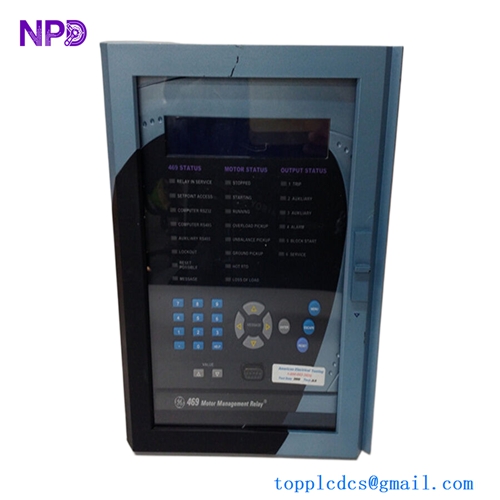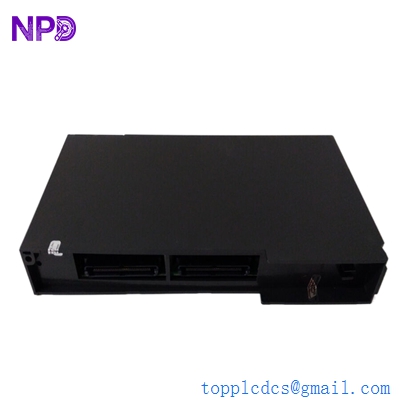

Description
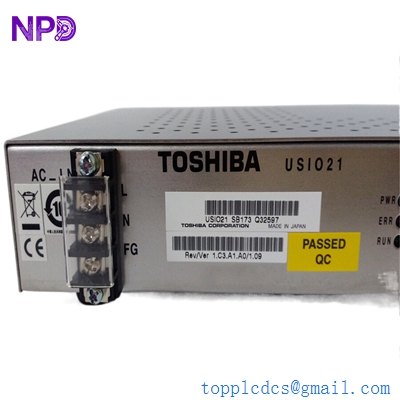
- Model: TOSHIBA TCPSV
- Brand: Toshiba (Japan)
- Series: V-Series Integrated Control System (DCS)
- Core Function: Operator Interface / Control Station Processor for V-Series DCS
- Product Type: Control Station Module
- Key Specs: Proprietary V-Net Communication High-Speed Internal Bus Dual-Loop Support
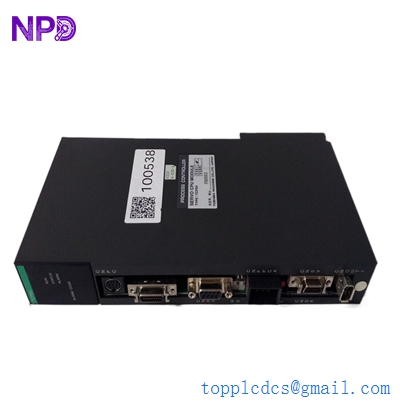
TOSHIBA TCPSV
Key Technical Specifications
- System Architecture: Designed for Toshiba V-Series DCS (Distributed Control System)
- Communication Interface: Dual redundant V-Net ports for high-level system integration
- Processor: Toshiba proprietary 32-bit industrial RISC engine
- Memory Configuration: Integrated ECC RAM for high-integrity data processing
- I/O Capacity: Supports up to 256 local and remote I/O points through the station bus
- Scan Time: Typically 10ms to 50ms (Configurable based on control loop complexity)
- Operating Voltage: 100-120 Vac or 200-240 Vac (Model specific, check jumper settings)
- Mounting: Standard V-Series rack-mount chassis
- Front Panel: Status LEDs for RUN, ALARM, ERROR, and V-NET Link activity
- Diagnostic Port: RS-232C port for local maintenance and configuration downloads
Application Scenarios & Pain Points
The TCPSV is a cornerstone of the Toshiba V-Series DCS, widely used in Japanese and Southeast Asian heavy industry. Because the V-Series is a legacy platform, the primary pain point for plant managers is “Planned Obsolescence.” Toshiba has shifted focus to newer platforms, meaning the lead time for a TCPSV module through official channels can be several months, if they are available at all.
When a TCPSV fails, you lose the operator’s ability to monitor or manipulate a specific section of the process. In a continuous process like a steel mill or a chemical plant, a “blind” operator station often requires an emergency shutdown for safety reasons. Finding a reliable, tested TCPSV is the only way to extend the lifecycle of these robust but aging systems.
Typical Application Scenarios:
- Steel & Metallurgy – Rolling Mill Control Managing high-speed motor synchronization and tension control in hot/cold rolling lines.
- Chemical Processing – Distillation Columns Handling complex PID loops and interlocking for temperature and pressure management.
- Power Generation – Auxiliary Boiler Control Maintaining steam pressure and water levels through redundant V-Net communication links.
- Water Treatment – Large Scale Pumping Stations Coordinating multiple pump starts/stops and flow regulation across wide geographical areas.
Case Study: The “Blind” Water Treatment Plant
Background: A municipal water treatment facility in Southeast Asia was running on a 15-year-old Toshiba V-Series system. One morning, the TCPSV in the main control room suffered a catastrophic power supply failure.
The Problem: The operator lost all HMI screens for the filtration unit. While the local PLCs were still running, there was no way to change setpoints or acknowledge alarms. The local distributor had zero stock and suggested a $200,000 system-wide upgrade.
The Solution: We provided a New Surplus TCPSV. We worked with the site engineer to verify the firmware revision (which is critical for V-Series compatibility) before shipping.
Result:
- Recovery: The module arrived in 72 hours.
- Cost Savings: The plant avoided a massive, unplanned capital expenditure.
- Outcome: The station was restored, and the plant resumed normal operations with full visibility.
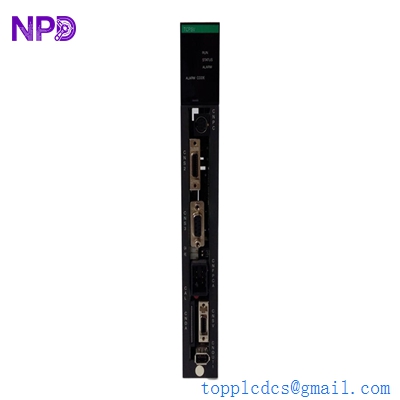
TOSHIBA TCPSV
Compatible Replacement Models
Toshiba V-Series hardware is very specific. You must match the “TCP” prefix and the “SV” suffix exactly to ensure backplane compatibility.
| Original Model | Replacement/Alternative | Compatibility | Key Differences | Change Required |
| TCPSV | TCPSV-A | ✅ Direct Replace | Minor component update for better heat dissipation. | None. Plug and play. |
| TCPSV | TCPSS | ❌ Incompatible | “SS” is a Slave Station, lacking the processing power of the “SV”. | Cannot run master control loops. |
| TCPSV | nS Series (Newer) | ⚠️ Software Compatible | Toshiba’s modern migration path. | Requires new rack, power supply, and software conversion. |
Troubleshooting Quick Reference
| Symptom | Possible Cause | Related to TCPSV? | Quick Check | Action |
| “RUN” LED Off | Processor Stall | ✅ High | Check the “ALARM” LED; if red, internal watchdog has tripped. | Power cycle; if persists, replace module. |
| “V-NET” Link LED Off | Cable/Connector Fault | ⚠️ Medium | Reseat the twin-ax V-Net connectors. | Check V-Net terminators at the end of the line. |
| “BATT” LED On | Memory Battery Low | ✅ High | Measure the internal lithium battery voltage. | Replace battery (3.6V typical) while powered to avoid data loss. |
| Intermittent Freezing | Power Supply Ripple | ⚠️ Medium | Check the 5V DC rail on the backplane for noise. | Replace the rack power supply module. |
| Config Mismatch Alarm | Firmware Revision | ✅ High | Compare firmware labels on the EPROM chips. | Swap EPROMs from the old board to the new board. |
❗ Pro-Tip: The Firmware EPROM Swap
On these older Toshiba modules, the “smarts” are often stored on physical EPROM chips. If you have a failed board and the new one doesn’t seem to talk to the network, it’s often because the firmware version is different. In 80% of cases, you can simply move the socketed EPROM chips from your old TCPSV to the new one to maintain your specific system configuration.