
Description
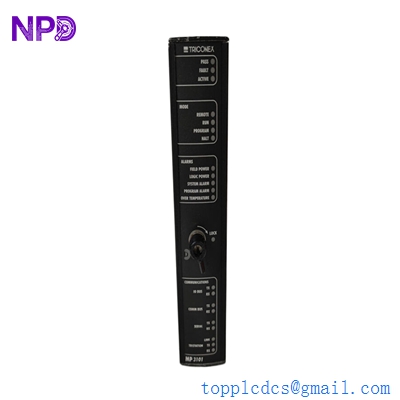
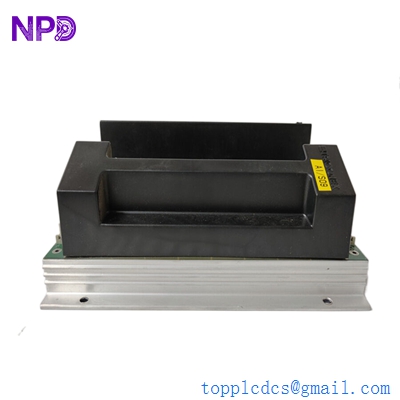
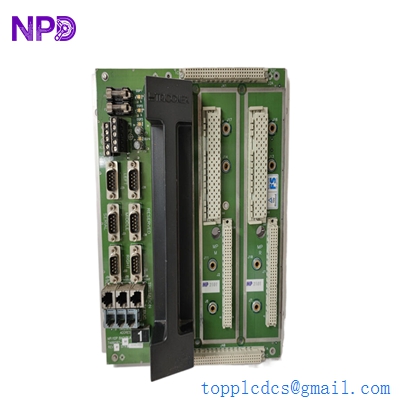
- Model: Triconex 2101
- Brand: Triconex (Schneider Electric)
- Series: Tricon Lite / Tricon System
- Core Function: Main Processor (MP) for TMR safety systems
- Product Type: CPU / Main Processor Module
- Key Specs: Triple Modular Redundant (TMR) SIL 3 Rated 32-bit Architecture
- Safety Rating: SIL 3 (IEC 61508 compliant)
- Architecture: Triple Modular Redundant (TMR) – Three isolated sub-processors
- Processor Type: 32-bit High-speed microprocessor
- Memory: 16 MB Flash / 32 MB DRAM (Dependent on hardware revision)
- Scan Time: Typically 10–20 ms (Application dependent)
- Diagnostics: Self-diagnostics coverage >99.9%
- Communication: Inter-processor TriBus link (25 Mbps)
- Programming Tool: TriStation 1131
- Operating Temperature: 0 °C to +60 °C

TRICONEX 2101
Application Scenarios & Pain Points
In the world of Safety Instrumented Systems (SIS), the Triconex 2101 is a heavyweight. This isn’t a standard PLC; it is a logic solver designed to protect lives and multi-billion dollar assets. In my experience, if a 2101 module fails, the “Pass” LED drops, and the system relies on the remaining two processors to maintain the TMR voting logic. If you lose a second one before replacing the first, you are looking at a full plant trip—or worse, a loss of safety coverage.
Typical Application Scenarios:
- Emergency Shutdown (ESD) Systems The primary brain for shutting down high-pressure oil and gas wells or refinery units during a detected hazard.
- Fire and Gas (F&G) Systems Processing inputs from thousands of smoke, flame, and gas detectors to trigger suppression systems without “nuisance” trips.
- Burner Management Systems (BMS) Ensuring the safe startup, operation, and shutdown of industrial boilers and furnaces.
- High Integrity Pressure Protection Systems (HIPPS) Providing sub-second response times to isolate pipelines and prevent overpressure scenarios.
Case Study: The “Voting” Discrepancy
Background: A petrochemical facility was running a Tricon system where one 2101 module started reporting a “Retrying” status on the TriBus communication link.
The Problem: While the plant remained online because of the TMR architecture (2-out-of-3 voting), the system was now in a “degraded” mode. If any other hardware fault occurred, the safety system would have forced a total plant shutdown. The diagnostic logs showed a memory parity error on sub-processor B.
The Solution: We provided a certified 2101 module from our emergency stock. We assisted the onsite tech in performing a “Hot Swap,” ensuring the new module synchronized its state with the active processors without bumping the process.
Result: The system returned to “Healthy” TMR status within minutes of the module arriving on site. The client avoided a forced $250,000 shutdown.
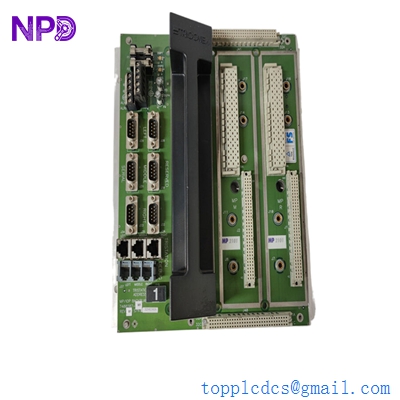
TRICONEX 2101
Compatible Replacement Models
The 2101 is often part of the Tricon Lite or smaller-scale Tricon chassis. Compatibility is strictly limited by the TriStation 1131 software version.
| Model Number | Compatibility | Main Difference | Integration Note |
| 2101 | ✅ Direct | Original MP for Lite systems | Drop-in replacement; match firmware Rev. |
| 3008 / 3008N | ❌ Incompatible | High-performance MP for Tricon v9/v10 | Different physical footprint and backplane. |
| 4101 | ⚠️ Related | Remote I/O or COM module | Does not perform safety logic. |
Troubleshooting Quick Reference
| Symptom | Possible Cause | Relevance | Action |
| “PASS” LED Off | Internal Hardware Fault | ✅ High | Check the TriStation 1131 “Diagnostic Monitor” for specific error codes. |
| “ACTIVE” LED Blinking | State Synchronization | ⚠️ Medium | Normal during a hot-swap; if it persists, the module cannot sync with the others. |
| “LOAD” LED On | Program Mismatch | ✅ High | The module does not have the same project as the other two processors. |
| “ALARM” LED On | System Health Warning | ⚠️ Medium | Check for I/O module faults or power supply issues in the rack. |
Technical SOP & Quality Guarantee
Because this is life-safety equipment, we do not take chances:
- Triple-Channel Verification: We test all three internal sub-processor channels to ensure the “voting” mechanism is perfectly synchronized.
- TriStation 1131 Download Test: We perform a full project download to the module to verify Flash and DRAM integrity.
- Communication Stress Test: We verify the 25 Mbps TriBus interface to ensure it can talk to the other MP slots in a chassis.
- Battery Check: We test the internal RAM battery; if it’s below the threshold, we replace it to ensure your program isn’t lost during a power cycle.
Field Engineer’s Warning: Honestly, before you pull a 2101, make sure the other two processors are in “PASS” mode and the “ACTIVE” LEDs are steady. If you pull the wrong one during a degraded state, the system will execute a “Fail-Safe” action—meaning your whole plant goes dark. Always check the system status via TriStation before touching the hardware.