
Description
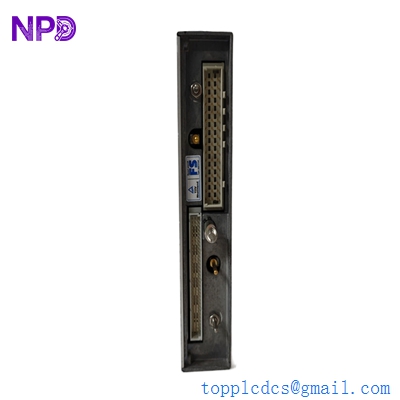
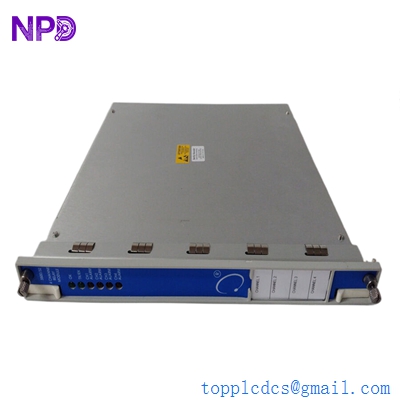
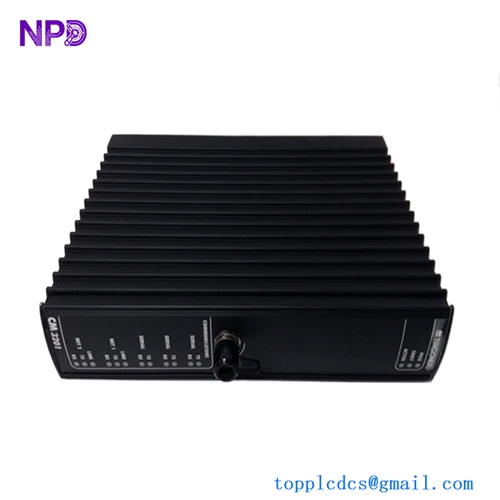
- Model: Triconex 3351
- Brand: Triconex (Schneider Electric)
- Series: Tricon Lite / Tricon System
- Core Function: 16-Channel TMR Digital Output (DO) Module
- Product Type: Digital Output Card
- Key Specs: 24 VDC Triple Modular Redundant (TMR) Supervised Outputs SIL 3
- Number of Channels: 16 Outputs (Commoned in groups)
- Nominal Output Voltage: 24 VDC
- Output Current Rating: 0.7 A per point (Max) / 10 A total per module
- Architecture: Triple Modular Redundant (TMR) with internal 2-out-of-3 voting
- Output Type: Sourcing (Positive logic)
- Diagnostics: Integrated Load Supervision (Open/Short circuit detection)
- Isolation: 1,500 VDC (Field to Logic)
- Safety Rating: SIL 3 (IEC 61508)
- Leakage Current: < 1 mA (Off state)
- Response Time: < 10 ms (TriBus to Output)
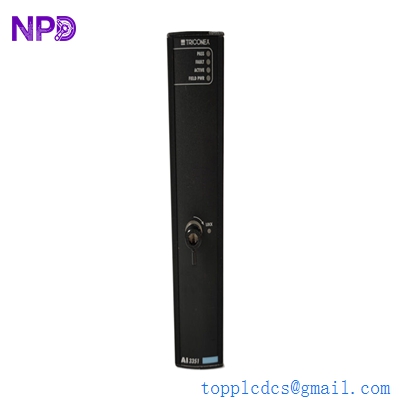
TRICONEX 3351
Application Scenarios & Pain Points
The Triconex 3351 is the “executioner” of the safety system. While input modules detect trouble, the 3351 is the card that actually shuts the valves, trips the breakers, or activates the fire suppression. Because it is TMR, it uses a complex internal voting circuit to ensure that no single component failure can cause a “False Trip” or, more dangerously, a “Fail to Function.”
Typical Application Scenarios:
- Emergency Shutdown (ESD) Driving solenoids for main isolation valves (MOV) that must close during a process upset.
- Fire and Gas Suppression Activating deluge valves or CO2 release systems in response to fire detection logic.
- Machine Guarding Controlling safety relays and interlocks for heavy rotating equipment or high-pressure turbines.
- Critical Load Management Tripping large medium-voltage breakers to prevent equipment damage or electrical fire.
Case Study: The “Supervision” Headache
Background: A chemical refinery was getting persistent “Output Load Fault” alarms on a 3351 module controlling an emergency flare valve. The valve appeared to function manually, so the plant operators suspected the card was failing.
The Problem: The 3351 is a supervised module. It doesn’t just send power; it checks the “health” of the connected load. We analyzed the module logs and found a “High Resistance” fault. It wasn’t the card—it was a corroded terminal box near the flare where the solenoid coil was losing its ground path.
The Solution: We supplied a tested 3351 to rule out hardware failure while the site team cleaned the external wiring. Once the new card was inserted, it confirmed the solenoid health was within the 0.7A threshold.
Result: The plant avoided a $100k “precautionary” shutdown of the flare line.
Similar Product Recommendations
The 3351 is optimized for the Tricon Lite series. Ensure your chassis and software support this specific card number.
| Model Number | Compatibility | Main Difference | Integration Note |
| 3351 | ✅ Direct | 16-Channel 24V DC | Standard TMR Digital Output. |
| 3625 | ❌ Incompatible | 32-Channel 24V DC | Used in larger Tricon v10 racks. |
| 3381 | ⚠️ Related | 120V AC version | Used for AC solenoid control. |
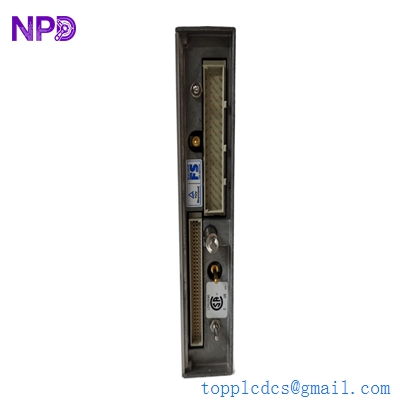
TRICONEX 3351
Troubleshooting Quick Reference
| Symptom | Possible Cause | Relevance | Action |
| “PASS” LED Off | Critical Internal Hardware Failure | ✅ High | Replace the module immediately; safety integrity is compromised. |
| “LOAD” LED On | Open or Short Circuit in Field | ✅ High | Check the solenoid coil resistance and the cable integrity. |
| “ACTIVE” LED Blinking | State Synchronization Mode | ⚠️ Medium | Normal for a few seconds after insertion; if it persists, check MP version. |
| “FAULT” LED Solid Red | Over-temperature / System Fail | ✅ High | Check for blocked airflow in the rack or excessive total current draw (>10A). |
Technical SOP & Quality Guarantee
Safety output cards require testing that simulates real-world “worst-case” scenarios:
- Triple-Channel Pulse Test: We verify that all three internal output drivers can independently turn on and off, and that the 2-out-of-3 voter correctly ignores a single “stuck” driver.
- Load Supervision Calibration: We test the module against specific resistance loads to ensure it accurately reports “Open Circuit” and “Short Circuit” conditions.
- High-Current Burn-in: We run the module at 80% of its total rated current (8 Amps) in a 55°C environment to ensure stability under full-load stress.
- Leakage Verification: We measure the “Off-state” leakage to ensure it won’t accidentally keep a sensitive safety relay energized when it should be off.
Engineer’s Pro-Tip: The 3351 is very sensitive to inductive flyback. If you are driving a large solenoid without an external surge suppressor (diode or varistor), you will eventually fry the internal output transistors. Always check that your field solenoids have proper suppression installed at the coil.