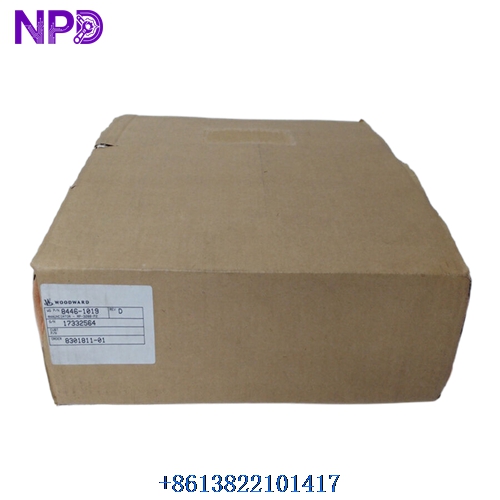

Description
📦 Product Introduction
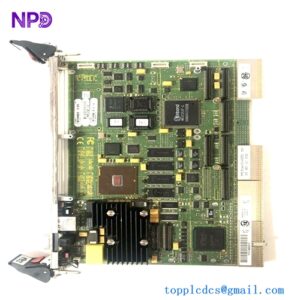
The Triconex 3700A is a high-performance, 32-channel analog input module engineered for use within Tricon Safety Instrumented Systems (SIS). Operating on a Triple Modular Redundancy (TMR) architecture, it delivers exceptional fault tolerance and reliable data acquisition for safety-critical industrial applications such as emergency shutdown and fire protection systems. It safely monitors 0-5 VDC differential signals featuring a 6% overrange capability, ensuring high precision and continuous operational availability in demanding hazardous environments.

📊 Technical Datasheet
- Model Number: 3700A
- Manufacturer: Triconex
- Country of Origin: United States
- Input Signal Range: 0-5 VDC with 6% Overrange
- Number of Input Channels: 32 Differential Channels
- Power Consumption: 10 W Maximum
- Resolution: 12 bits
- Dimensions: 297 mm x 108 mm x 185 mm
- Weight: 2.5 kg
- Operating Temperature: 0°C to +60°C
🔧 User Instructions
- Chassis Installation: Insert the module carefully into a designated slot within a standard Triconex main chassis or expansion rack.
- Field Wiring: Connect field input signals to the corresponding External Termination Assembly (ETA) using properly shielded cabling to minimize noise interference.
- Software Configuration: Set up module parameters, signal scaling, and threshold limits using the authorized TriStation engineering software.
- Status Monitoring: Regularly check the diagnostic LED indicators (such as PASS, FAULT, and ACTIVE) on the front faceplate to verify normal module health.
❓ Frequently Asked Questions (Q&A)
- Q: What is the primary function of the Triconex 3700A module?
A: It is designed to acquire high-precision analog signals and process them safely within a triple-modular redundant safety architecture.
- Q: Can this module be replaced while the system is running?
A: Yes, the system design supports online module replacement, allowing maintenance without shutting down the active control process.
- Q: What does the 6% overrange feature provide?
A: It enables the module to reliably process input values that stretch slightly past the standard 5 V limit without experiencing clipping or signal distortion.