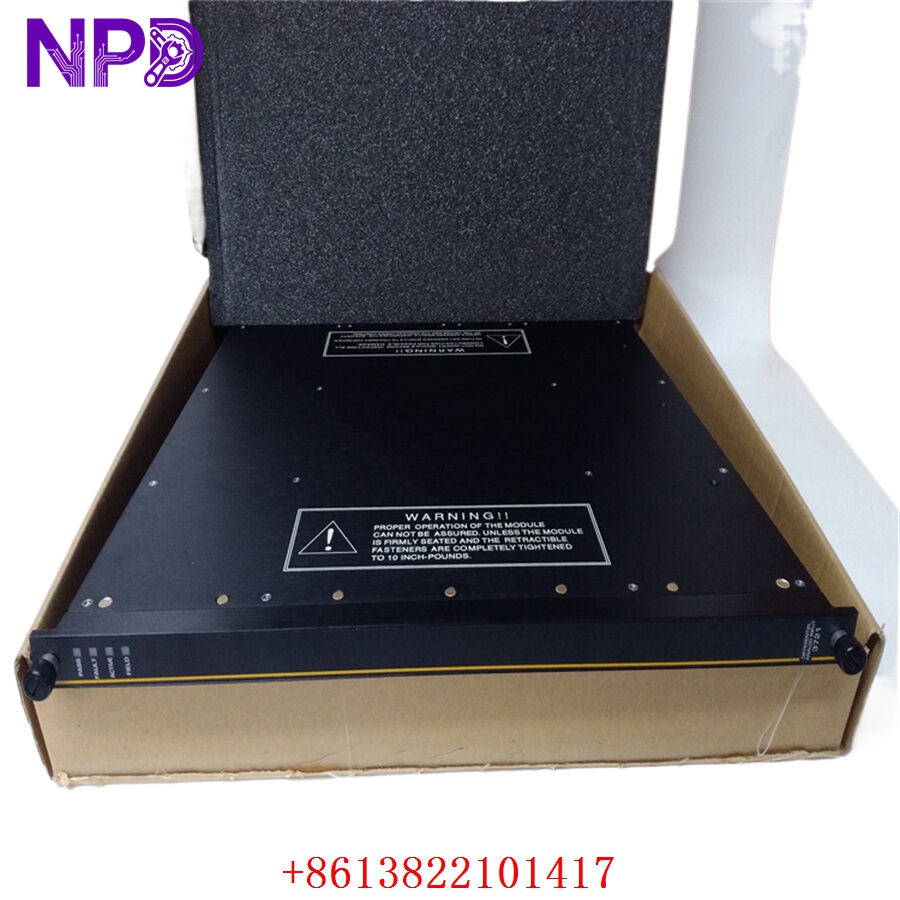
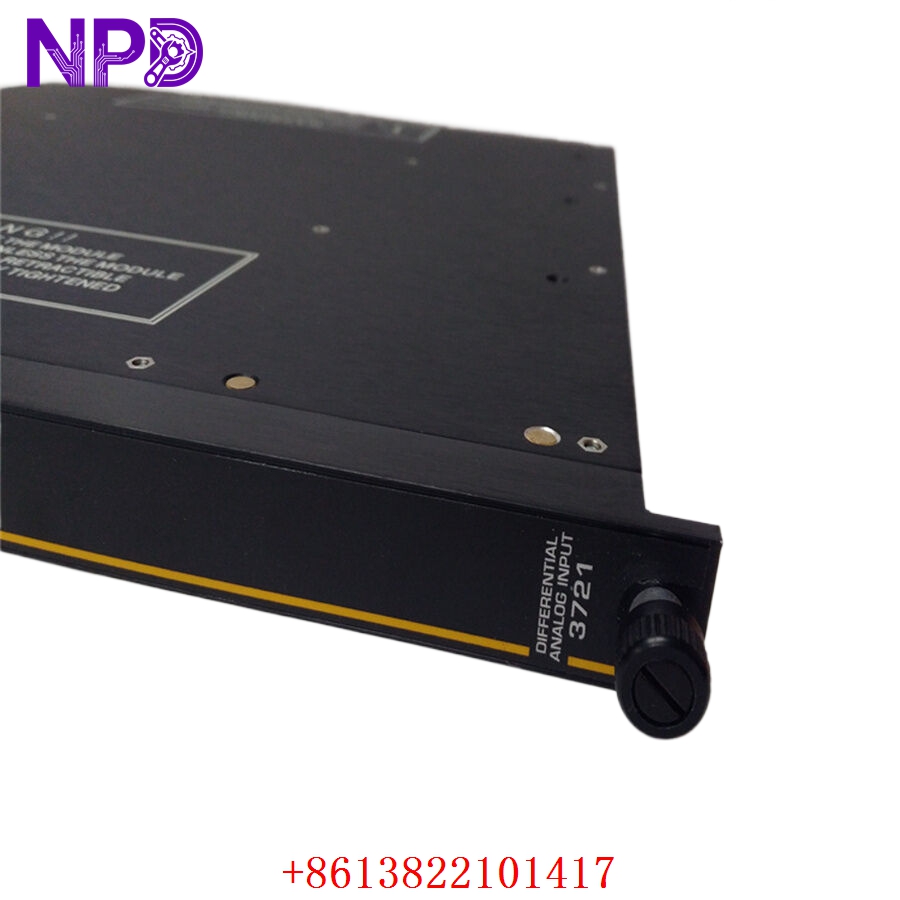

Description
Product Core Brief
- Model: 3721
- Brand: Triconex (by Schneider Electric)
- Series: Triconex TMR (Triple Modular Redundant)
- Core Function: Safety-critical Analog Input processing for SIS (Safety Instrumented Systems)
- Type: Analog Input Module (AI)
- Key Specs: 32 Differential Channels 0 to 5 VDC TMR Architecture
Key Technical Specifications
- Input Type: Isolated Differential
- Number of Channels: 32
- Input Signal Range: 0 to 5 VDC
- Architecture: Triple Modular Redundant (TMR) with internal 2-out-of-3 voting
- Resolution: 12 bits
- Input Impedance: >10 MΩ (DC)
- Common Mode Rejection: -80 dB (DC to 60 Hz)
- Accuracy: <0.15% of FSR (0°C to 60°C)
- Update Rate: 10 ms (All 32 channels)
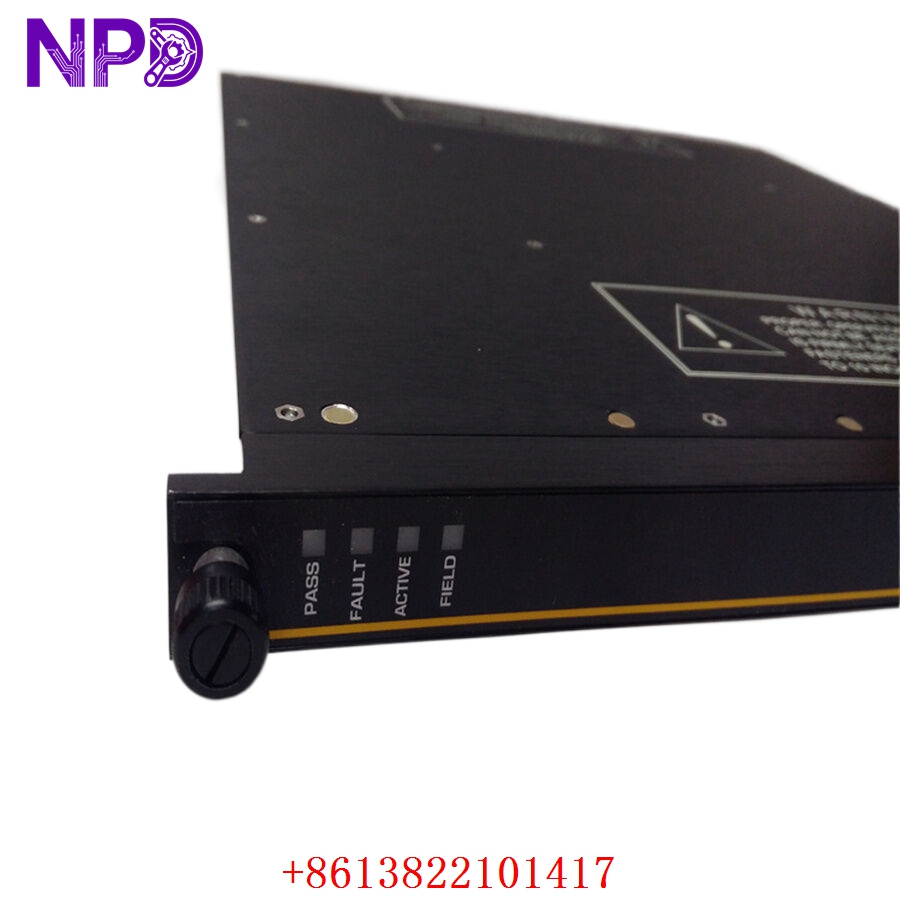
- Diagnostic Indicators: Pass, Fault, Active, and Load LEDs per module
- Field Terminations: Supports External Termination Panels (ETP)
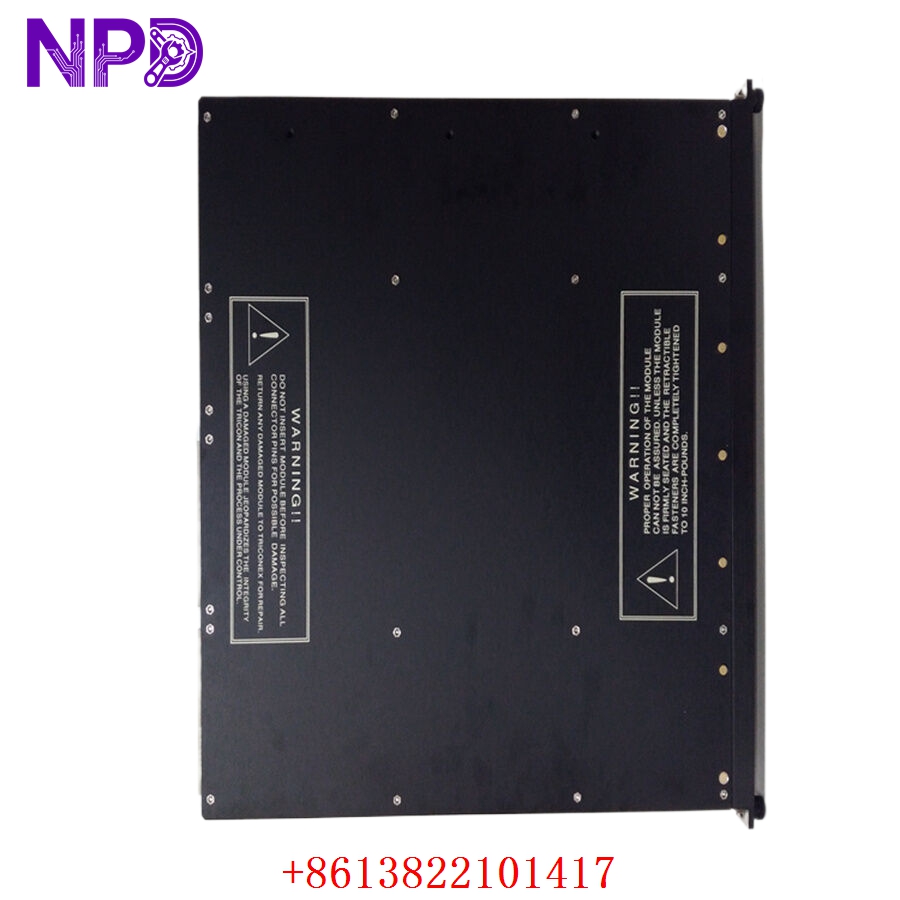
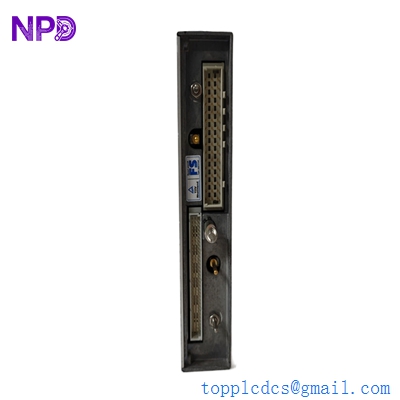
TRICONEX 3721
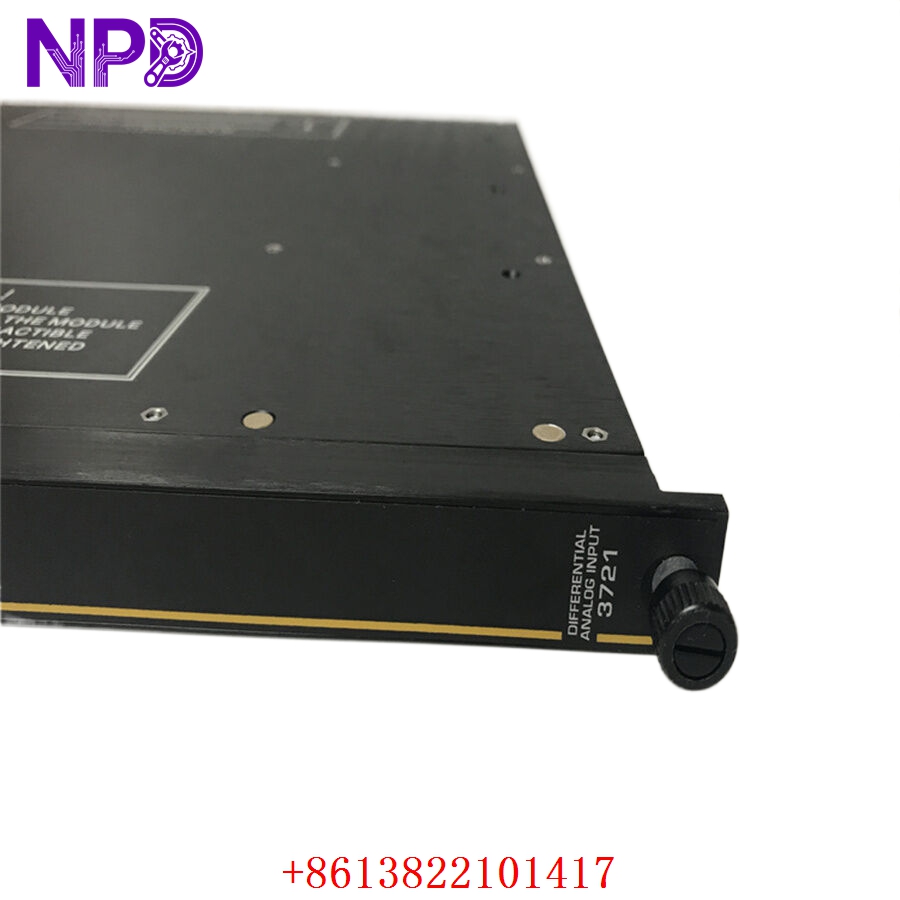
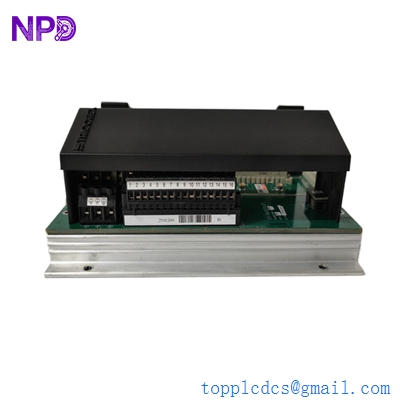
TRICONEX 3721
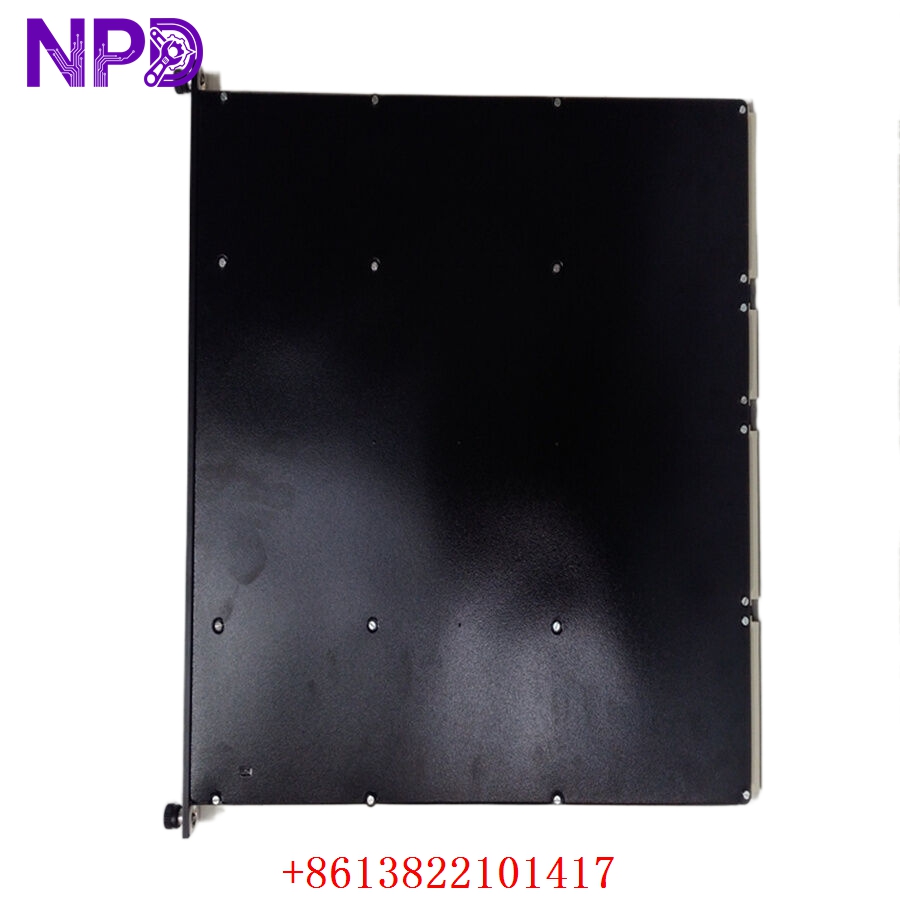
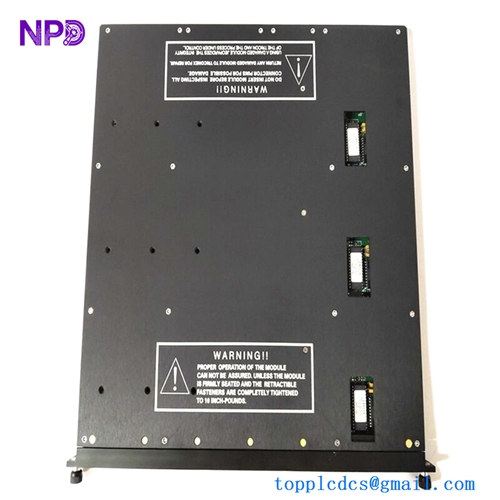
TRICONEX 3721
Installation & Configuration Guide
Phase 1: Pre-Installation (Estimated time: 15 minutes)
⚠️ Safety Protocol:
- This module is part of a Safety Instrumented System (SIS). Never replace a module without a formal Permit to Work (PTW).
- Ensure the system is in a “Maintenance” or “Bypass” state for the specific loops connected to this module to prevent an accidental ESD (Emergency Shutdown).
- Confirm that the hardware revision and firmware version match the system configuration in TriStation 1131.
Phase 2: Removal (Estimated time: 5 minutes)
- Check Hot-Swap Status: The Triconex 3721 is hot-swappable. However, I always recommend checking if the “Active” LED on the redundant partner module is solid green before pulling the faulty one.
- Unlock: Use the specialized Triconex module key or screwdriver to unlock the top and bottom fasteners.
- Extraction: Firmly grasp the handle and pull the module straight out of the chassis. Avoid touching the gold pins on the backplane connector.
Phase 3: Configuration & Insertion (Estimated time: 10 minutes)
- Inspection: Check the new 3721 for any physical damage or bent pins.
- Address/Keys: Triconex modules are typically keyed by the slot. Ensure the new module is being inserted into the correct Slot ID as defined in your project.
- Insertion: Align the module with the chassis guides and push it in until it seats firmly. You should hear the backplane connectors engage.
- Locking: Secure the top and bottom fasteners to ensure proper grounding and vibration resistance.
Phase 4: Commissioning (Estimated time: 20 minutes)
- LED Verification:
- PASS (Green): Module has passed internal self-tests.
- ACTIVE (Yellow): Module is currently processing I/O.
- FAULT (Red): If this stays on, check the TriStation diagnostic logger.
- Synchronizing: The Triconex system will automatically begin voting and synchronizing the new module with its partners.
- Loop Check: Verify the analog readings in TriStation. Compare the field values (0-5V) with the digital representation to ensure the calibration is within specs.
Customer Cases & Industry Applications
Case 1: LNG Terminal Emergency Shutdown (ESD) Restoration
Situation: A major LNG export terminal in Qatar had an “I/O Fault” on a Triconex 3721 module monitoring gas detectors in the storage tank area. Task: Because this was a safety-critical loop, the facility was operating under a strict 24-hour repair window before a mandatory partial shutdown. Action: We supplied a New Surplus 3721 within 48 hours. I coordinated with their lead safety engineer to provide the exact serial numbers so they could pre-approve the hardware in their change management system. Result: The module was swapped during a scheduled maintenance window. The TMR architecture allowed for a seamless transition without tripping the plant, saving millions in potential lost production.
Case 2: Ethylene Plant SIL-3 Compliance Maintenance
Situation: During a functional safety audit, an ethylene plant in Texas found that several 3721 modules were nearing their predicted end-of-life (MTBF) and showing signs of thermal stress. Task: The plant needed to replace these modules with “New Surplus” units to maintain their SIL-3 (Safety Integrity Level) rating. Action: We provided three 3721 modules from a climate-controlled warehouse. Unlike “used” modules from scrapped plants, our units showed zero signs of oxidation on the backplane connectors. Result: The plant successfully passed their safety audit. The maintenance lead noted that the “New Surplus” units provided the same reliability as factory-new parts at a significantly lower cost and lead time.
Frequently Asked Questions (FAQ)
Q: Can I use the 3721 to replace a 3700 or 3701 module? A: No. While they are all Analog Input modules, the 3721 specifically handles 0-5 VDC differential signals. The 3700 is for 0-5 VDC single-ended, and the 3701 is for 0-10 VDC. Mixing these up will result in incorrect readings and potential system faults.
Q: Is “New Surplus” safe for an SIS (Safety Instrumented System)? A: Honestly, this is the most common question I get. “New Surplus” refers to modules that were purchased for projects but never commissioned. They are original Triconex hardware. For SIS applications, we provide the serial numbers so you can verify the manufacturing batch. It is far safer than using “repaired” modules, which we never recommend for safety systems.
Q: Why is my “FAULT” LED red after I plugged it in? A: Don’t panic yet. On a Triconex system, a Fault LED can trigger if the module’s firmware is incompatible with the Main Processor (MP) or if the field wiring is open-circuit. Open your TriStation 1131 Diagnostic Monitor; it will tell you exactly which “Leg” (A, B, or C) is unhappy.
Q: Does the 3721 require periodic calibration? A: The 3721 features self-calibration and continuous diagnostics. However, most safety-critical plants perform a “Proof Test” every 1-2 years where they inject a known voltage (1V, 3V, 5V) to verify the end-to-end accuracy of the loop.
Q: Can you ship with a Certificate of Conformance (CoC)? A: We provide our own internal inspection report and guarantee of authenticity. Since these are surplus units, we cannot provide a “fresh” CoC from Schneider Electric, but we can provide the original labels and serial numbers for your internal traceability.