
Description
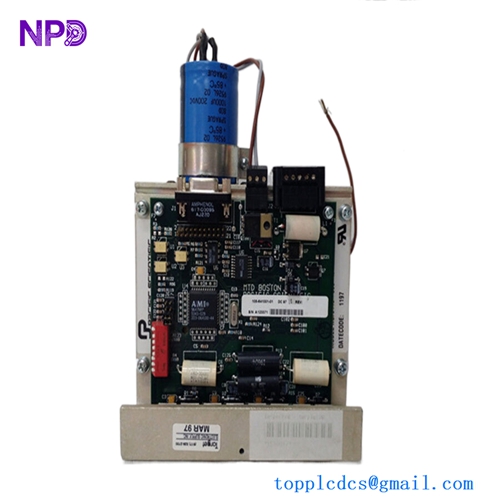
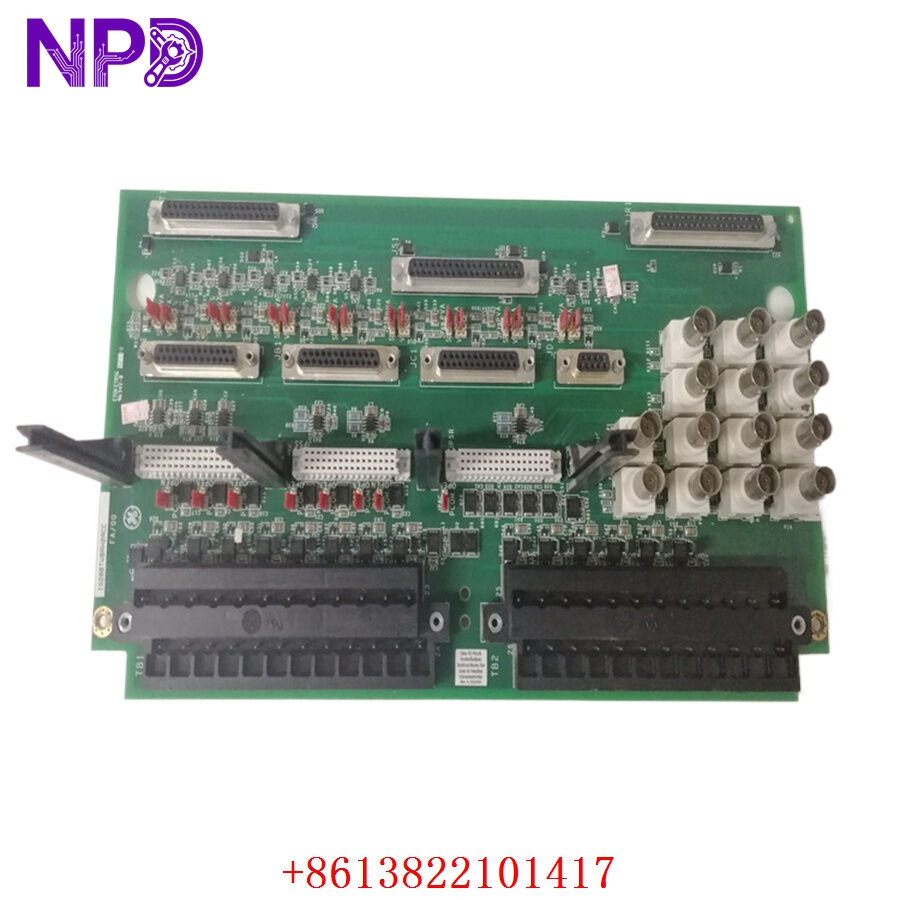
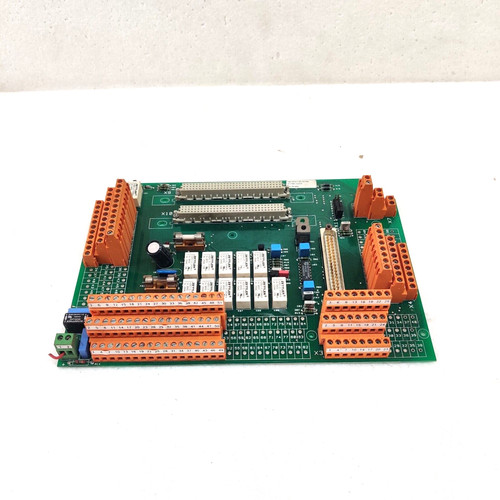
The Ulstein Tenfjord 5880-PC1011 (DC1300) is a dedicated Steering Control PCB utilized in the steering gear systems manufactured by Ulstein Tenfjord (now integrated into the Rolls-Royce/Kongsberg Maritime group). This board acts as the primary control logic for the hydraulic steering gear, interpreting signals from the bridge steering wheel (or autopilot) and controlling the hydraulic solenoid valves that actuate the rudder.
This module is designed to handle high-precision positioning of the rudder, ensuring the vessel maintains a steady course by managing the stroke and angle of the steering rams.
Key Technical Specifications
| Parameter | Value/Description |
| Model | DC1300 |
| Part Number | 5880-PC1011 |
| Revision | 15.03.05 |
| Component Type | Steering Control/Positioning Logic Card |
| System Compatibility | Ulstein Tenfjord Steering Gear Systems |
| Function | Rudder angle control, PID steering logic, solenoid driver |
| Input Signal | Feedback from rudder angle transmitters (Potentiometers/RVDTs) |
| Output | Control currents for hydraulic steering actuators |
| Environment | Marine-grade (vibration, heat, and humidity resistant) |
Maintenance & Technical Notes
- Revision Sensitivity: The revision 15.03.05 is critical. Because steering control involves safety-of-life and vessel maneuverability, these boards are often “tuned” to the specific hydraulic actuator geometry of your steering gear. Replacing an older board with a newer revision may require a recalibration of the Rudder Angle Limiters and PID Gain settings.
- Edge Connectors: In steering gear rooms, humidity and salinity can lead to oxidation on the PCB edge connectors. If you are experiencing “erratic rudder movement” or “flickering rudder angle indicators,” check for corrosion on these gold-plated contacts before diagnosing the board as failed.
- Safety Interlocks: This module typically interfaces with the “Steering Gear Emergency Stop” and “Follow-up/Non-Follow-up” selector switches. Ensure that your maintenance procedure includes a Full Rudder Hard-over to Hard-over test after the board is replaced.
Important Technical Note: The DC1300 requires a calibrated feedback loop. If the Rudder Angle Transmitter (RDT/Potentiometer) is drifting, the control card will try to “hunt” for the position, potentially causing the steering motor to run continuously or the hydraulic pump to overheat. Always verify the health of your physical rudder angle feedback sensors before assuming the logic card is faulty.