Description
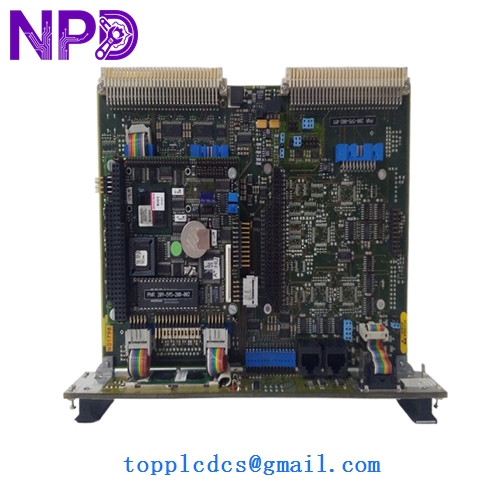
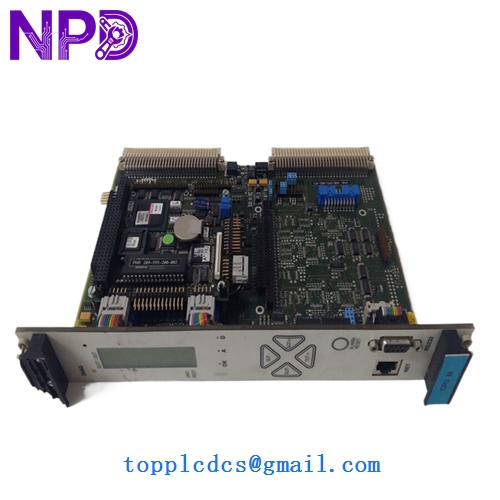
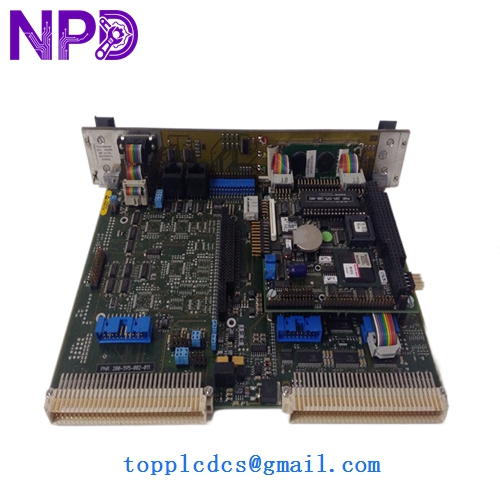
- Model: 200-595-002-011 (MPC4)
- Brand: Vibro-Meter (Meggitt / Energy & Equipment)
- Series: VM600 Series Machinery Protection System
- Core Function: Machinery protection and condition monitoring (Vibration, Speed, Dynamic Pressure).
- Product Type: MPC4 Machinery Protection Card
- Key Specs: 4 Dynamic Channels | 2 Speed (Tacho) Channels | VME-based
- Dynamic Inputs: 4 channels (Vibration, Pressure, etc.)
- Speed Inputs: 2 channels (Tachometer/Phase Reference)
- Signal Processing: Dual-core processing for real-time protection (Relay triggering)
- A/D Conversion: 16-bit resolution
- Frequency Range: 0.1 Hz to 20 kHz (Application dependent)
- Interface: VM600 Rack (VME bus)
- Configuration Software: MPS1 Software (or VibroSight)
- Outputs: Buffered raw signals via IOC4T card (Rear)
- Relay Logic: Configurable “And/Or” logic for machine trip/alarm
- Operating Temperature: -25 °C to +65 °C
Application Scenarios & Pain Points
The 200-595-002-011 MPC4 card is the “brain” of the VM600 rack. While many systems focus on just recording data, the MPC4 is a protection card, meaning it is legally and operationally responsible for shutting down massive turbines if vibration limits are exceeded. In the power gen and hydro world, Vibro-Meter is often the preferred choice for its extreme reliability in harsh EMI environments.
Typical Application Scenarios:
- Hydroelectric Power Plants Monitoring shaft vibration and air-gap in large hydro-turbines. The MPC4 handles the low-frequency signals typical of these massive, slow-rotating machines.
- Gas & Steam Turbines Providing critical SIL-rated protection against catastrophic bearing failure or blade rubbing.
- Heavy Industrial Pumps/Fans Used in large-scale cooling towers or refineries where the VM600 system centralizes monitoring for multiple high-value assets.
Engineering Case Study: The “Silent” Bearing Failure
Background: A combined-cycle power plant used the VM600 system to monitor its main boiler feed pumps. One of the 200-595-002-011 cards began showing “Self-Test Fail” intermittently during peak summer operation.
The Problem: The plant chose to ignore the intermittent error because the “OK” light was still green most of the time. However, during a transient load change, the card’s internal processor froze. The pump began to cavitate, but since the MPC4 was non-functional, no alarm was triggered.
The Solution: After a near-miss, the plant manager ordered a replacement 200-595-002-011 from our stock. We provided a card with the latest firmware revision to ensure better stability during high-ambient temperature peaks.
Result: The new card was installed and configured within an hour. The plant also implemented a “Danger Relay” latching logic facilitated by the MPC4’s advanced configuration, ensuring that any future hardware faults would safely alert the DCS.
Compatible Replacement Models
| Original Model | Replacement Model | Compatibility | Key Differences | Change Impact |
|---|---|---|---|---|
| 200-595-002-011 | 200-595-002-111 | ✅ Direct | Version for specialized environments | Drop-in replacement |
| 200-595-002-011 | MPC4Mk2 | ⚠️ Software | Next-generation hardware | Requires VibroSight software |
| 200-595-002-011 | 200-595-002-012 | ✅ Direct | Manufacturing revision | Fully interchangeable |
Troubleshooting Quick Reference
| Symptom | Possible Cause | Relation to MPC4 | Quick Check | Action |
|---|---|---|---|---|
| DIAG LED (Red) | Internal CPU fault | ✅ High | Check the error log via MPS1 software. | Replace card if RAM test fails. |
| “OK” LED Off | Sensor/Cable Fault | ⚠️ Medium | Check bias voltage of the sensor. | Verify transducer/wiring first. |
| No Speed Reading | Tacho Signal Threshold | ⚠️ Medium | Adjust “Trigger Level” in config. | Check proximity probe gap. |
| VME Bus Error | Backplane Pin damage | ✅ High | Inspect the rear 96-pin connector. | Clean pins or check rack slots. |
Engineer’s Pro-Tip: “When you’re swapping an 200-595-002-011, remember that the configuration isn’t stored on the card itself, but in the rack’s CPUM module or your software project. However, the firmware version on the MPC4 must match the other cards in the rack for the VME bus to remain stable. If you’re mixing old ‘011’ cards with newer revisions, you might see intermittent communication timeouts. I always suggest doing a firmware ‘leveling’ across the rack when you replace a major card like the MPC4. Also, check your IOC4T card in the back—if the MPC4 blew, sometimes the surge took out the input protection on the rear card too.”
Do you need the specific jumper settings for the MPC4 internal hardware configuration? I can pull the factory manual for this specific 200-595 sub-code—just let me know.