
Description
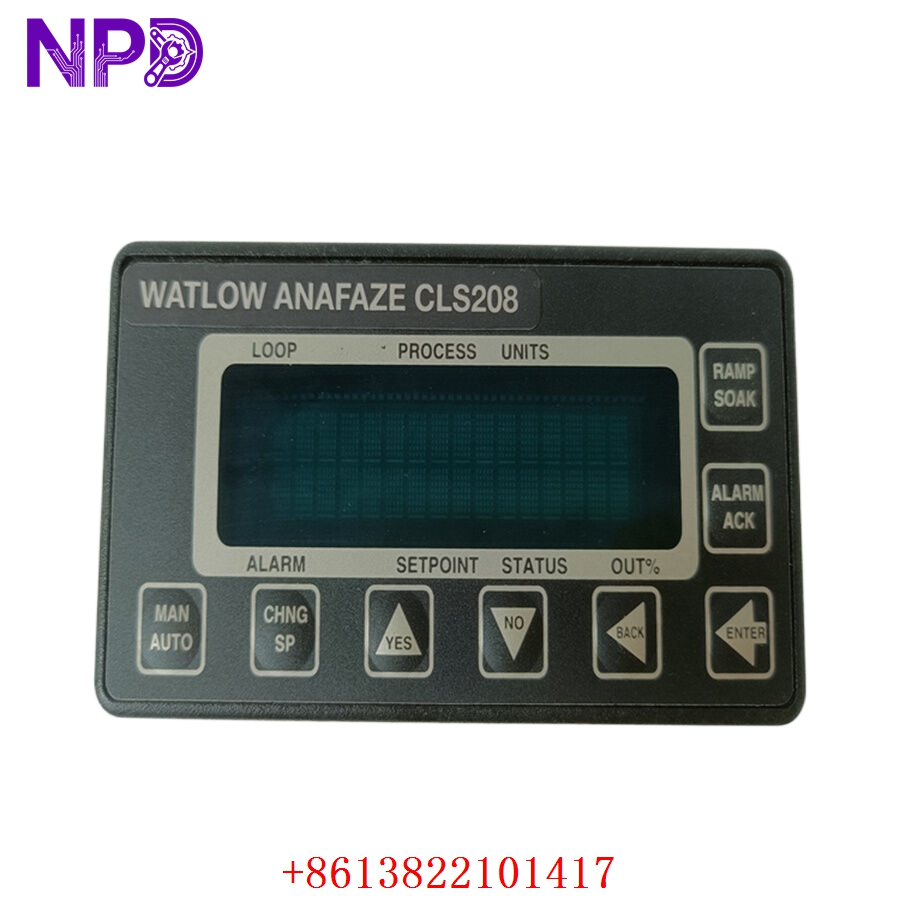
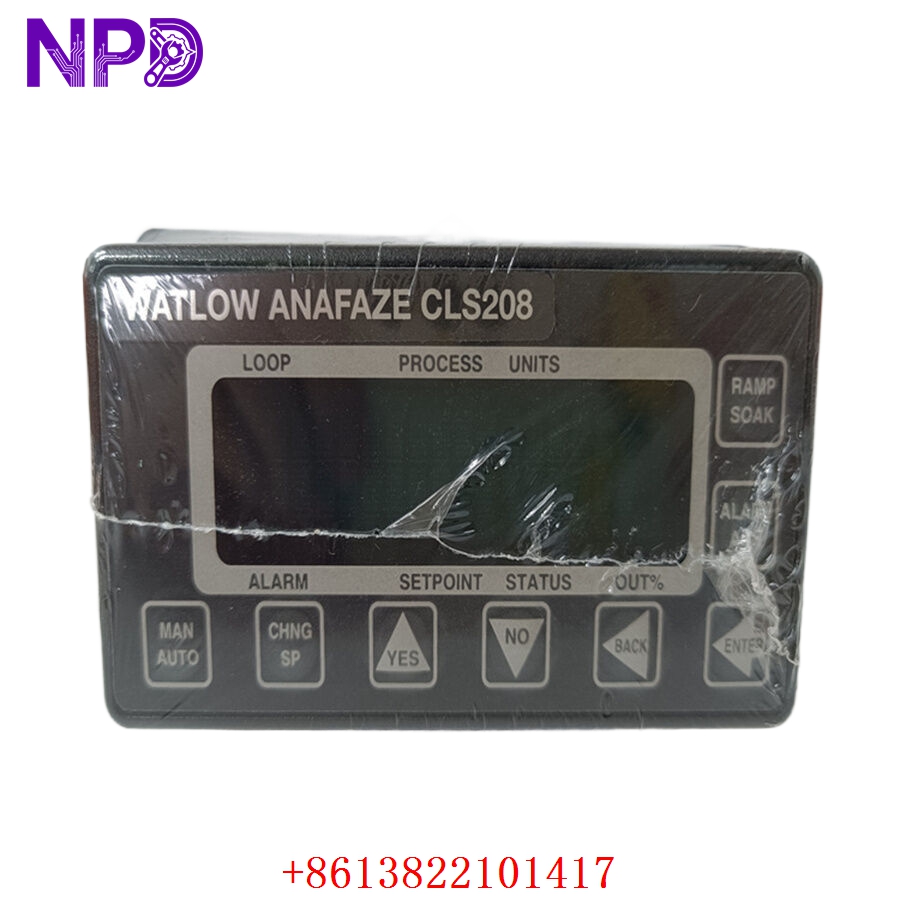
The Watlow CLS208 is a high-reliability industrial limit controller designed to provide a critical safety layer in thermal processing applications. Serving as a redundant “watchdog,” this device is engineered to monitor process temperatures independently of the main control system. If a temperature threshold is exceeded, the CLS208 triggers a safety shutdown to prevent damage to equipment, materials, or the environment.
Technical Specifications
| Parameter | Detail |
| Model | CLS208 |
| Manufacturer | Watlow |
| Device Type | Digital Limit Controller |
| Control Input | Universal (Thermocouple, RTD, Process) |
| Output Type | Electromechanical Relay or Form C Contact |
| Mounting | 1/8 DIN Panel Mount |
| Operating Temperature | 0°C to 65°C |
| Agency Approvals | UL, CSA, CE |
Fields of Application
The CLS208 is widely deployed in industrial environments where over-temperature protection is mandatory. Typical applications include:
- Industrial Ovens and Furnaces: Protecting batch processes from thermal runaway.
- Plastic Processing: Safeguarding extrusion and injection molding machines.
- Packaging Equipment: Ensuring heat sealers remain within safe operational limits.
- Environmental Chambers: Monitoring high-temperature stress testing processes.
Product Introduction
Safety is the core function of the CLS208. Unlike a standard process controller that modulates temperature, the CLS208 is strictly a safety device. It utilizes a high-visibility LED display to show current process values and setpoints. Should the input signal deviate beyond the programmed safety limit, the unit immediately opens a mechanical relay contact, which typically breaks the power circuit to the heating elements, ensuring a failsafe shutdown of the process.
Product Use Instructions
To implement the CLS208 safety system:
- Mount the controller in a 1/8 DIN panel cutout.
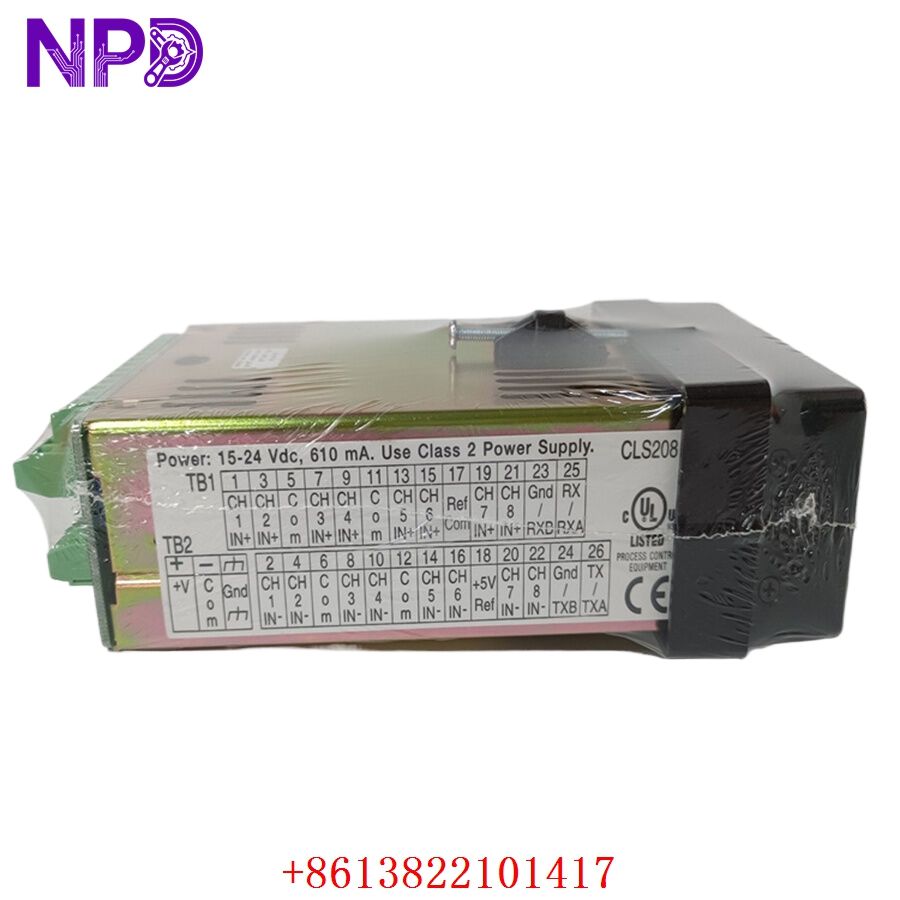
- Connect your temperature sensor (e.g., Type J/K thermocouple or RTD) to the designated input terminals.
- Wire the limit relay contact in series with the main contactor coil or power control device of the heating elements.
- Configure the “Limit Setpoint” through the front keypad to a value slightly above your normal operating temperature but below the equipment’s maximum safe limit.
- Perform a manual “Latch” test to ensure the unit triggers the relay when the threshold is reached.
Product Use Precautions
The CLS208 should be installed as an independent safety device; never share the temperature sensor input with the primary process controller, as this would violate safety redundancy principles. Periodically check the mechanical relay for signs of wear (e.g., sticking) if the process frequently cycles the limit switch. Ensure the ambient temperature of the controller enclosure does not exceed 65°C, as extreme heat can degrade the internal logic components.
Frequently Asked Questions (Q&A)
Q: What is the difference between a high-limit and low-limit controller?
A: A high-limit controller shuts down the system when the process is too hot (over-temperature), while a low-limit controller shuts down the system if the process drops below a safe temperature, preventing potential freezing or process stagnation.
Q: Is the CLS208 a manual or automatic reset device?
A: It is typically designed for manual reset. Once the process hits the limit and trips, the user must physically press the button on the front of the unit once the process has cooled down to safe levels.
Q: How often should I calibrate the limit controller?
A: It is recommended to verify the calibration of the input signal at least once per year or following any significant thermal event to ensure the safety limit remains accurate.
Product Operation Methods
Operation of the CLS208 is designed to be straightforward. During normal operation, the screen displays the current process value. When the temperature remains below the limit setpoint, the internal relay remains energized (closed). If the process value exceeds the limit setpoint, the relay de-energizes (opens), and the unit enters a “Limit State,” displaying an error message on the screen. The system will not restart until the temperature returns to a safe range and the operator performs a manual reset.