
Description
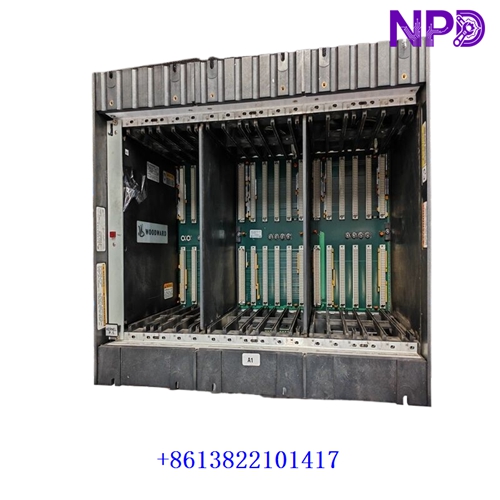
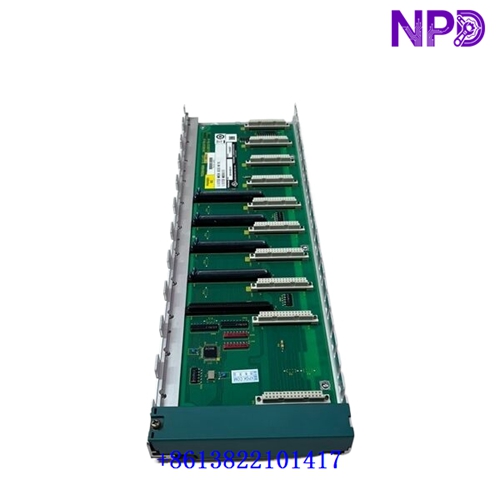
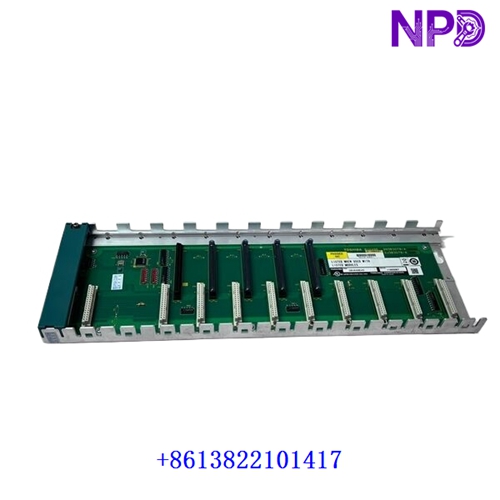
The following parameters outline the core technical specifications and physical characteristics of the Woodward MicroNet TMR chassis component, designed for high-reliability industrial turbine control and automation applications.
- 1. Brand: Woodward
- 2. Model: 5453-279
- 3. Series: MicroNet TMR (Triple Modular Redundant) Platform
- 4. Product Name: 12-Slot Chassis Rack / Main Chassis
- 5. Place of Origin: United States (USA)
- 6. Physical Status: Industrial Automation Hardware Component
- 7. Dimensions: Approx. 19 cm × 12 cm × 13.5 cm
- 8. Weight: 0.90 kg
- 9. Original Region: United States Manufacturing Hub
- 10. Power Rating: Incorporates dedicated slots for compatible kernel power supply modules matching processor requirements
Initial Operation Checklist
- 🔹 Inspect the structural frame, backplane pins, and packaging for any transit-related damage or environmental exposure prior to installation.
- 🔹 Verify that part number
5453-279matches your system architecture drawings and rack layout configuration requirements. - 🔹 Ensure that all cabinet power supply feeds are fully de-energized and locked out/tagged out before handling internal chassis components.
- 🔹 Check slot guide rails and backplane connector pins for cleanliness, proper alignment, and the absence of foreign material or oxidation.
- 🔹 Confirm solid grounding continuity between the chassis frame and the main industrial control cabinet ground bus.
Daily Maintenance & Servicing
- 🔸 Monitor operating ambient temperatures continuously, ensuring environment conditions remain within standard thresholds to prevent thermal trips.
- 🔸 Inspect cooling fans and ventilation blocks regularly to ensure proper airflow across every installed module slot.
- 🔸 Perform periodic visual checks on mounting hardware and module retention mechanisms to protect against loosening caused by plant vibration.
- 🔸 Verify that unused slots are covered with appropriate module blanks to maintain correct forced-air cooling distribution.
Troubleshooting & Common Issues
- 🔻 Symptom: Installed modules fail to power on or backplane communication is lost.
Action: Verify that kernel power supply units are securely seated, check input power rails using a calibrated multimeter, and inspect backplane pins for damage.
- 🔻 Symptom: Over-temperature warning or thermal shutdown triggered during operation.
Action: Inspect internal cooling fan blocks, clear any dust accumulation from ventilation paths, and check cabinet environment controls.
- 🔻 Symptom: Intermittent module rack recognition or synchronization faults.
Action: Power down the system, unseat and re-seat the affected modules to clear contact oxidation, and verify firm mechanical latching.
Safety Precautions
- ⚠️ Only certified automation and electrical technicians familiar with Woodward turbine control and TMR hardware should perform installation and servicing tasks.
- ⚠️ Observe strict electrostatic discharge (ESD) prevention protocols, including the mandatory use of grounded wrist straps when handling cards or backplanes.
- ⚠️ Never insert or remove active system modules from an energized chassis unless hot-swap procedures are explicitly supported by the specific configuration.
Frequently Asked Questions (Q&A)
- Q1: What is the primary function of the Woodward 5453-279 unit?
A1: It serves as a 12-slot Triple Modular Redundant (TMR) chassis designed to act as a central hub for CPUs, kernel power supplies, and I/O modules in industrial control systems.
- Q2: Which processor types are compatible with this chassis?
A2: It supports configurations utilizing either TMR5200 processors (enabling I/O sharing via RTN networks) or TMR040 processors (utilizing transceivers and cables for dedicated I/O connections).
- Q3: What immediate action should be taken if a module fails to seat correctly?
A3: Inspect the slot guide rails and backplane connectors for structural warping or bent pins, and ensure proper alignment before applying insertion force.