
Description
Product Core Brief
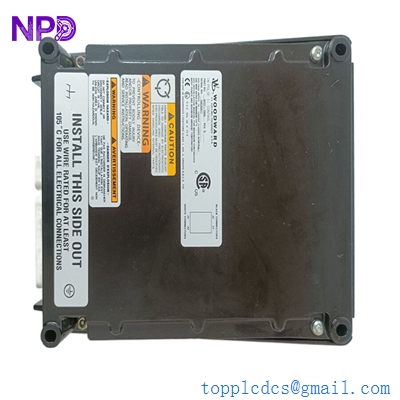
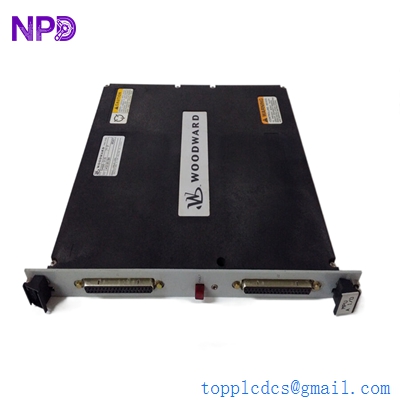
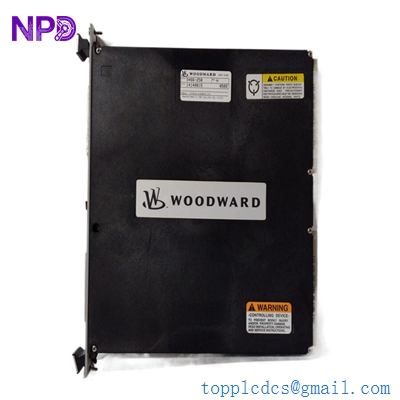
- Model: WOODWARD 5466-258
- Brand: Woodward
- Series: Woodward Digital Control / Turbine Control Platform
- Core Function: Processes speed, load, and protection signals in turbine control systems
- Type: Control / I/O Interface Module
- Key Specs: 24 V DC supply High-speed discrete I/O Turbine governor integration
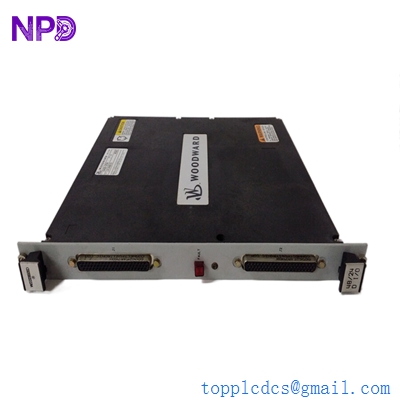
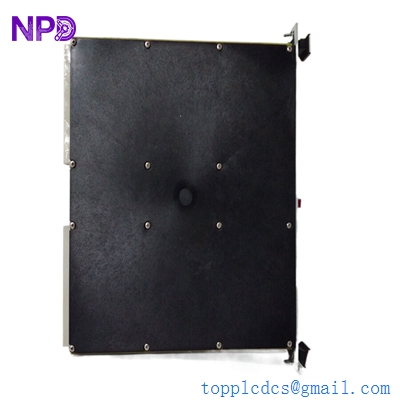
WOODWARD 5466-258
Key Technical Specifications
- Input Voltage: 24 V DC (±10%)
- Power Consumption: <15 W
- I/O Type: Discrete and control signals for turbine systems
- Response Time: <10 ms signal processing
- Communication Interface: Proprietary Woodward control bus
- Operating Temperature: -40 °C to +70 °C
- Storage Temperature: -40 °C to +85 °C
- Mounting: Control cabinet / rack-mounted
- Isolation Rating: Control-grade electrical isolation
- MTBF: >50,000 hours (typical field expectation)
Installation & Configuration Guide
Phase 1: Pre-Installation (≈10 minutes)
⚠️ Safety first
- Coordinate downtime with operations and switch the turbine to a safe state.
- Disconnect control power, including any UPS feeds.
- Wait at least 5 minutes for internal capacitors to discharge.
Tools & prep:
- ESD wrist strap and mat
- PH1 screwdriver
- Multimeter (24 V DC verification)
- Labels and marker
- Phone or camera for configuration photos
Backup steps:
- Save the current control configuration from the governor system.
- Photograph wiring, terminal numbers, and module slot position.
Frequently Asked Questions (FAQ)
Q1: Is this module still in production?
A: No. The 5466-258 is obsolete. That said, it’s still widely used, and new surplus inventory exists. From an inventory standpoint, this is exactly the kind of part worth controlled hoarding before availability dries up.
Q2: How many units should we stock?
A: For critical turbine control spares, I usually recommend 1–2 units on-site. Think of it as buffer stock, not excess inventory. The carrying cost is tiny compared to a forced turbine shutdown.
Q3: Can this be hot-swapped?
A: No. Power must be removed before replacement. Hot swapping risks backplane damage and unpredictable control behavior.
Q4: Is this a refurbished part?
A: No. This is original new surplus, not used and not refurbished. It shows no connector wear, no rework marks, and passes full functional testing before shipment.
Q5: What’s the risk of waiting to buy later?
A: Price creep and scarcity. In my experience, obsolete Woodward control modules tend to rise 30–60% once market inventory thins. Waiting usually doesn’t save money.
Q6: Are there replacement models available?
A: There are newer Woodward platforms, but they are not plug-and-play. Migration typically means engineering time, testing, and downtime. If your system runs less than another five years, stocking this module is usually the lower total cost of ownership.
Q7: How do you ensure quality before shipment?
A: Each unit goes through inbound inspection, live functional testing on a Woodward-compatible test rack, electrical parameter checks, firmware verification, and final QC packaging. We can provide photos or test records on request—no black boxes.
Customer Cases & Industry Applications
Case 1: Gas Turbine Trip Avoided in a Peaking Power Plant
Situation:
A regional peaking plant running a Woodward-controlled gas turbine had been online for over 10 years. One 5466-series module began showing intermittent signal dropouts.
Task:
Any unplanned outage during peak demand would trigger penalty charges and lost revenue.
Action:
The maintenance team sourced a WOODWARD 5466-258 from existing inventory and replaced it during a planned 2-hour window.
Result:
- No forced outage
- Zero revenue loss
- The plant added one extra unit as buffer stock afterward, treating it as an insurance policy.
Case 2: Lifecycle Extension at an Industrial Cogeneration Plant
Situation:
A chemical plant relied on an older Woodward turbine control platform scheduled to run until 2029.
Task:
OEM support had ended, and management wanted to avoid a full control retrofit.
Action:
We recommended a last-time-buy strategy: two units of 5466-258 stored on-site under controlled conditions.
Result:
- Capital spend stayed below $20,000
- Retrofit deferred by at least five years
- Carrying cost was minimal compared to upgrade CAPEX
Case 3: Cross-Site Inventory Sharing in Utilities
Situation:
A utility operator ran three similar turbine units across different locations.
Task:
Stock-outs at one site caused emergency air freight from overseas.
Action:
They consolidated spare parts centrally and shared 5466-258 modules between sites.
Result:
- Inventory turnover improved
- Emergency logistics costs dropped noticeably
- Fewer stock-out incidents year over year