
Description
Product Core Brief
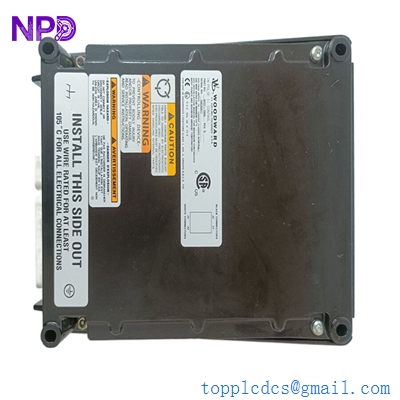
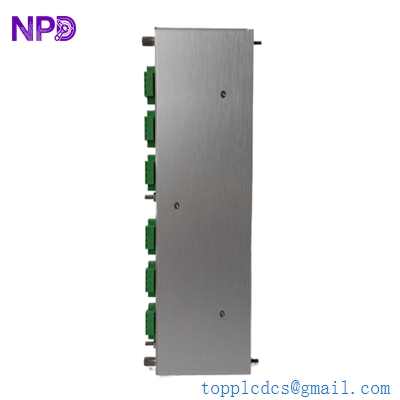
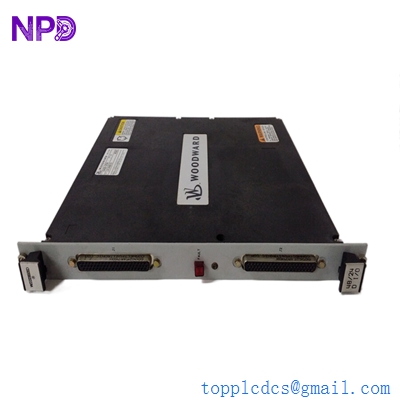
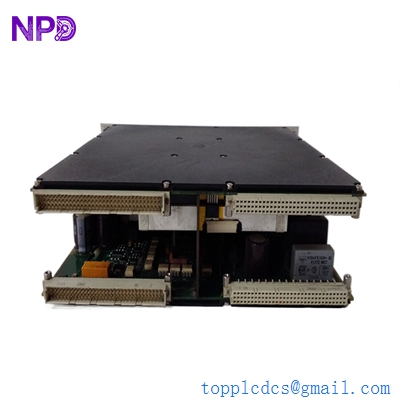
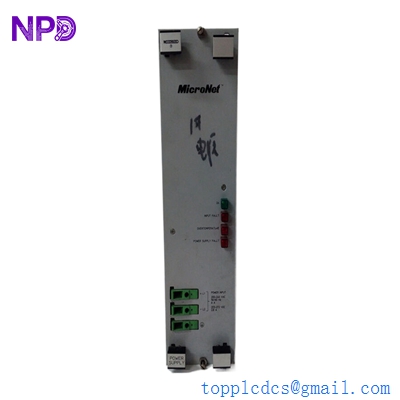
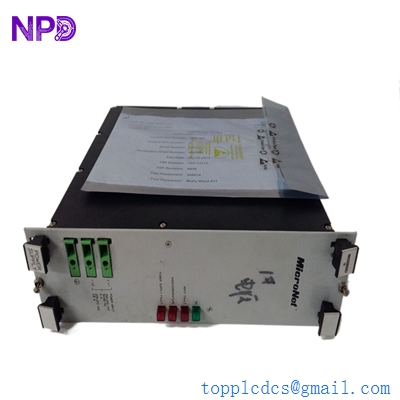
- Model: WOODWARD 5501-467
- Brand: Woodward
- Series: 5501 Digital Speed & Load Control Series
- Core Function: Controls turbine or engine speed and generator load
- Type: Speed and Load Control Module
- Key Specs: 24 V DC supply Analog + discrete I/O Isochronous and droop modes
WOODWARD 5501-467
Key Technical Specifications
- Input Voltage: 24 V DC (18–32 V DC operating range)
- Power Consumption: Approx. 15 W at nominal load
- Speed Sensing: Magnetic pickup (MPU), 1–30 Vrms
- Control Modes: Isochronous, droop, base load, and load sharing
- Analog Inputs: 4 channels, 4–20 mA or 0–5 V (configurable)
- Analog Outputs: 2 channels, 4–20 mA for actuator control
- Discrete Inputs: 8 opto-isolated digital inputs
- Discrete Outputs: 6 relay outputs (Form A)
- Communication Interface: RS-232 / RS-485 (Woodward service protocol)
- Operating Temperature: –20 °C to +60 °C
- Mounting: Panel-mounted, rear terminal wiring
Application Scenarios & Pain Points
In turbine and engine-driven generator systems, speed and load control sit right at the heart of stable operation. When a controller like this drops offline, you’re not just losing regulation—you’re risking trips, load swings, and unhappy operators calling you at 3 a.m. The real headache? Original replacements often come with long lead times, especially for discontinued models.
Typical application scenarios:
- Power Generation – Steam or Gas Turbines
Maintains stable generator speed and load sharing in island or parallel operation. - Oil & Gas – Compressor and Pump Drives
Regulates prime mover speed under varying process loads, where droop control matters. - Marine Systems – Auxiliary Generators
Supports parallel generator operation with predictable load response. - Industrial Plants – Captive Power Units
Keeps on-site generation synchronized with plant demand and grid conditions. - Retrofit Projects – Legacy Control Panels
Direct replacement in older Woodward-based panels without full redesign.
A real-world style case, straight from the field:
A regional power plant running a small steam turbine had a sudden speed instability issue during load changes. The culprit turned out to be an aging controller of the same series. The OEM quoted a replacement timeline measured in months. By sourcing a tested 5501-467 from inventory, the maintenance team swapped the unit during a scheduled outage. No cabinet changes, no rewiring surprises. The unit came back online the same day, and operators reported stable load response immediately. Sometimes, boring compatibility is exactly what you want.
Application Scenarios & Pain Points
In turbine and engine-driven generator systems, speed and load control sit right at the heart of stable operation. When a controller like this drops offline, you’re not just losing regulation—you’re risking trips, load swings, and unhappy operators calling you at 3 a.m. The real headache? Original replacements often come with long lead times, especially for discontinued models.
Typical application scenarios:
- Power Generation – Steam or Gas Turbines
Maintains stable generator speed and load sharing in island or parallel operation. - Oil & Gas – Compressor and Pump Drives
Regulates prime mover speed under varying process loads, where droop control matters. - Marine Systems – Auxiliary Generators
Supports parallel generator operation with predictable load response. - Industrial Plants – Captive Power Units
Keeps on-site generation synchronized with plant demand and grid conditions. - Retrofit Projects – Legacy Control Panels
Direct replacement in older Woodward-based panels without full redesign.
A real-world style case, straight from the field:
A regional power plant running a small steam turbine had a sudden speed instability issue during load changes. The culprit turned out to be an aging controller of the same series. The OEM quoted a replacement timeline measured in months. By sourcing a tested 5501-467 from inventory, the maintenance team swapped the unit during a scheduled outage. No cabinet changes, no rewiring surprises. The unit came back online the same day, and operators reported stable load response immediately. Sometimes, boring compatibility is exactly what you want.
Quality Control & Testing Transparency (How We Handle Inventory Units)
Before shipment, each unit goes through a structured process—no shortcuts.
- Incoming Inspection
Serial number verification, visual checks for corrosion, scratches, or repair marks, and accessory confirmation. - Live Functional Test
Mounted on a dedicated test rack with a Woodward-compatible simulator. Power-up checks, communication handshake, full-range I/O simulation, and a continuous 24-hour run with temperature monitoring. - Electrical Parameter Tests
Insulation resistance measured at 500 V (>10 MΩ), grounding continuity verified. - Firmware Verification
Firmware version read and recorded. Configuration backups saved. DIP switch positions photographed. - Final QC and Packing
Anti-static bag, shock protection, labeled QC pass with date. Test photos and reports available on request.
No promises of perfection—just evidence that the unit works as intended.
Veteran’s Integration Pitfalls (Read This Before Swapping)
❗ Firmware mismatch
I’ve seen a controller refuse to share load because firmware jumped from V2.8 to V3.1. Always record the old version first.
❗ DIP switch errors
This is the classic mistake. Take photos before removal. Copy settings exactly. Especially droop and address switches.
❗ Wiring assumptions
Similar-looking terminals don’t guarantee identical pinouts. Check the wiring diagram, every time.
❗ Power margin
If the control panel power supply is already near its limit, a replacement with slightly higher draw can cause brownouts.
❗ ESD damage
No wrist strap? I’ve watched a perfectly good controller die the moment power came on. Painful lesson.