
Description
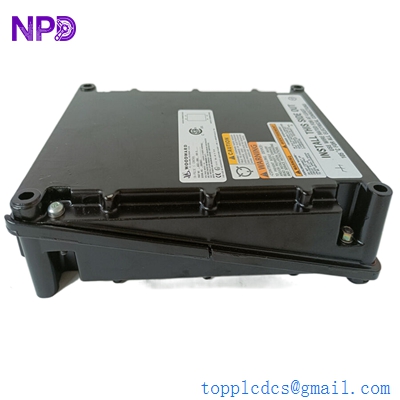
- Model: Woodward 8237-1006 (2301E)
- Brand: Woodward (USA)
- Series: 2301E Digital Load Sharing and Speed Control
- Core Function: Electronic speed control and load sharing for engines/turbines
- Product Type: Digital Control Module
- Key Specs: 18–40 VDC Input 4–20 mA I/O RS-232/RS-485 Config Port
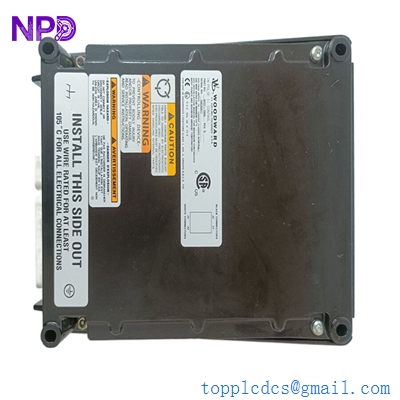
WOODWARD 8237-1006
Key Technical Specifications
- Input Power: 18–40 VDC (24 VDC nominal)
- Power Consumption: 15 W maximum
- Magnetic Pickup Input: 100–25,000 Hz
- Config Port: RS-232 / RS-485 (Modbus RTU support)
- Analog Inputs: 4–20 mA, 0–5 VDC, or ±1 VDC options
- Discrete Inputs: 8 Configurable switch inputs
- Discrete Outputs: 4 Configurable relay outputs (Rating: 2 A at 28 VDC)
- Operating Temperature: -40 °C to +70 °C
- Humidity: 95% non-condensing at +60 °C
- Enclosure Rating: IP20
Application Scenarios & Pain Points
In my years of commissioning power plants, I’ve seen how a single failed load sharing module can throw an entire microgrid into chaos. When the master controller fails to balance the kW load between generators, you risk “reverse power” trips or total blackout. The Woodward 8237-1006 is the digital successor to the old analog 2301A series, designed specifically to bring precise digital stability to systems that can’t afford a flicker in power.
Typical Application Scenarios:
- Marine Power Management Used on cargo ships to synchronize multiple diesel generators. It ensures that when a heavy winch starts up, the load is distributed evenly across the bus, preventing engine stalls.
- Emergency Standby Power (Hospitals/Data Centers) In these environments, the 2301E manages “dead bus” closing and rapid synchronization. It has to work the first time, every time, when the mains go down.
- Oil & Gas Offshore Platforms Controls gas turbines or reciprocating engines in harsh, high-vibration environments where analog components often drift over time.
- Industrial Co-generation Manages the parallel operation of local generation with the utility grid, handling base loading and peak shaving applications.
Case Study: The “Drifting” Analog Replacement
Background: A remote mining site in Western Australia was using legacy 2301A analog controls. They noticed the #2 generator was consistently taking more load than #1, causing heat issues.
The Problem: After 15 years, the potentiometers on the analog boards had drifted due to vibration and heat. Adjusting them was a “dark art” that the onsite techs couldn’t master, and the parts were increasingly hard to find.
The Solution: We swapped the failing units for the digital 8237-1006. Using the Woodward Watch Window software, we cloned the configuration for all four gensets. This eliminated manual “tweaking” and allowed the team to monitor performance via Modbus on their SCADA system.
Result: Load sharing accuracy improved from ±5% to ±0.5%. The site now has a repeatable, digital configuration file they can load into any spare unit in minutes.
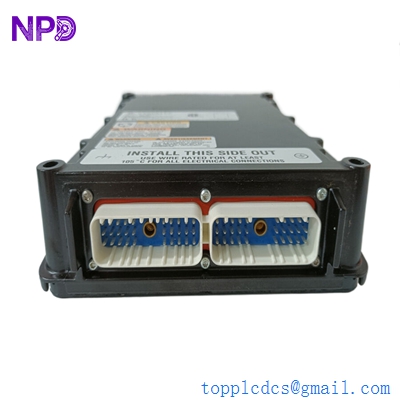
WOODWARD 8237-1006
Compatible Replacement Models
If you are looking to replace an old analog 2301A or a different version of the 2301E, here is the compatibility breakdown.
| Original Model | Replacement Model | Compatibility | Main Difference | Effort Level |
| 2301A (Analog) | 8237-1006 | ⚠️ Software Compatible | Digital vs Analog | High: Must re-wire & configure software |
| 8237-1005 | 8237-1006 | ✅ Direct Replacement | Standard vs High-Voltage | Low: Drop-in (check voltage range) |
| 8237-1002 | 8237-1006 | ✅ Direct Replacement | Minor firmware Rev | Low: Plug and play |
A note from the field: If you are upgrading from an old analog 2301A, don’t just “wire it and fire it.” You will need the Woodward configuration cable and a laptop. The 8237-1006 doesn’t have the “Low Voltage” (10-40V) vs “High Voltage” (88-132V) jumpers like some old models—it is a dedicated 24 VDC nominal unit.
Troubleshooting Quick Reference
| Symptom | Potential Cause | Relevance | Quick Check | Action |
| No Status LEDs | Power Supply | ❌ Low | Measure Terminals 1 (+) and 2 (-). Should be 18–40 VDC. | Check 24V supply and fuses. |
| Speed Signal Loss | MPU Gap/Wiring | ⚠️ Medium | Measure VAC on MPU terminals while cranking. Need >1.5 VAC. | Adjust MPU gap or check for metal shavings. |
| “CPU FAIL” LED Red | Internal Hardware | ✅ High | Power cycle the unit. Does the light stay Red? | Replace the module. |
| Erratic Load Sharing | Shielding/Noise | ⚠️ Medium | Check if the Load Sharing lines (Terminals 23/24) are shielded. | Ensure shield is grounded at ONE end only. |
| Actuator Not Moving | Wiring/Calibration | ✅ High | Measure mA output to actuator. Check for “Frozen” signal. | Verify actuator gain settings in software. |
Technical SOP & Quality Guarantee
To ensure this module doesn’t fail you in the field, every 8237-1006 we ship goes through a rigorous bench test:
- Visual Inspection: We check the terminal blocks for any hairline cracks and verify the Woodward serial number against their database.
- Live Test: The unit is mounted on a test rig simulating a 24V engine environment. We use a signal generator to simulate MPU (Magnetic Pickup) frequencies and verify the speed control loop.
- Communication Check: We connect via RS-232 to ensure the configuration port is responsive and hasn’t been “fried” by a previous user’s bad cable.
- Final QC: The unit is sealed in an ESD-safe bag and packed with high-density foam for international transit.
Remember: Most “failed” Woodward modules I see in the field aren’t actually dead—they just have corrupted configuration files or incorrect DIP switch settings for the actuator type. Always backup your configuration file (.sid or .cfg) before swapping modules.