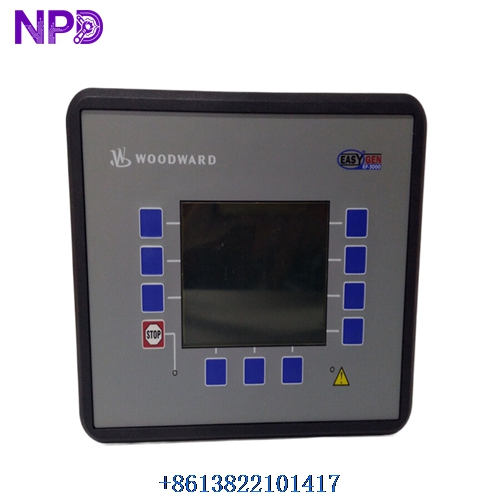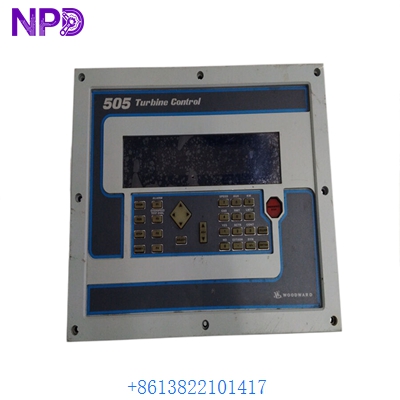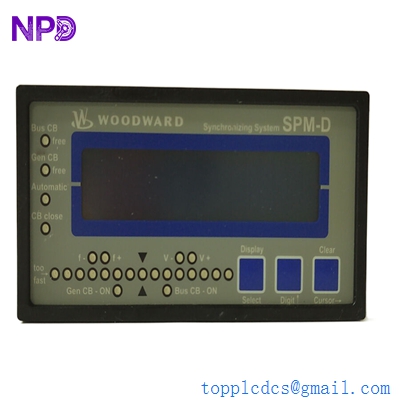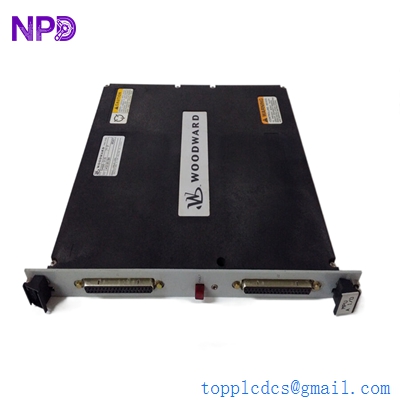

Description
Product Datasheet & Technical Parameters
- Brand: WOODWARD
- Model: 8273-140
- Series: Control and Protection Series
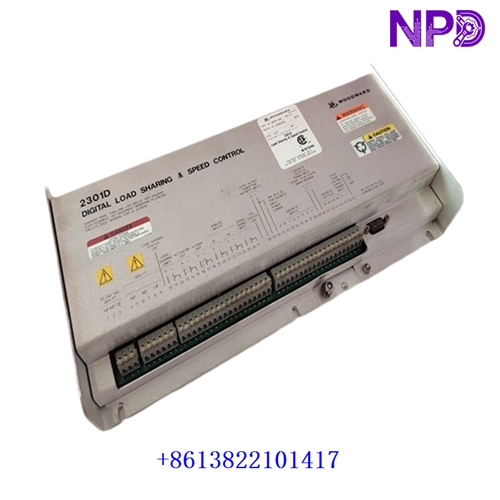
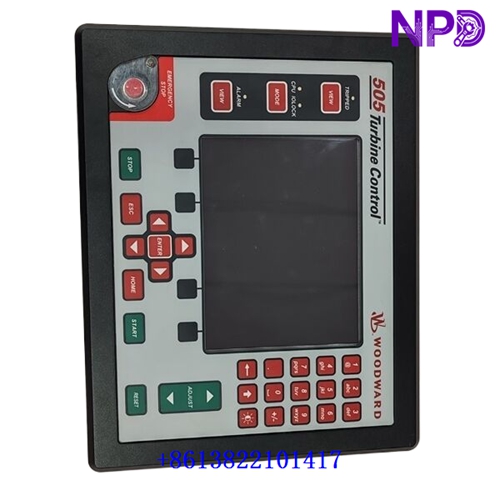
- Product Name: Load Sharing and Speed Control Module
- Manufacturing Origin: United States
- Physical Condition: Brand New / Factory Sealed
- Dimensions: Standard Industrial Enclosure Module
- Weight: Approx. 1.2 kg (2.6 lbs)
- Country of Origin: USA
- Power Consumption: 24 VDC Nominal (Max 15W)
Product Overview & Introduction
The WOODWARD 8273-140 is an advanced load sharing and speed control module designed specifically for prime movers, diesel engines, and industrial gas turbine systems. It provides precise frequency regulation and accurate active power load distribution among parallel-running generator sets. Engineered with high-reliability microprocessors and ruggedized electronic components, this module ensures seamless synchronization, optimal fuel control, and stable operation under fluctuating load conditions in critical industrial environments.
Operational Specifications & Guidelines
Prior to installation, ensure that the control cabinet is completely de-energized and properly grounded to prevent electrostatic discharge or electrical shock. Mount the 8273-140 module securely onto a standard industrial DIN rail or designated control panel chassis within an environmentally controlled enclosure, ensuring adequate ventilation clearances around the unit. Connect the actuator control lines, speed pickup sensors, auxiliary power input (24 VDC), and interconnecting load-sharing lines strictly in accordance with the manufacturer’s wiring diagram. Verify all terminal screw torques before applying system power. During initial calibration, adjust the proportional, integral, and derivative settings gradually to match the dynamic response characteristics of the specific engine or turbine system.
Startup & Shutdown Sequencing
To prevent voltage spikes, erratic actuator movements, or control loop instability, operators must strictly follow the defined startup and shutdown procedures.
- Startup Sequence:
- Verify all external wiring, sensor connections, and safety interlocks are securely fastened.
- Energize the auxiliary control power supply (24 VDC) to the WOODWARD 8273-140 module and wait for the internal diagnostic self-test to complete successfully.
- Initiate auxiliary support systems such as fuel boost pumps and lube oil pre-lube cycles.
- Issue the prime mover start command, allowing the engine or turbine to ramp up smoothly to idle speed under closed-loop frequency control.
- Engage synchronization and load-sharing modes only after reaching rated operating parameters and thermal stability.
- Shutdown Sequence:
- Gradually unload the generator set by transferring active power back to the main grid or companion units until minimum baseline load is achieved.
- Open the main generator breaker to isolate the unit electrically from the electrical busbar.
- Initiate the prime mover cool-down cycle at idle speed for the manufacturer-specified duration.
- Issue the formal stop command to shut down the engine or turbine completely.
- De-energize the auxiliary 24 VDC control power supply to the module only after the prime mover has come to a complete standstill.
Frequently Asked Questions (Q&A)
- Q1: What should I do if the module displays instability or hunting behavior during parallel load sharing?
- A1: Hunting typically indicates improper tuning of the gain or stability potentiometer settings. Verify that the speed pickup sensor is clean and securely mounted, check for loose wiring connections on the interconnecting load-sharing lines, and readjust the dynamic response parameters gradually until stable operation is achieved.
- Q2: Can the WOODWARD 8273-140 operate in harsh industrial environments with high vibration?
- A2: Yes, the unit is engineered with industrial-grade ruggedized electronics designed to withstand moderate vibrations and temperature variations. However, installing the module inside a vibration-isolated and temperature-regulated control cabinet is highly recommended for maximizing long-term operational reliability.
- Q3: What is the required input power supply voltage for this module?
- A3: The module operates on a nominal 24 VDC power supply. Ensure that the external power source is regulated and free from excessive voltage ripples or transients to prevent internal component damage.