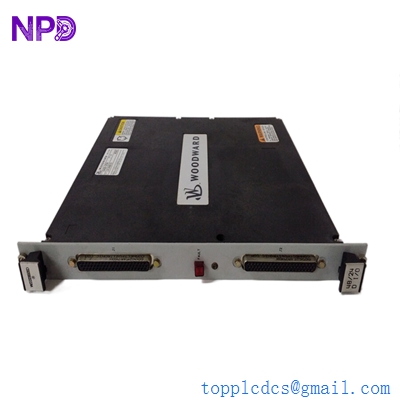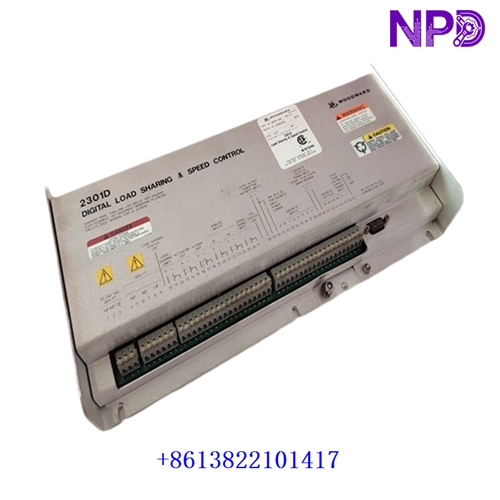
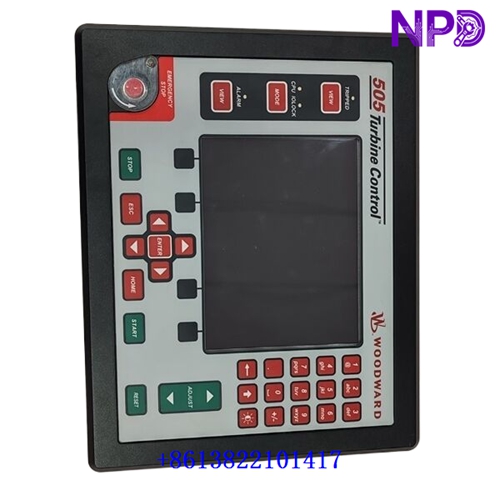

Description
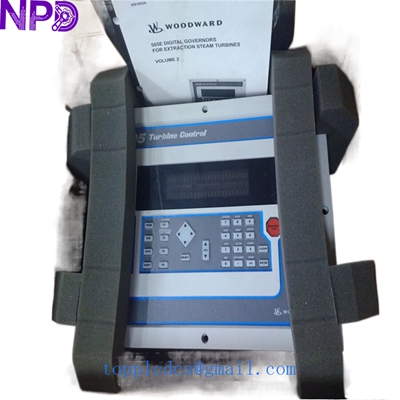
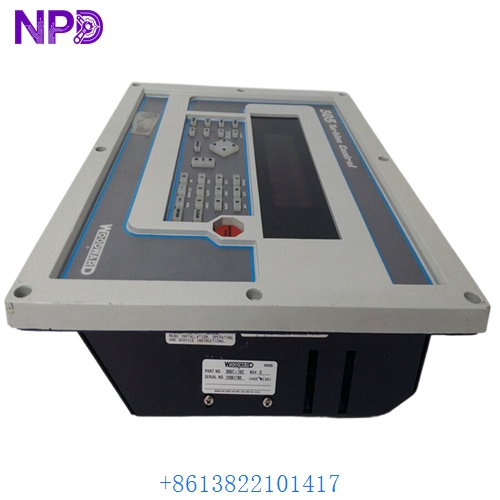
The Woodward 8273-507 is part of the 2301D-EC (Extended Communications) series, engineered to provide precise digital load sharing and speed control for diesel or gas engine-driven generators. Below are the ten core specification parameters detailing its build, origin, and technical ratings:
- Brand: WOODWARD
- Model Number: 8273-507
- Series: 2301D-EC Digital Load Sharing and Speed Control Series
- Product Name: Digital Load Sharing and Speed Control Module
- Place of Production: United States / Global Facilities
- Condition State: Brand New / Factory Recertified Options Available
- Dimensions: Standard Industrial Enclosure Form Factor
- Weight: Approx. 1.8 kg (4.0 lbs)
- Country of Origin: USA
- Power Consumption: 18 to 32 VDC (Nominal 24 VDC), Max 20W
⚙️ Operating Guidelines & Usage Methods
Proper integration of the Woodward 8273-101 module requires strict adherence to industrial electrical standards. Operators must ensure that all control wiring utilizes shielded twisted-pair cables to mitigate electromagnetic interference (EMI) from adjacent high-voltage power lines. Grounding must be implemented strictly in accordance with manufacturer guidelines to protect sensitive internal microprocessors from ground loops and voltage transients. Calibration and communication should be performed via the integrated RS-232/422 communication port using Woodward Watch Window software with Modbus protocol.
During active operation, continuous monitoring of feedback signals is vital. Maintenance personnel should periodically inspect terminal block torque settings and verify that ambient operating temperatures remain within the specified industrial range of -40°C to +70°C. Never attempt internal component repairs or modifications while the module is energized, as this can cause permanent electrical damage or severe personal injury.
⚡ Power-Up & Power-Down Sequence
Industrial control hardware demands a structured sequencing protocol to prevent voltage spikes, data corruption, and catastrophic actuator misalignment.
Startup Sequence:
- Verify that all external emergency stop circuits, safety interlocks, and auxiliary sensors are fully functional and in their normal standby states.
- Energize the auxiliary control power distribution panel, ensuring the input voltage to the module stabilizes within the 18–32 VDC operational window.
- Allow the module internal boot sequence and diagnostic self-test to complete fully, typically indicated by solid status LED indicators.
- Engage the engine auxiliary systems and initiate slow-speed cranking or idling mode.
- Release software or hardware lockouts and transition the module into active speed control and load-sharing governance.
Shutdown Sequence:
- Gradually reduce engine load via operator control interfaces until the unit reaches a stable unloaded idle condition.
- Transfer active electrical load fully to alternate synchronized generators or safely disconnect the output breaker.
- Command the engine shutdown sequence, allowing engine deceleration to a complete standstill.
- De-energize the module input power supply by opening the main control circuit breakers.
- Lock out and tag out (LOTO) all power sources if physical maintenance or module replacement is required.
📖 Product Operating Instructions
The Woodward 8273-507 operates by processing microprocessor-based digital algorithms to govern speed reference signals and manage multi-unit load sharing across parallel generation systems. Operators interact with the module through configured analog inputs, discrete switch inputs, and serial communication links supporting Modbus protocol. Fine-tuning of internal parameters and control loops allows technicians to optimize transient response times and eliminate hunting or oscillation under varying dynamic loads. Regular logging of event histories and alarm codes through the communication port ensures proactive identification of potential system anomalies before they precipitate unscheduled operational downtime.
❓ Frequently Asked Questions (Q&A)
Q1: What should I do if the module fails to initialize or displays a fault LED upon power-up? A1: First, check the incoming DC supply voltage to ensure it is stable within the 18–32 VDC range. Verify that all screw clamp terminal connections are secure and that internal fusing has not blown. If faults persist, connect the configuration software tool through the RS-232/422 port to read specific error codes.
Q2: Can the 8273-507 module be used for islanded operation as well as parallel load sharing? A2: Yes. The module features versatile configuration parameters allowing seamless switching between isolated speed governing (droop or isochronous mode) and digital load sharing over active interconnect lines.
Q3: How are firmware updates or configuration backups performed? A3: Firmware updates and parameter modifications must be executed using authorized service software like Woodward Watch Window connected via the designated communication port. Always back up existing configuration files before applying any modifications.
Q4: What environmental precautions are necessary for long-term reliability? A4: Ensure the module is installed within a properly rated electrical enclosure designed for ordinary locations, equipped with adequate ventilation or climate control to prevent moisture condensation and keep ambient temperatures below the maximum rated limit of 70°C.