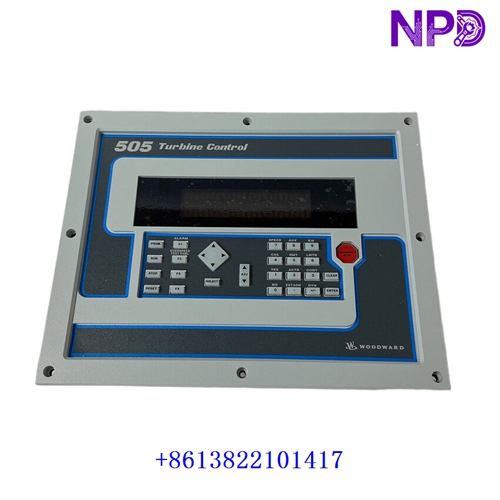
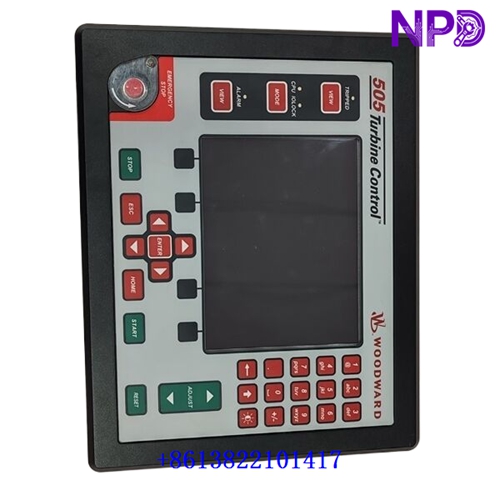

Description
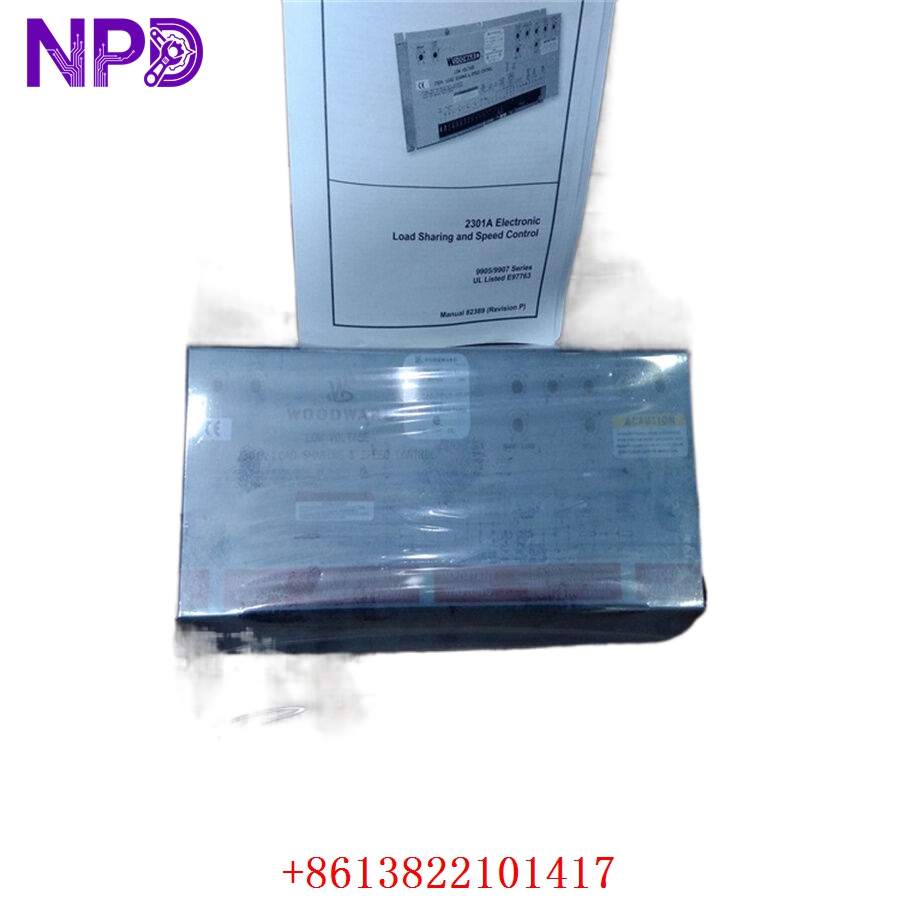
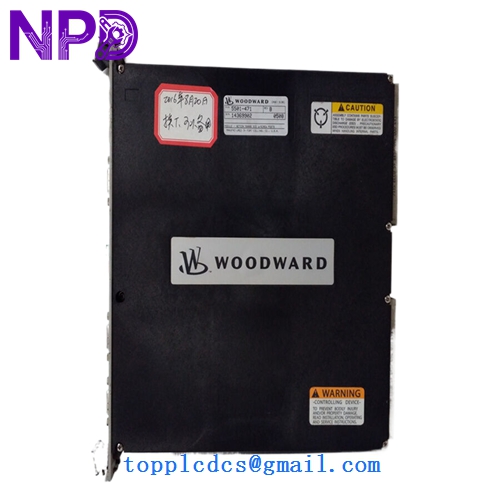
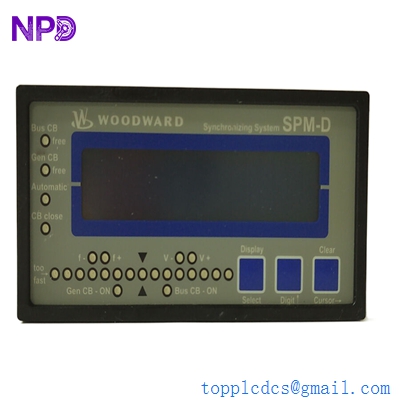
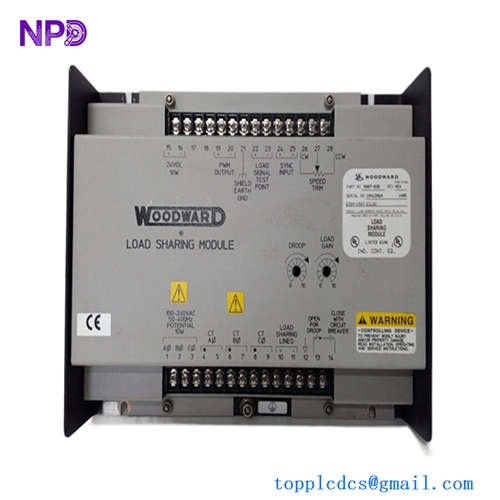
The Woodward DSLC (Digital Synchronizer and Load Control) Part 9905-354 is an advanced microprocessor-based control module designed for three-phase AC generators, providing precise synchronizing, dead bus closing, base loading, and isochronous load sharing. Below are the ten core specification parameters detailing its build, origin, and technical ratings:
- Brand: WOODWARD
- Model Number: 9905-354
- Series: DSLC Series
- Product Name: Digital Synchronizer and Load Control Module
- Place of Production: United States / Global Facilities
- Condition State: Brand New / Factory Recertified Options Available
- Dimensions: Standard Industrial Panel-Mount Form Factor
- Weight: Approx. 1.2 kg (2.6 lbs)
- Country of Origin: USA
- Voltage & Output Ratings: Voltage Input of 120/240 VAC, Wye PT Configuration, 0.5–4.5 Vdc Speed Bias
⚙️ Operating Guidelines & Usage Methods
Proper integration of the Woodward 9905-354 DSLC controller requires strict adherence to industrial electrical standards and precise wiring of potential transformers (PTs) configured for 120/240 VAC Wye systems, alongside current transformers (CTs) for power sensing. Operators must ensure that all control and measurement wiring utilizes shielded twisted-pair cables to mitigate electromagnetic interference (EMI) from adjacent high-voltage lines. Grounding must be implemented strictly in accordance with manufacturer guidelines to protect internal circuitry from ground loops and voltage transients. Configuration, calibration, and parameter adjustments should be performed using Woodward configuration software via the designated communication port.
During active operation, continuous monitoring of synchronization parameters, bus/generator voltages, and load-sharing feedback signals is vital. Maintenance personnel should periodically inspect terminal block torque settings and verify that ambient operating temperatures remain within specified industrial limits. Never attempt internal component repairs or adjustments while the unit is energized, as this can cause permanent electrical damage or severe personal injury.
⚡ Power-Up & Power-Down Sequence
Industrial control hardware demands a structured sequencing protocol to prevent voltage spikes, data corruption, and out-of-phase breaker closure across parallel power systems.
Startup Sequence:
- Verify that all external emergency stop circuits, safety interlocks, and auxiliary sensing lines are fully functional and in their normal standby states.
- Energize the auxiliary control power distribution panel, ensuring input power to the module stabilizes within its operational window.
- Allow the module internal boot sequence and diagnostic self-test to complete fully, observing the status indicators and digital display.
- Bring the incoming generator up to rated speed and voltage, feeding the 120/240 VAC Wye PT configuration inputs correctly.
- Enable the DSLC control loops to monitor bus and generator parameters, matching frequency, phase angle, and voltage before permitting automated synchronizing or breaker closure.
Shutdown Sequence:
- Command an orderly unloading cycle via the DSLC interface to ramp active electrical load down to zero or minimum base load.
- Open the main generator circuit breaker once the unit is safely unloaded or disconnected.
- Command the prime mover shutdown sequence, allowing engine or turbine deceleration to a complete standstill.
- De-energize the module input power supply and PT/CT sensing feeds by opening the main control circuit breakers.
- Lock out and tag out (LOTO) all power sources if physical maintenance or module replacement is required.
📖 Product Operating Instructions
The Woodward 9905-354 DSLC operates by digitally processing three-phase AC generator inputs (utilizing a 120/240 VAC Wye PT configuration) to provide automatic synchronizing, dead bus closing, and seamless load control. It communicates with compatible electronic governors using a 0.5–4.5 Vdc speed bias output to govern frequency and engine speed during paralleling, while also interfacing with automatic voltage regulators. Operators interact with the unit using handheld programmers or PC-based software tools to configure settings, review event logs, and calibrate dynamic response loops for optimal performance.
❓ Frequently Asked Questions (Q&A)
Q1: What should I do if the DSLC module fails to initialize or display a fault indicator upon power-up? A1: First, check the incoming power supply to ensure it is stable within the required operational range. Verify that all terminal block connections are secure and that internal fusing has not blown. If faults persist, connect the configuration software tool to read specific error codes.
Q2: How does the 120/240 VAC Wye PT configuration affect installation? A2: The module is designed to accept 120/240 VAC potential transformer inputs arranged in a Wye configuration, requiring proper phase matching and wiring between the generator and the electrical bus.
Q3: What purpose does the 0.5–4.5 Vdc speed bias serve? A3: The 0.5–4.5 Vdc speed bias output provides the precise control signal sent to the prime mover’s electronic governor or actuator driver to adjust fuel flow, matching speed and sharing load across parallel generators.
Q4: What environmental precautions are necessary for long-term reliability? A4: Ensure the module is installed within a properly rated NEMA or IP-enclosed electrical cabinet equipped with adequate ventilation or climate control to prevent moisture condensation and maintain safe operating temperatures.