
Description
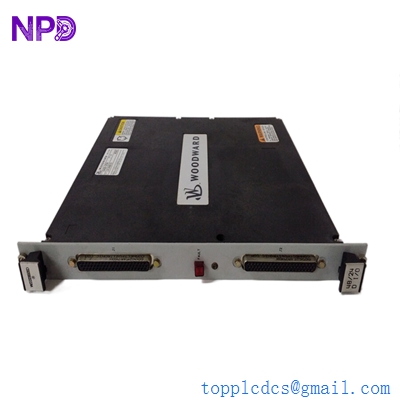
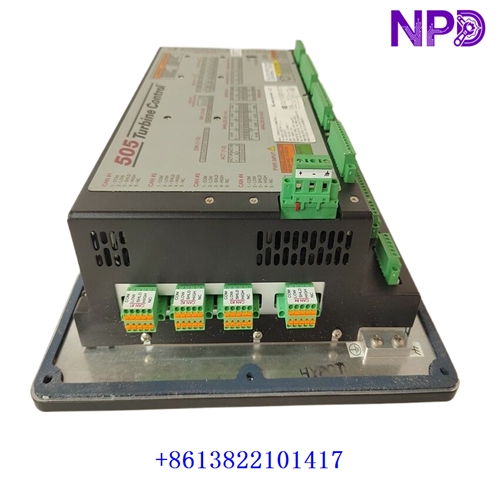
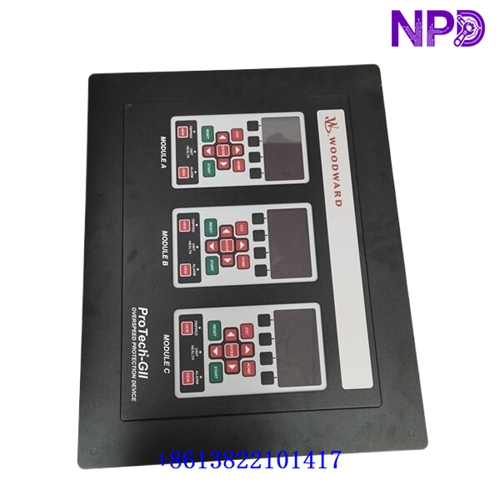
The Woodward ProTech 203 Model 9905-756 is an advanced Energize-to-Trip overspeed protection system designed for critical industrial rotating machinery. It features a robust modular design and explicitly displays the actual speed from each individual speed probe alongside the highest speed signal for enhanced diagnostic visibility. Additionally, the unit supports advanced online testing capabilities, allowing operators to verify system integrity and functionality safely while the machinery remains fully operational in demanding plant environments.
⚙️ Product Datasheet & Technical Parameters
• Brand: Woodward (ProTech 203)
• Model Number: 9905-756
• Series: ProTech Series Safety Systems
• Product Name: Digital Overspeed Trip Device (Energize-to-Trip)
• Origin: United States
• Production Status: Active / Industrial Standard
• Dimensions: Standard Modular Panel Mount Configuration
• Weight: Approximately 1.6 kg
• Country of Origin: United States
• Power Consumption: 24 VDC (Nominal)
🔌 Operating Guidelines and Usage Methods
The ProTech 203 Model 9905-756 is engineered for panel integration within control rooms or local turbine enclosures. Proper installation requires wiring independent magnetic pickup (MPU) speed sensors using shielded cables that are correctly grounded to eliminate electrical interference. Because this unit utilizes an Energize-to-Trip configuration, control loops and power inputs must be continuously monitored to ensure the trip circuit remains active and ready to energize the shutdown mechanism upon an overspeed event. Utilize the modular display interface to review individual probe inputs during setup.
🔄 Power-On and Power-Off Sequence
Power-On Sequence: First, verify all external sensor wiring, modular card seating, and safety interlocks. Next, energize the primary 24 VDC power supply to the unit. Allow the internal processor to complete its automatic self-diagnostic boot sequence. Once normal system status and healthy indicators are confirmed, enable the external trip output control circuitry.
Power-Off Sequence: First, inhibit or bypass the trip output signals if maintenance requires powering down while the turbine is offline, or perform the procedure during a scheduled outage. Next, disconnect external sensor input lines if servicing local hardware. Finally, cut off the 24 VDC power supply to the unit.
📝 Product Description and Operation Manual
The device continuously processes frequency inputs from multiple speed probes to detect hazardous overspeed conditions, leveraging a modular design for easy maintenance and card replacement. It explicitly shows the real-time rotational speed from each individual probe as well as tracking and displaying the highest speed signal among them. Operating under an Energize-to-Trip philosophy, the unit applies power to the trip mechanism when an overspeed threshold is breached. Furthermore, integrated online testing features allow plant personnel to test channel responses safely without shutting down the prime mover.
💡 Frequently Asked Questions (Q&A)
Q: What is the benefit of displaying the highest speed signal?
A: It allows operators and safety engineers to immediately identify which probe or channel is registering the peak rotational velocity during transient or steady-state operation.
Q: How does online testing function on the Model 9905-756?
A: Online testing permits safe verification of individual channel processing and relay logic while the turbine is running, without causing nuisance shutdowns.
Q: What does the Energize-to-Trip configuration entail?
A: In an Energize-to-Trip design, the output circuit supplies electrical power to actuate the trip mechanism (such as a solenoid valve) when an overspeed condition is confirmed.
Q: Are configuration parameters retained during power interruptions?
A: Yes, all safety setpoints, calibration data, and logs are stored securely in non-volatile memory, ensuring data integrity when power is lost.
🚀 Recommended Woodward ProTech Series Models
- 8200-200
- 8200-201
- 8200-202
- 8200-203
- 8200-204
- 8200-205
- 8200-206
- 8200-207
- 8200-208
- 8200-209