
Description
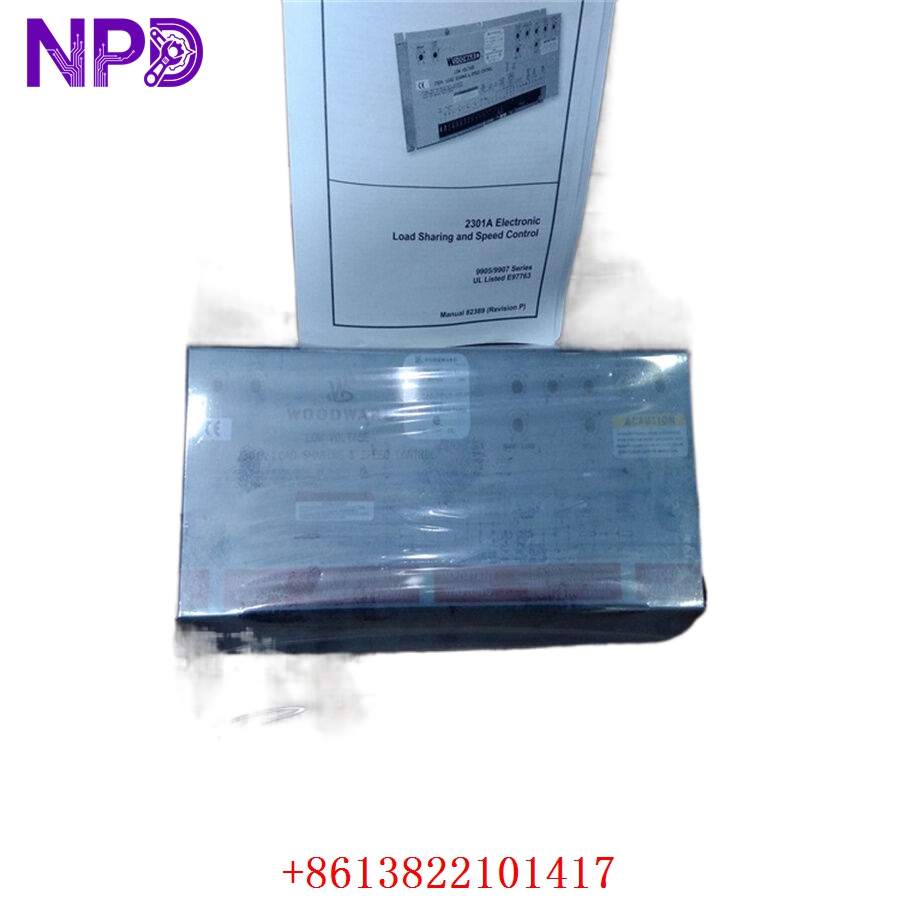
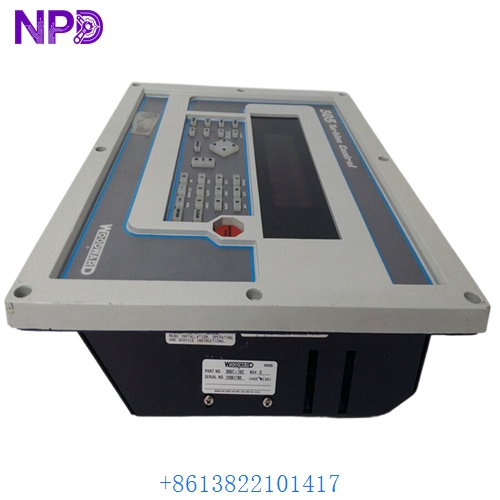
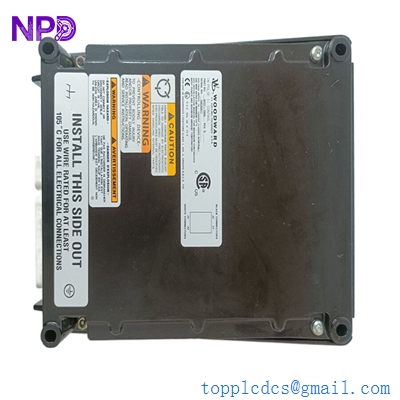
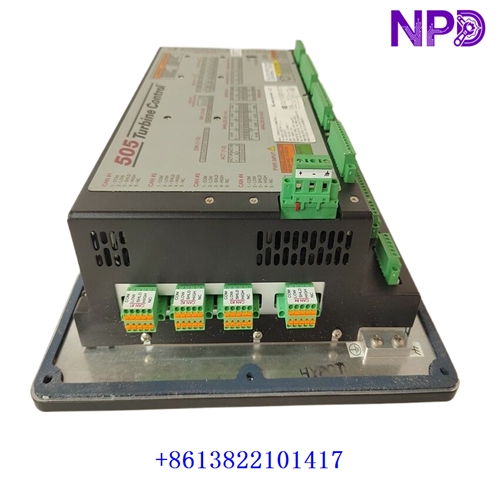
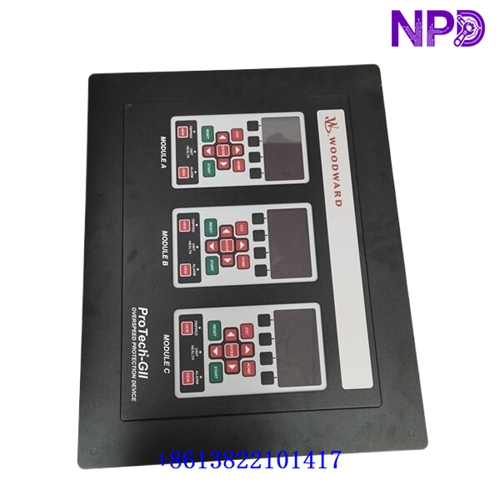
The Woodward ProTech 203 Model 9905-872 consists of three identical, independent, speed-sensing units which continuously monitor prime mover speed and activate a trip relay when an overspeed condition is detected. Engineered specifically for critical industrial rotating machinery such as gas turbines, steam turbines, and large compressors, this advanced safety device provides high reliability, fault tolerance, and immediate protection against hazardous overspeed excursions.
⚙️ Product Datasheet & Technical Parameters
• Brand: Woodward (ProTech 203)
• Model Number: 9905-872
• Series: ProTech Series Safety Systems
• Product Name: Digital Overspeed Trip Device
• Origin: United States
• Production Status: Active / Industrial Standard
• Dimensions: Standard Panel Mount Enclosure Configuration
• Weight: Approximately 1.6 kg
• Country of Origin: United States
• Power Consumption: 24 VDC (Nominal)
🔌 Operating Guidelines and Usage Methods
The ProTech 203 Model 9905-872 is designed for secure panel integration within central control rooms or local turbine enclosures. Proper installation requires connecting independent magnetic pickup (MPU) speed sensors to each of the three identical sensing units using properly shielded and grounded cables to eliminate electrical noise interference. Operators configure safety trip thresholds, response times, and voting parameters via the local user interface or configuration software. Routine functional checks can be performed to verify channel integrity without interrupting normal machine operation.
🔄 Power-On and Power-Off Sequence
Power-On Sequence: First, verify all external sensor wiring, input power connections, and safety interlocks. Next, energize the 24 VDC primary power supply. Allow the internal multi-processor system to complete its automatic self-diagnostic boot sequence and verify that all channel status indicators show healthy operation. Once system readiness is confirmed, arm the primary safety output relay logic.
Power-Off Sequence: First, inhibit or bypass the external trip output control signals to prevent nuisance tripping of the turbine shutdown valves during scheduled maintenance. Next, disconnect the sensor input lines if servicing local hardware. Finally, cut off the 24 VDC power supply to the unit.
📝 Product Description and Operation Manual
The device continuously processes frequency inputs from three identical, independent speed-sensing units to calculate rotational speed and acceleration rates accurately. By employing strict voting logic across its three independent sections, the system effectively eliminates false trips caused by single-sensor or single-channel hardware failures while ensuring immediate protective action when genuine overspeed thresholds are breached. Real-time operational data, alarm logs, and channel health are displayed clearly on the integrated interface. In the event of an overspeed condition, the unit instantly commands the trip output relays to shut down the fuel or steam valves.
💡 Frequently Asked Questions (Q&A)
Q: What is the benefit of having three identical, independent speed-sensing units?
A: This architecture ensures complete hardware redundancy and separation, allowing the system to maintain full safety protection even if a single sensing channel experiences a fault or failure.
Q: How are trip relays activated in this model?
A: Trip relays are commanded when the internal voting logic confirms that the pre-configured overspeed threshold has been crossed by a sufficient number of independent sensing channels.
Q: Are configuration settings preserved during a power outage?
A: Yes, all safety parameters, calibration settings, and event logs are stored in non-volatile memory, ensuring that data is fully preserved when power is interrupted.
Q: Can the unit be tested online while the prime mover is running?
A: Yes, the system supports online proof-testing features that allow operators to verify individual channel responses and relay operations safely while the machine remains in service.
🚀 Recommended Woodward ProTech Series Models
- 8200-200
- 8200-201
- 8200-202
- 8200-203
- 8200-204
- 8200-205
- 8200-206
- 8200-207
- 8200-208
- 8200-209