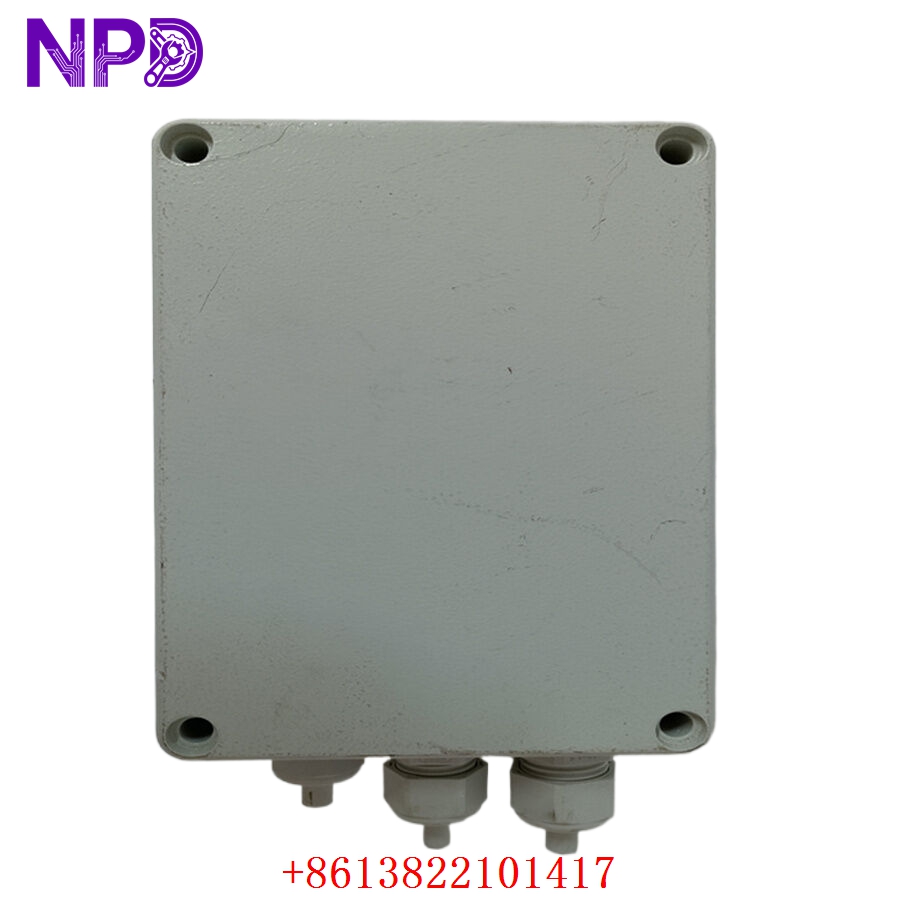

Description
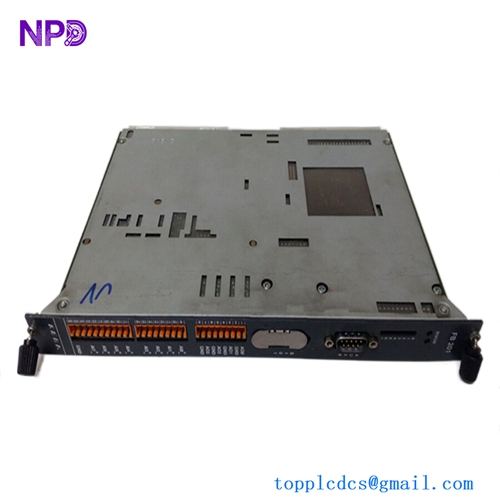
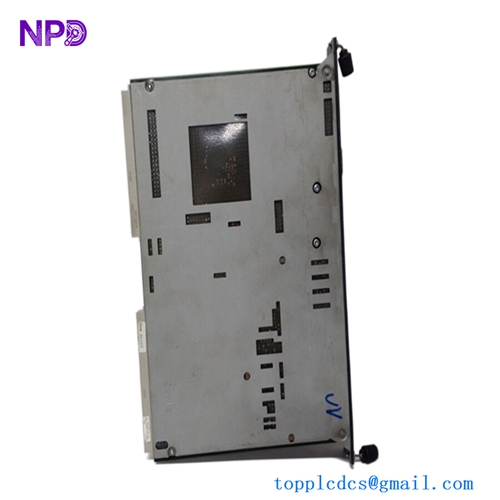
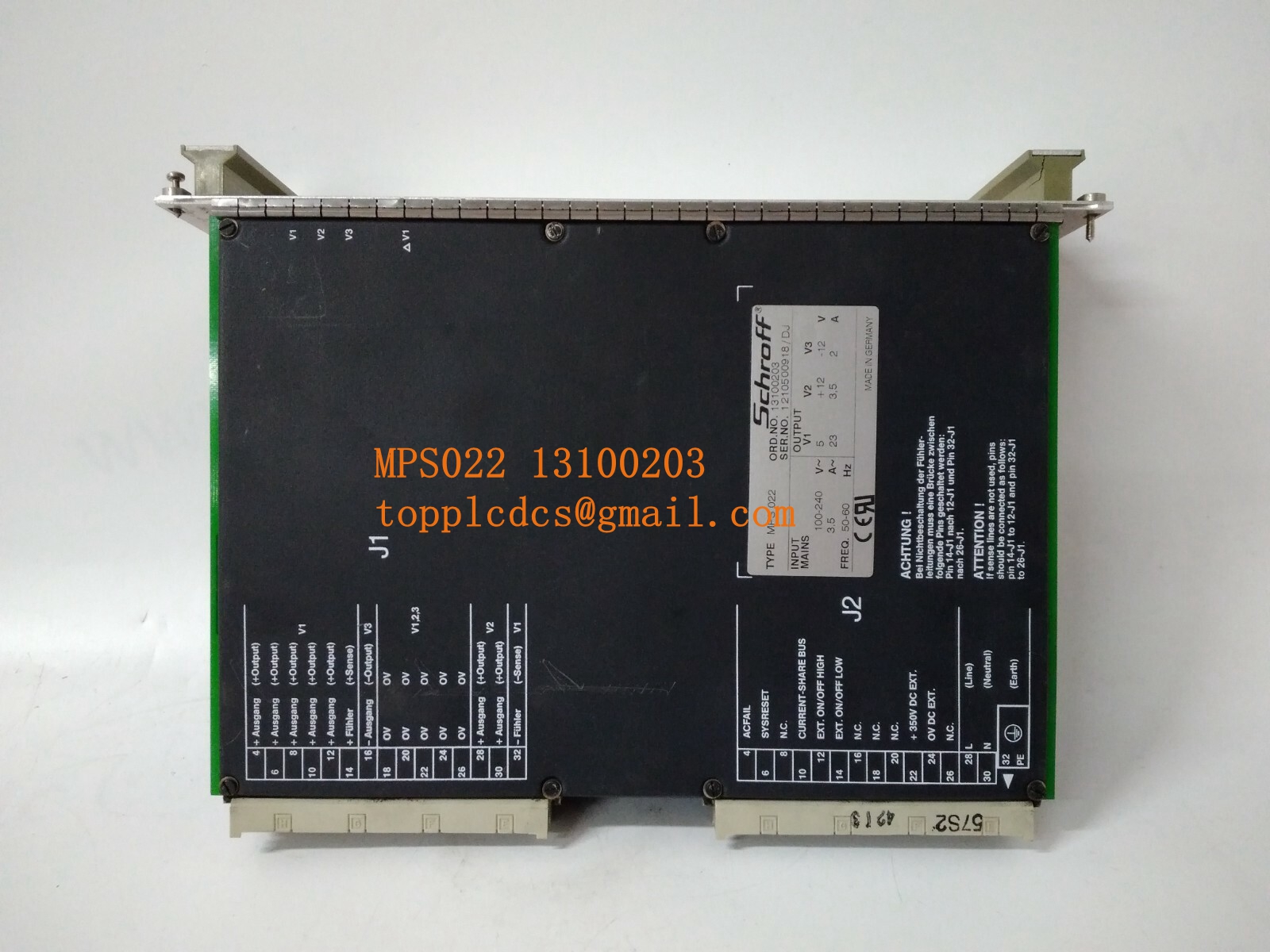
The WOODWARD 9907-838 is a high-precision Load Sharing and Speed Control Module. It is designed to work in conjunction with electronic governors to manage the division of active load between multiple engine-generator sets operating in parallel. By monitoring the real-time load of the bus, the 9907-838 ensures that each generator contributes its proportionate share, maintaining system stability and preventing overloading of individual units.

⚙️ Technical Specifications
- Dimensions: 205 mm x 150 mm x 90 mm
- Weight: 1.1 kg
- Country of Origin: United States
- Input Voltage: 18–32 VDC
- Load Signal Input: Isolated 0–3 VDC or 0–5 VDC
- Operating Temperature: -40°C to +70°C
- Housing: Ruggedized, industrial-grade metal enclosure
🏗️ Application Areas
- Prime Power Generation Systems
- Emergency Standby Generator Sets
- Parallel Utility/Grid Interconnection
- Marine Power Distribution Systems
- Multi-Engine Synchronous Applications
📖 Product Usage Instructions
This module must be mounted inside an electrical cabinet that protects it from moisture and extreme heat. All signal lines (Load Sense, Speed Bias) must be wired using shielded twisted-pair cables to prevent electromagnetic interference (EMI). Ensure that the common reference point for the load sharing signal is properly linked across all generators in the parallel group.
🌐 Communication Configuration Steps
- Load Gain: Adjust the “Load Gain” potentiometer on the front panel to tune the module’s responsiveness to load changes.
- Station Number: In digital integration, assign the load-sharing bus priority through the system software settings.
- Speed Bias: Configure the speed bias output (typically ±1V or ±3V) to ensure the module can effectively signal the governor to increase or decrease engine speed for load balancing.
⚡ Power-Up Debugging Flow
- Verify 24VDC power supply levels.
- Check that the “Load Signal” from the transducer/CT (Current Transformer) is reaching the module terminals.
- Power on the unit and ensure the “Ready” indicator is illuminated.
- If a “Load Mismatch” alarm occurs, verify that the polarity of the load sharing wires is consistent across all paralleled units.
- Perform a “no-load” synchronization test before introducing bus load.
✅ Initial Run Checklist
- Verify that the generator voltage and frequency are stable before engaging the breaker.
- Check that load sharing sensitivity is balanced—the engine should take on load smoothly without “hunting” or oscillation.
- Inspect the output bias signal with an oscilloscope or high-impedance multimeter to ensure the control signal is clean.
- Save your final potentiometer settings for future reference.
- Ensure all terminal screws are torqued to prevent intermittent connection failures.
❓ Frequently Asked Questions (Q&A)
Q: What is the main purpose of the load sharing bus? A: The load sharing bus allows the generators to “talk” to each other so that no single engine works harder than the others, which prevents engine overheating and ensures uniform wear.
Q: Can I use this with any governor? A: The 9907-838 is designed to work with most Woodward electronic governors and many third-party governors that accept a standard speed trim signal.
Q: What if my engine “hunts” while paralleled? A: “Hunting” usually indicates that the load gain is set too high or that there is electrical noise on the load share lines. Check shielding and lower the gain slightly.
Q: Is the 9907-838 hot-swappable? A: No. Always isolate the unit from the power source and ensure the generator breakers are open before replacing the module to prevent electrical damage to the control system.