
Description
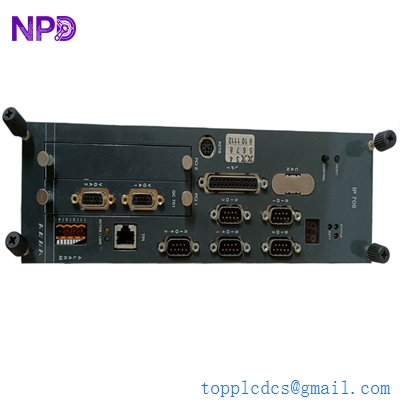
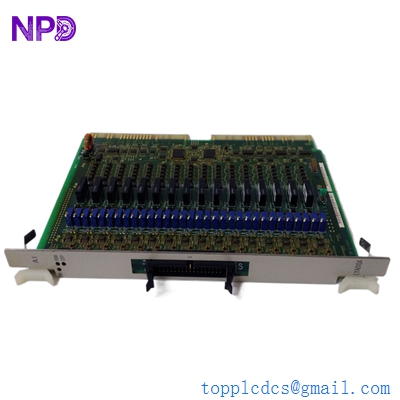
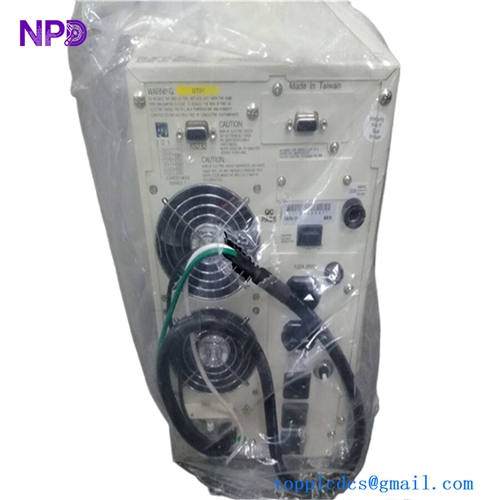
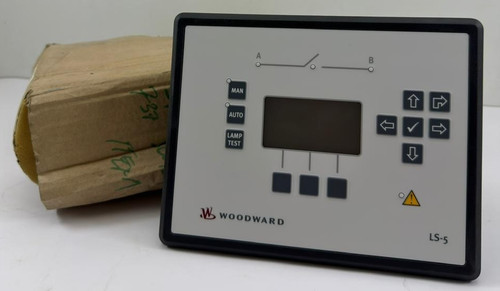
The Woodward LS-521 (Part: 8440-2150A) is a highly specialized generator circuit breaker control unit designed for complex power management systems. It serves as an intelligent synchronization and protection interface, managing the synchronization of generator breakers to the mains or parallel busbars. This module is essential for applications requiring seamless load sharing, soft loading/unloading, and advanced generator set protection within power plants or industrial microgrids.
📋 Technical Specifications
| Parameter | Specification |
|---|---|
| Product Name | Woodward LS-521 Breaker Control Module |
| Model Number | 8440-2150A |
| Core Function | Generator breaker synchronization and control |
| Usage | Power management, paralleling, and grid-tie applications |
| Control Features | Automatic synchronizer, voltage matching, dead bus closing |
| Communication | CAN bus (Woodward CAN), Modbus RTU, Ethernet |
| Power Supply | 12/24 V DC (Wide range: 9–32 V DC) |
| Mounting Style | DIN-rail or panel-mounted |
| Dimensions | Approx. 200 mm x 150 mm x 100 mm |
| Weight | Approx. 0.9 kg |
🚀 Recommended Series Models & Integration
The LS-521 is typically integrated into the Woodward easYgen ecosystem to provide a complete power management solution:
- easYgen-3200XT – Master controller for complex power management
- easYgen-2500 – Compact gen-set controller
- LS-511 – Alternative breaker control for specific grid applications
- GC-340/D – Generator controller for manual/auto operation
- DTSC-200 – Automatic Transfer Switch (ATS) controller
- CANbus Gateway – Essential for high-speed inter-module communication
- ProTech-SX – Overspeed protection device
- AP-50 – Advanced power protection unit
- Woodward 8440-20XX Series – Compatible synchronization units
- Analog/Digital I/O Expansion Modules – For increased monitoring capacity
⚠️ Integration & Configuration Note
The 8440-2150A requires careful parameterization using Woodward’s ToolKit software. Key configurations include setting the synchronization window (phase angle and frequency deviation) and defining the “dead bus” logic to ensure that your generator breakers are protected during grid instability.