
Description
◼ Product Datasheet & Technical Parameters
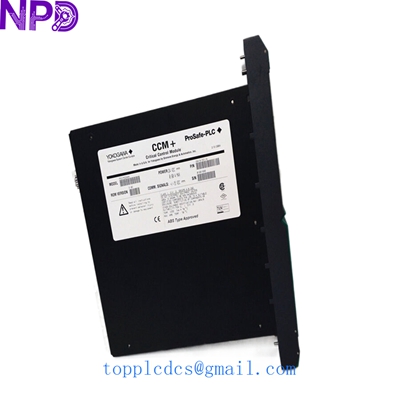
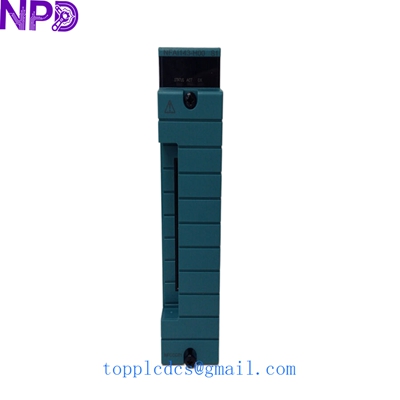
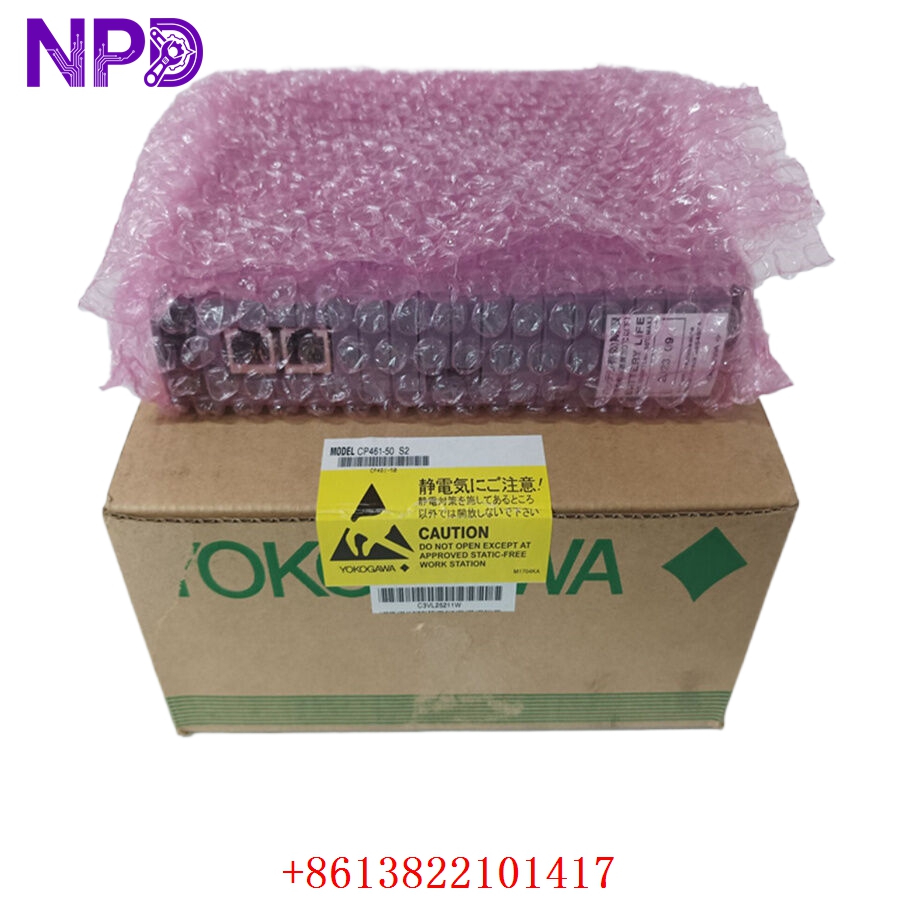
The Yokogawa AFV10D-S41101 S2 is a high-reliability, dual-redundant Field Control Unit (FCU) designed for the CENTUM VP and CENTUM CS 3000 Distributed Control Systems (DCS). It acts as the core processor of the Field Control Station (FCS), executing continuous, sequential, and batch control logic.
- Brand: Yokogawa
- Model: AFV10D-S41101 (Suffix Code configuration with S2 build standard)
- Series: CENTUM VP / Vnet/IP & FIO Architecture Line
- Product Name: Duplexed Field Control Unit (FCU)
- Origin Country: Japan / Singapore
- Physical State: Solid State Microprocessor-based Rack Module
- Dimensions: Standard 19-inch rack-mountable unit format
- Weight: Approx. 8.0 kg
- Processor & Memory: VR5432 RISC processor (133 MHz), 32 MB ECC main memory with 72-hour battery backup protection
- Power Supply Parameters: Dual-redundant 100–120 VAC power input (dependent on exact suffix mapping); internal regulated dual 24 VDC distribution
- Communication Interface: Dual-redundant Vnet/IP real-time control network interfaces (1 Gbps full duplex via RJ45 / CAT5e ports)

► Operation Specifications & Usage Methods
Proper integration and initialization ensure high-availability control execution and secure process management:
- Mount the 19-inch rack unit securely inside an approved industrial cabinet using standard M5 mounting screws and isolation bushings.
- Connect the dual-redundant Vnet/IP ports to the system Layer 2 switches using CAT5e (or better) shielded network cabling.
- Terminate incoming power feeds and system ground lines to the designated M4 screw terminal blocks on the rear housing, ensuring proper grounding continuity.
- Initialize control functions, station definitions, and function block logic (such as PID control loops and sequence tables) via the System Maintenance / Engineering Station (ES) software.
⚠ Emergency Shutdown Operation
In the event of an emergency process trip, critical fault, or plant-wide safety shutdown, execute the following protocol:
- Process safety logic is automatically executed through the dual-redundant CPU architecture, safely driving field outputs to pre-configured fail-safe states upon trip conditions.
- For complete hardware isolation, disconnect primary AC power feeds using external upstream circuit breakers or emergency power-off switches.
- Allow internal power supplies and memory-backup batteries to stabilize or isolate safely before performing hardware extraction.
⚙ Troubleshooting & Common Issues
System diagnostics and hardware indicators help resolve operational faults efficiently:
- If the controller fails to boot or sync, inspect the dual power supply status indicators and verify input voltage stability across the terminal blocks.
- For Vnet/IP communication drops, check network cable integrity, switch port configurations, and transceiver link lights.
- If a CPU failover occurs, review the System View error logs on the engineering station to diagnose hardware synchronization errors or internal watchdog triggers.
🛠 Routine Maintenance & Servicing
Preventative maintenance maximizes hardware longevity and guarantees system uptime:
- Perform periodic visual inspections of terminal blocks, power connections, and enclosure air filters to prevent thermal stress and vibration wear.
- Monitor the status of the internal backup battery (responsible for 72-hour volatile memory protection during power loss), replacing it according to lifecycle guidelines.
- Maintain updated backups of all station configuration files and control applications to streamline emergency recovery processes.
❓ Frequently Asked Questions (Q&A)
- Q1: What is the purpose of the dual-redundant configuration in the AFV10D?
- A1: The unit utilizes pair-redundancy (“Peer & Spare” technology with synchronized CPUs) to deliver seamless, bumpless switchover in the event of a primary hardware failure, ensuring zero process interruption.
- Q2: Can I hot-swap modules within the AFV10D controller assembly?
- A2: Yes, components such as individual power supply modules and certain connected FIO (Field-IO) cards support online replacement, though core processor chassis swaps should follow strict plant safety guidelines.
- Q3: What communication network does this control unit connect to?
- A3: It interfaces directly with Yokogawa’s high-speed, real-time Vnet/IP control network (1 Gbps) for robust communication with Operator Stations (HIS) and other controllers.