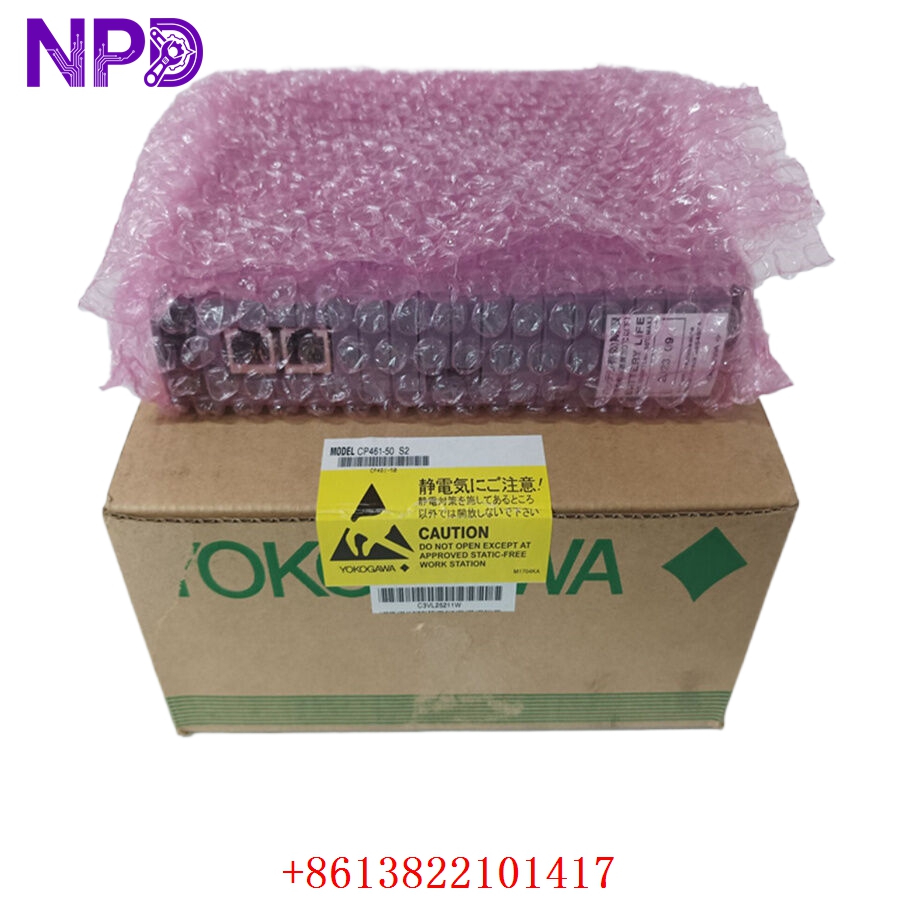

Description
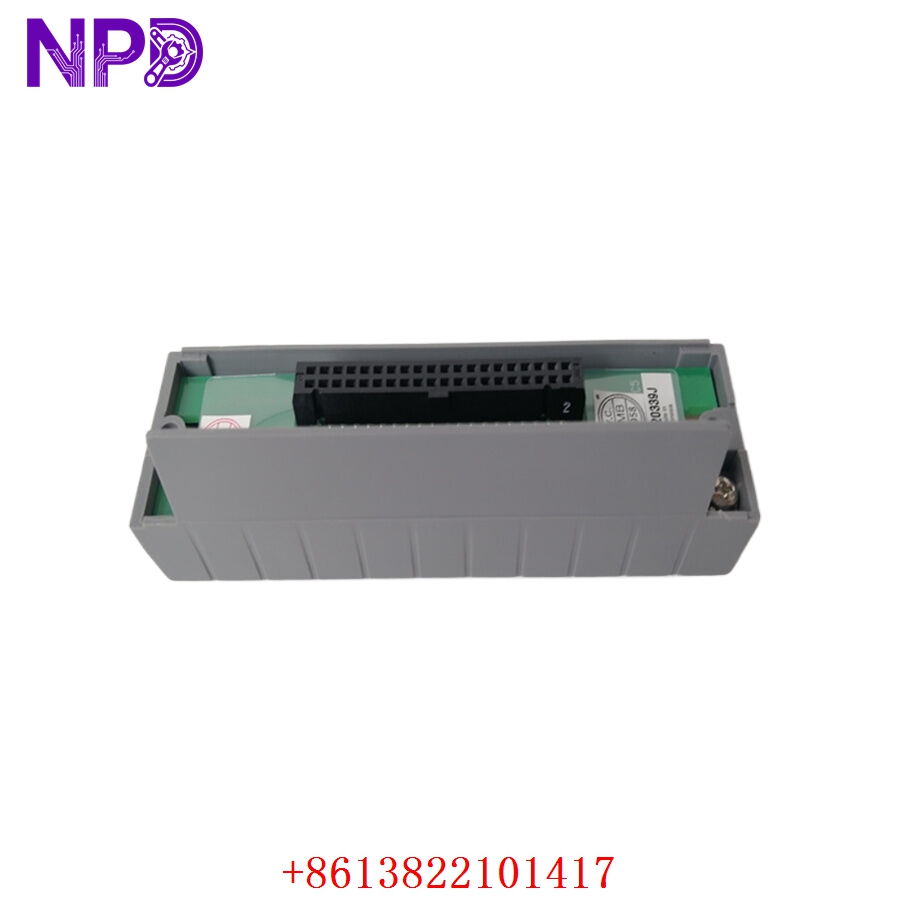
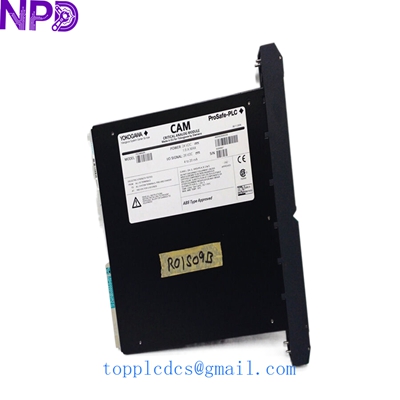
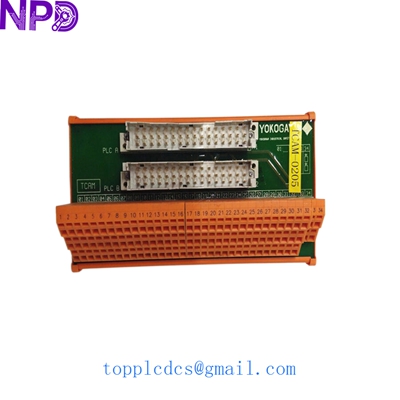
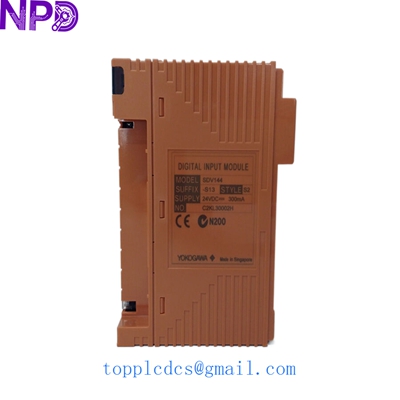
The Yokogawa AIP171-S2 (often listed as AIP171 / S2) is a specialized communication and transceiver control module designed for integration within Yokogawa industrial automation platforms, specifically supporting legacy and mainstream distributed control system (DCS) environments such as CENTUM CS and CENTUM VP.
- Brand: Yokogawa
- Model / Part Number: AIP171-S2 (Base Model: AIP171)
- Series: CENTUM CS / CENTUM VP System Peripheral / Communication Line
- Product Name: Transceiver Control Module
- Origin Country: Japan
- Physical State: Solid-State Electronic Circuit Module
- Weight: Approx. 0.2 kg – 1.25 kg (depending on enclosure/bracket configuration)
- Power Supply: Standard internal bus voltage (typically 24 VDC node-powered)
- Communication Support: Engineered to manage data exchange, signal routing, and network transceiver operations across system busses.

► Operation Specifications & Usage Methods
Proper handling and integration ensure stable data flow and uninterrupted network communication:
- Ensure that all node rack power feeds are fully powered down and locked out before inserting or extracting the transceiver module.
- Securely seat the module into its assigned slot within the Yokogawa control node chassis, ensuring proper backplane pin alignment and fastening any retention mechanisms.
- Verify communication parameters and node address settings through the system engineering station software prior to bringing the bus segment online.
⚠ Emergency Shutdown Operation
In the event of a critical system fault, network storm, or plant emergency, execute the following protocol:
- System-level redundancy handles primary control routing interruptions automatically, shifting traffic to secondary pathways if configured.
- For complete hardware isolation, disconnect node rack power supplies using upstream breakers or panel switches.
- Allow internal circuits to discharge fully before attempting physical inspection or module replacement.
⚙ Troubleshooting & Common Issues
System diagnostics and status indicators help isolate network transceiver faults efficiently:
- If communication drops or bus timeouts occur, check the front-panel LED indicators on the module to verify link and error status.
- Inspect backplane connector pins for dust, oxidation, or mechanical wear caused by vibration.
- Confirm that network cable shielding and termination resistors meet Yokogawa physical layer specifications.
🛠 Routine Maintenance & Servicing
Preventative care ensures maximum network reliability and prevents unexpected system downtime:
- Perform periodic visual inspections of the node rack environment to ensure it remains free from excessive dust, moisture, and corrosive elements.
- Check module retention screws and terminal connections routinely to prevent loosening from industrial vibration.
- Handle replacement modules strictly under Electrostatic Discharge (ESD) safe protocols utilizing grounded wrist straps and anti-static packaging.
❓ Frequently Asked Questions (Q&A)
- Q1: What is the primary function of the AIP171-S2 module?
- A1: It functions as a transceiver control module designed to manage and optimize data communication and signal exchange between devices within Yokogawa control architectures.
- Q2: Which control systems utilize this module?
- A2: It is typically deployed within Yokogawa CENTUM CS and CENTUM VP distributed control system environments.
- Q3: Is the module hot-swappable?
- A3: Standard operating procedure recommends shutting down power to the specific node rack prior to module insertion or removal to prevent electrical transients or bus corruption.