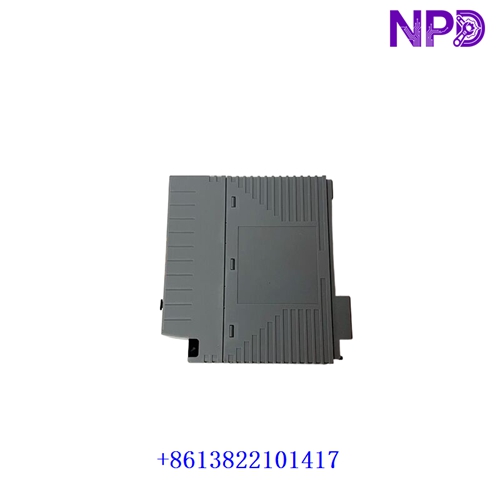

Description
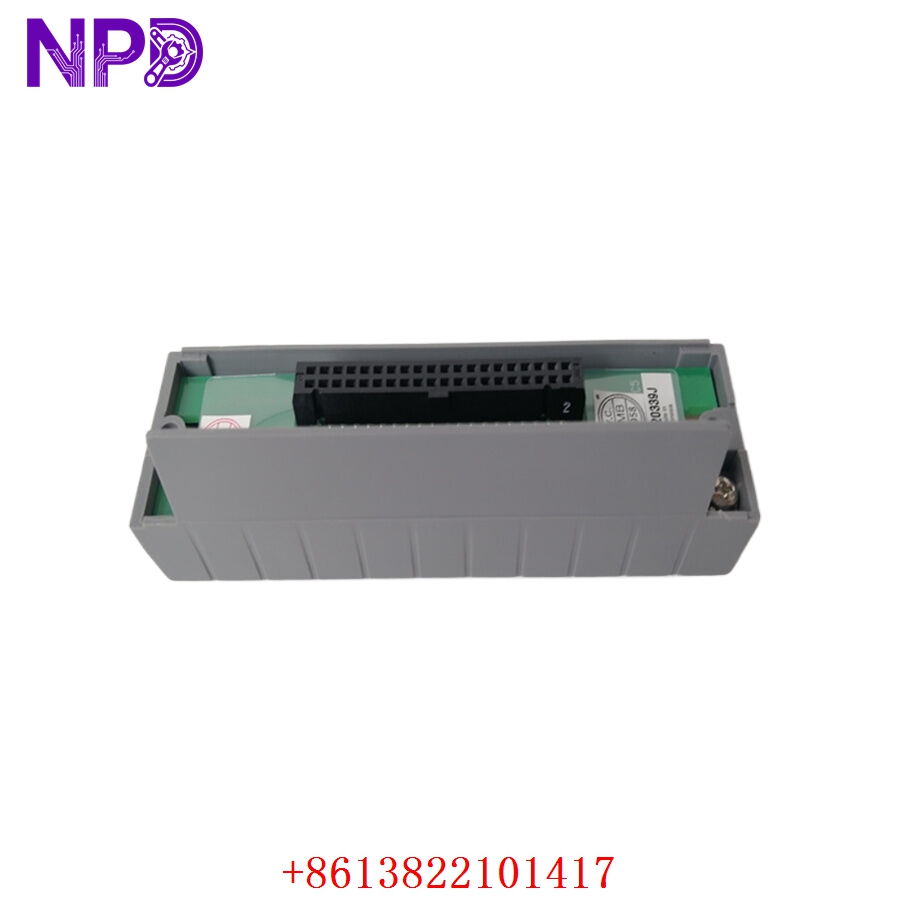
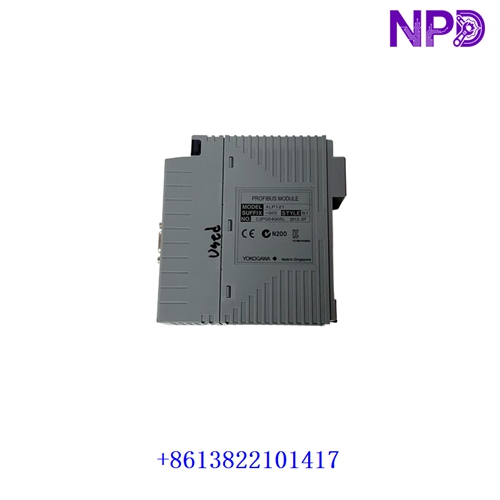
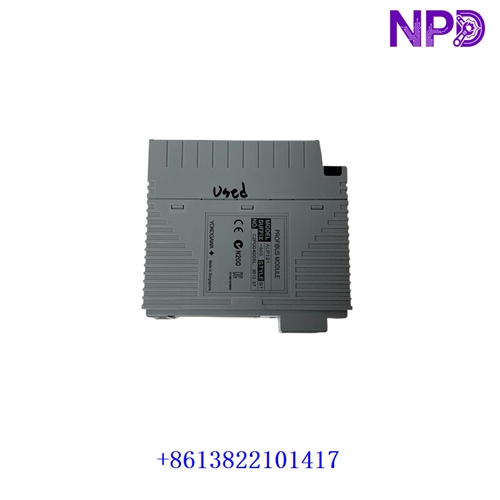
The Yokogawa ALP121 is a high-performance PROFIBUS-DP communication module designed for integration within CENTUM VP distributed control systems (DCS). It functions as a master device to facilitate data exchange with field slaves. Below are the core technical parameters governing its physical and operational characteristics:
- Brand: Yokogawa
- Model: ALP121
- Series: CENTUM VP / Field Network I/O (FIO) Line
- Product Name: PROFIBUS-DP Communication Module
- Origin Country: Japan
- Physical State: Solid State Electronic Module
- Dimensions: Standard FIO card form factor (compatible with node unit slots)
- Weight: Approx. 0.3 kg
- Place of Manufacture: Yokogawa Electric Corporation Manufacturing Facilities
- Power Consumption: 0.7 A max (at 5V DC)
► Operation Specifications & Usage Methods
Proper integration and system configuration ensure reliable fieldbus communication and seamless data acquisition:
- Mount the module securely into designated slots on compatible Field Control Units (such as AFV30 or AFV40) or ESB bus node units.
- Connect the PROFIBUS-DP communication line using the EIA-RS-485 compliant D-sub 9-pin interface port.
- Configure network parameters, communication speeds, and slave device mapping utilizing the dedicated PROFIBUS-DP Configurator and engineering workstation software prior to runtime execution.
⚠ Emergency Shutdown Operation
In the event of an electrical hazard, communication failure, or critical plant emergency, execute the following protocol:
- Disengage the main power supply feeding the control rack or node unit via the primary system breaker.
- Follow established plant safety procedures to transition connected field actuators and control loops into a safe operational state.
- Notify the automation engineering team and review system error diagnostics before attempting a hardware reset.
⚙ Troubleshooting & Common Issues
System interruptions and data exchange errors can typically be diagnosed through status indicators and configuration logs:
- If the module fails to initialize, inspect the internal backplane connector pins for proper seating, dust, or damage.
- For PROFIBUS communication timeouts, verify cable shield grounding, termination resistor settings, and address configurations on slave devices.
- If module fault indicators (ERR) illuminate, access the engineering station diagnostic tools to examine internal buffer logs and verify redundant link status.
🛠 Routine Maintenance & Servicing
Preventative maintenance maximizes hardware longevity and ensures continuous network reliability:
- Perform periodic visual checks on control cabinet environment filters and module cooling to prevent thermal stress.
- Inspect D-sub connector integrity and cable fastening periodically to ensure stability against industrial vibration.
- Back up configuration parameters and project files regularly to streamline device replacement during lifecycle maintenance.
❓ Frequently Asked Questions (Q&A)
- Q1: What is the primary role of the ALP121 module?
- A1: It acts as a PROFIBUS-DP master interface enabling Yokogawa CENTUM VP control systems to communicate seamlessly with third-party PROFIBUS-DP field devices and remote I/O.
- Q2: Does the module support system redundancy?
- A2: Yes, it supports dual-redundant configurations where a backup module can take over communication instantly upon primary module failure without process disruption.
- Q3: What transmission speeds are supported on the communication port?
- A3: The module auto-detects transmission speeds ranging from 9600 bps up to 12 Mbps depending on network segment design.