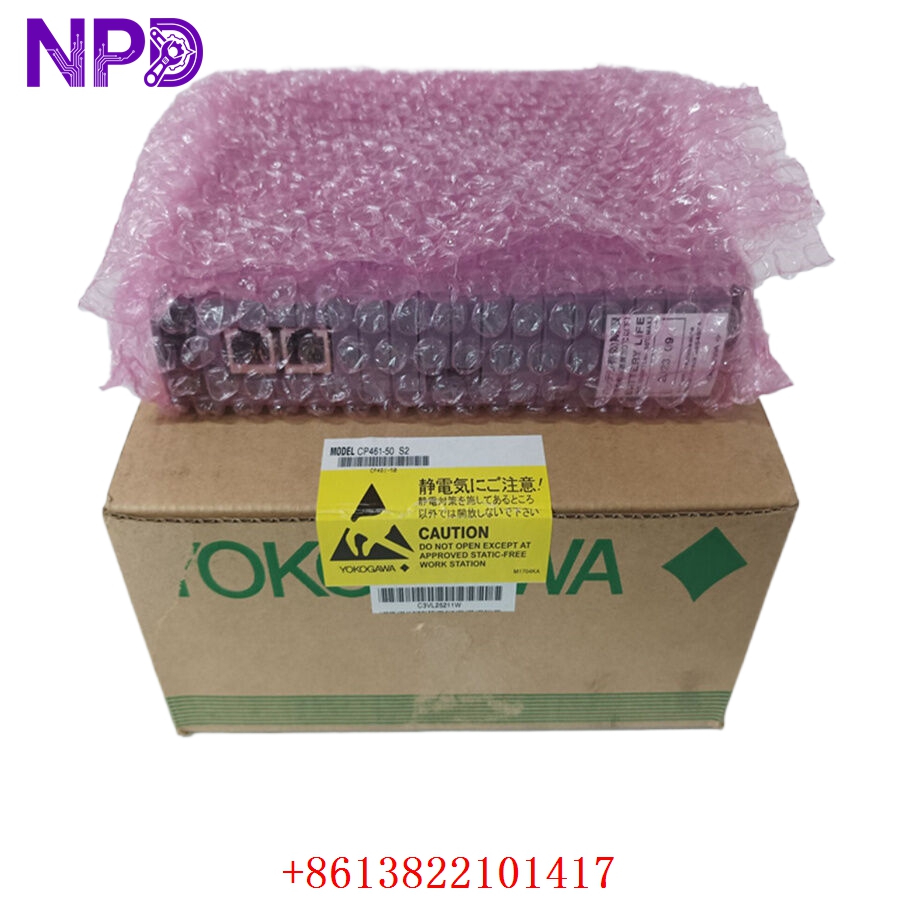

Description
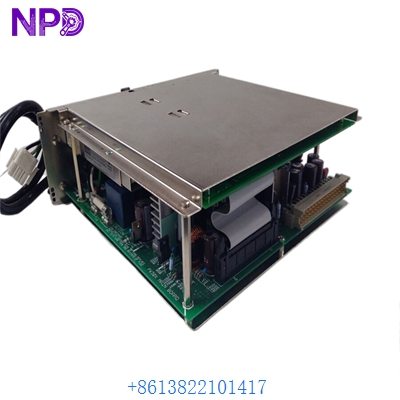
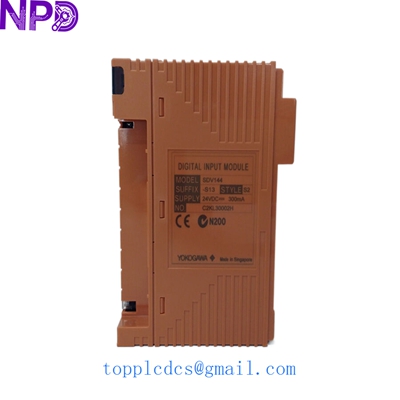
The Yokogawa SB401-53 (Style S1) is a specialized bus interface and communication module base unit engineered specifically for Yokogawa CENTUM and ProSafe-RS distributed control systems (DCS). Designed to manage high-speed data transmission and node interconnectivity, this unit acts as a crucial backbone conduit for routing control signals and I/O communication across system racks.
Built to rigorous industrial automation standards, the module ensures robust electrical isolation, minimal signal attenuation, and reliable data synchronization in mission-critical industrial environments. Its modular architecture allows seamless integration into Yokogawa control cabinets, maximizing system availability across power generation, oil and gas, and chemical processing plants.

📊 Product Datasheet & Technical Parameters
- Brand: Yokogawa Electric Corporation
- Model: SB401-53
- Style / Revision: Style S1 (S1)
- Series: CENTUM / ProSafe-RS Hardware Platform
- Product Name: Bus Interface and Communication Module Base
- Place of Manufacture: Japan / Singapore (Global Yokogawa Manufacturing Facilities)
- Physical State: Solid-State Printed Circuit Board and Interface Assembly
- Dimensions: Standard Yokogawa rack-mount card layout (~130 mm x 180 mm x 40 mm variant dependent)
- Weight: ~0.55 kg
- Origin of Materials: Global Sourced Industrial Components
- Power Rating: Low-voltage internal control and bus logic supply rails (Powered via system backplane distribution)
🛠️ Operational Specifications & Usage Methods
Installation of the Yokogawa SB401-53 module must be performed by certified electrical technicians within a grounded, climate-controlled control cabinet. Securely mount the unit onto the designated backplane or chassis rails, ensuring proper mechanical alignment and earth grounding continuity.
Maintain operating ambient cabinet temperatures between 0°C and 50°C, with non-condensing relative humidity levels below 95%. Verify that all internal bus cables and communication connectors are properly seated and secured to prevent intermittent data errors caused by cabinet vibration.
🛑 Emergency Shutdown Procedure
In the event of a critical electrical fault, plant emergency, or system-wide power overhaul, execute the facility emergency shutdown procedure to cut primary power feeds to the control cabinet.
Isolate all upstream power supplies feeding the control racks. Allow sufficient time for internal circuitry to discharge completely, and verify a zero-energy state using a calibrated multi-meter before performing maintenance, wiring checks, or module extraction.
🔍 Troubleshooting & Common Issues
Common field anomalies typically involve communication timeouts, loose bus cable connections, or environmental dust accumulation on interface pins. If a bus error or node drop is detected by the controller, inspect the front-panel status indicators and verify that connectors are firmly seated.
Use static-safe maintenance tools to clear any dust accumulation from module ventilation grills and backplane pins. If communication faults persist, check bus termination settings and cable integrity.
🧰 Routine Maintenance & Servicing
Establish a routine semi-annual preventive maintenance schedule to verify long-term operational reliability. Inspect all terminal connections, bus cables, and grounding straps for signs of thermal stress, corrosion, or loosening caused by cabinet vibration.
Clean exterior surfaces using a dry, anti-static cloth. Avoid applying liquid solvents or cleaning sprays directly onto electronic circuitry or interface pins.
❓ Frequently Asked Questions (Q&A)
- Q1: What is the primary function of the Yokogawa SB401-53 module?
- A1: It serves as a specialized bus interface and communication base unit designed to manage data routing and node interconnectivity within Yokogawa DCS racks.
- Q2: Is this module hot-swappable during system operation?
- A2: Maintenance protocols generally require powering down the specific rack or following strict system safety guidelines before inserting or removing bus interface hardware to prevent data corruption.
- Q3: Which control platforms utilize this hardware?
- A3: This component is designed for deployment across Yokogawa CENTUM distributed control systems and ProSafe-RS safety instrumented platforms.