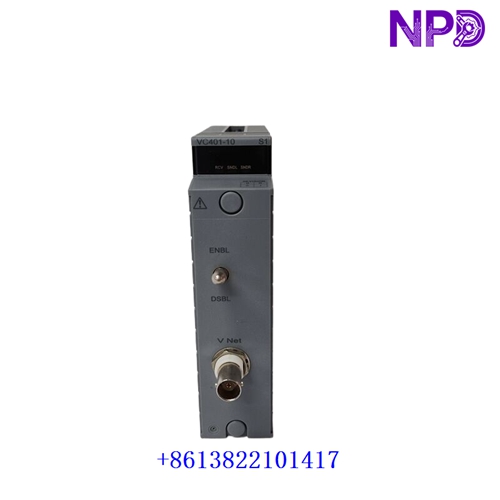
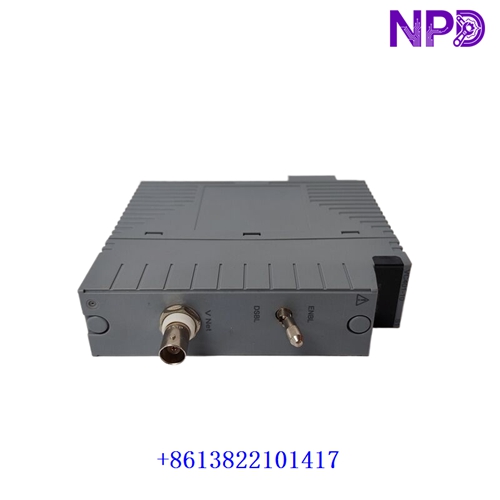
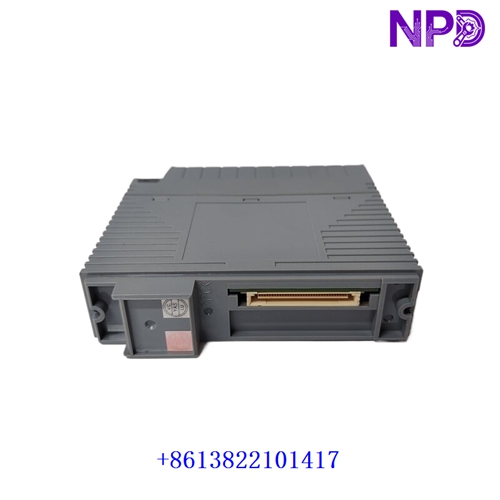

Description
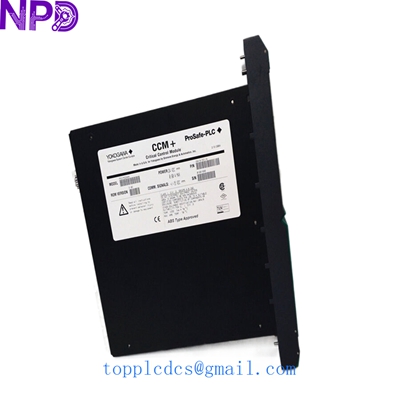
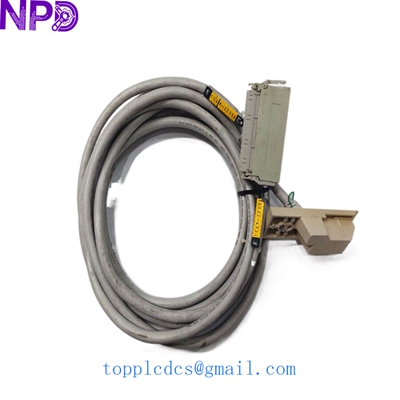
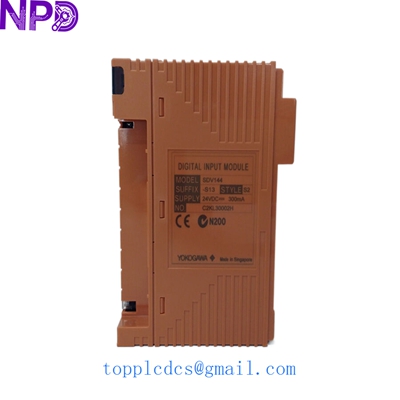
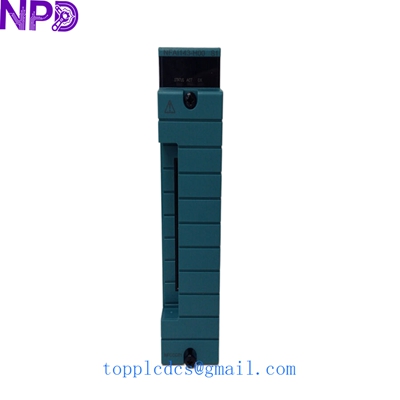
The Yokogawa VC401-10 is a specialized communication and bus coupler module designed for Yokogawa Distributed Control System (DCS) architectures, specifically the CENTUM VP and legacy platforms. It functions as a Vnet Coupler Unit, providing reliable physical and electrical interfacing to route real-time control data, manage network traffic, and link Field Control Units (FCUs) across the high-speed control network.
| Parameter | Specification |
| Brand / Manufacturer | Yokogawa Electric Corporation |
| Model / Part Number | VC401-10 (VC401 Series Base Model with standard -10 operational spec) |
| Product Type | Vnet Communication / Bus Coupler Module |
| System Compatibility | Yokogawa CENTUM VP and CS 3000 Distributed Control Systems (DCS) |
| Network Protocol | Yokogawa Vnet / Vnet/IP control network bus |
| Power Consumption | Powered via system backplane bus rails (~5 VDC node draw) |
| Physical Dimensions | Approx. 3.8 cm × 15.2 cm × 12.7 cm (Standard CENTUM node module form factor) |
| Approximate Weight | ~0.2 kg (0.39 lbs) |
| Operating Temperature | 0°C to +55°C (32°F to 131°F) |
| Product Status | Industrial Automation Spare Part / Active System Support |
First-Run Inspection Checklist
- ☑ Physical & Faceplate Integrity
Inspect the module housing, front status indicators, connector pins, and rear backplane multi-pin interfaces for transit vibration damage or pin distortion.
- ☑ Rack Slot Alignment
Ensure that the designated communication slot inside the Yokogawa control node rack is clean and free of debris before inserting the unit.
- ☑ Firmware & Revision Match
Verify that the module version matches system architectural requirements, particularly when operating within dual-redundant node configurations.
Routine Maintenance & Servicing
- 🛠 Environmental & Cabinet Climate Control
Verify that control enclosures maintain clean air filters and stable internal ambient temperatures to safeguard communication electronics.
- 🔌 Network Cable & Shield Grounding Inspection
Periodically check that Vnet coaxial or twisted-pair cable shields are securely terminated to the cabinet protective earth (PE) bus bar to maintain high-frequency noise immunity.
Troubleshooting & Common Issues
- ⚠️ Network Communication Dropouts
If node communication flags an error, inspect Vnet cable connections, check bus terminators, and ensure the module is fully seated into the backplane connectors.
- ⚠️ Redundant Bus Synchronization Faults
In redundant Vnet configurations, if a coupler fault indicator activates, verify that the active/standby handshaking parameters and network paths are clear of physical interference.
Safety Precautions
- 🔐 Qualified Personnel Only
Installation, rack insertion, network configuration, and hardware replacements must be executed exclusively by certified DCS and automation network engineers.
- ⚠️ Hot-Swap Restrictions
Hot-swapping the VC401-10 module is restricted unless installed within a properly configured, redundant Vnet architecture where the secondary active unit safely maintains continuous network traffic.
Frequently Asked Questions (Q&A)
- ❓ Q1: What is the primary role of the VC401-10 module?
A: It acts as a Vnet coupler unit, enabling seamless, high-speed data communication between Field Control Units (FCUs) and operator stations across Yokogawa’s proprietary control network.
- ❓ Q2: Can this module be used in single or redundant node setups?
A: Yes. It supports deployment in standard node architectures as well as dual-redundant configurations designed to eliminate single points of failure on the control network backbone.