
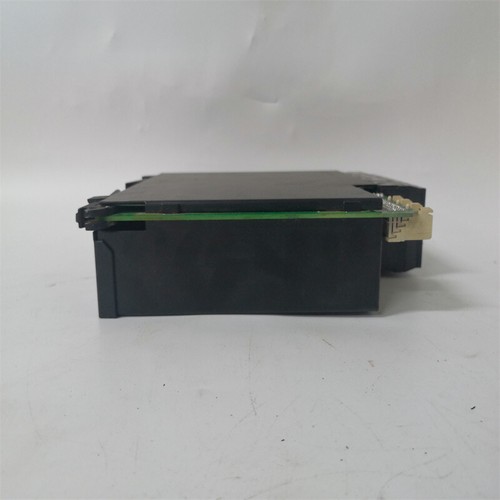
The GE Multilin UR6UH is a high-performance Power Supply Module designed specifically for the Universal Relay (UR) family of protective relaying devices. As a core component of the UR chassis, the UR6UH provides the stabilized DC voltages required to power the central processing units, I/O modules, and communication boards within the relay. This module is engineered to handle a wide range of input voltages, making it adaptable to various substation and industrial power environments. Built with the rigorous standards of General Electric’s Grid Solutions division, the UR6UH features advanced power conditioning and surge protection to ensure that critical protection and control functions remain active even during system disturbances.
Technical Specifications
The following parameters detail the technical profile of the UR6UH power supply:
- Model Number: UR6UH
- Manufacturer: GE Multilin (General Electric)
- Series: Universal Relay (UR) Series (e.g., B30, C30, D60, G60, L90)
- Input Voltage Range: 125 – 250 V DC or 120 – 240 V AC
- Output Power: High-capacity rating to support fully loaded UR chassis
- Dimensions: 180mm x 45mm x 250mm
- Weight: 0.82 kg
- Ride-through Time: 100ms or greater at nominal voltage
- Isolation: 2kV AC for 1 minute (Input to Output/Chassis)
- Operating Temperature: -40°C to +60°C
Application Fields
The UR6UH power supply is a foundational component in GE Multilin UR-series applications, including:
- Substation Automation: Powering primary protection relays for feeders, buses, and transformers.
- Generation Protection: Integrated into G60 or G30 relays for large-scale generator management.
- Transmission Lines: Supporting D60 or L90 series line distance and differential protection systems.
- Industrial Power Systems: Providing reliable control power in oil refineries, mines, and manufacturing plants.
Product Instructions and Handling
The UR6UH module is designed to occupy a specific power supply slot (typically Slot P1) in the GE Multilin UR chassis. Before installation, verify that the input voltage available in your panel matches the “UH” (High Voltage) range of the module. The module should be inserted firmly into the chassis until the front-panel thumbscrews can be engaged. Ensure the chassis is properly grounded before applying power. Because this module interfaces with high-voltage station batteries or AC mains, all wiring should be performed with the source disconnected. When handling the UR6UH, avoid touching the rear connector pins to prevent contamination or damage from Electrostatic Discharge (ESD).
Questions and Answers
Q: Can the UR6UH be used in a chassis that originally had a low-voltage power supply? A: Yes, the UR chassis is modular. However, you must ensure that the external wiring is updated to provide the correct high-voltage input (125-250V) required by the UR6UH.
Q: How does the UR6UH indicate a failure? A: The module is monitored by the UR system’s self-diagnostics. A power supply failure will typically trigger the “Critical Fail” relay contact on the relay and display a “Power Supply Error” message on the front panel HMI.
Q: Is the UR6UH hot-swappable? A: While the UR modules are physically easy to remove, it is strongly recommended to de-energize the relay before replacing the power supply module to prevent electrical arcing or damage to other sensitive electronic components.
Product Related News: Reliability in Grid Modernization
As global power grids become more complex with the integration of renewable energy, the reliability of protective relaying hardware is under closer scrutiny than ever. The GE Multilin UR series, supported by robust components like the UR6UH power supply, continues to be a top choice for utilities performing grid modernization. Recent field studies indicate that the “UH” series power supplies are particularly resilient against the DC battery fluctuations often found in aging substations. By maintaining a stock of original UR6UH modules, facility managers can ensure that their protection systems—some of the most critical assets in a power network—remain operational and compliant with NERC/CIP and other regional reliability standards.


