Description
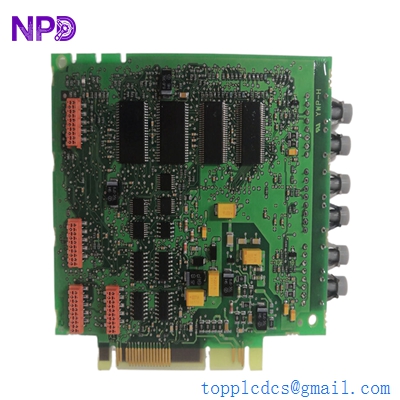
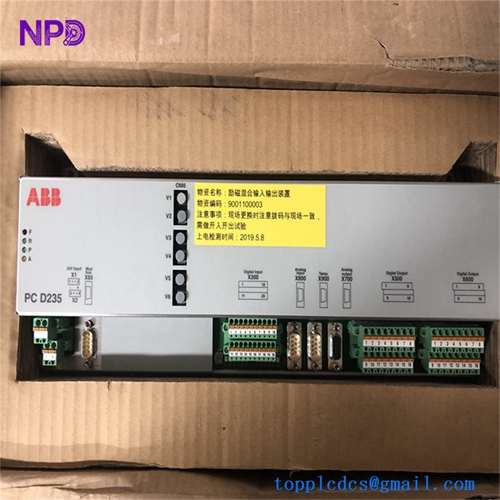
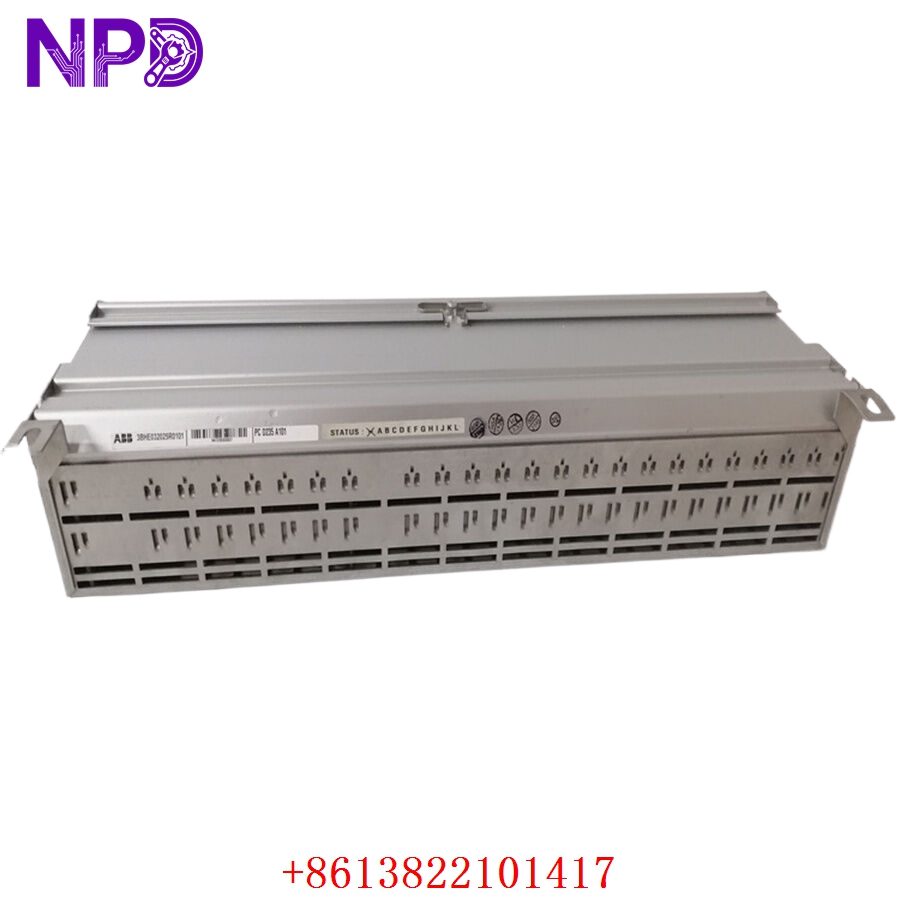
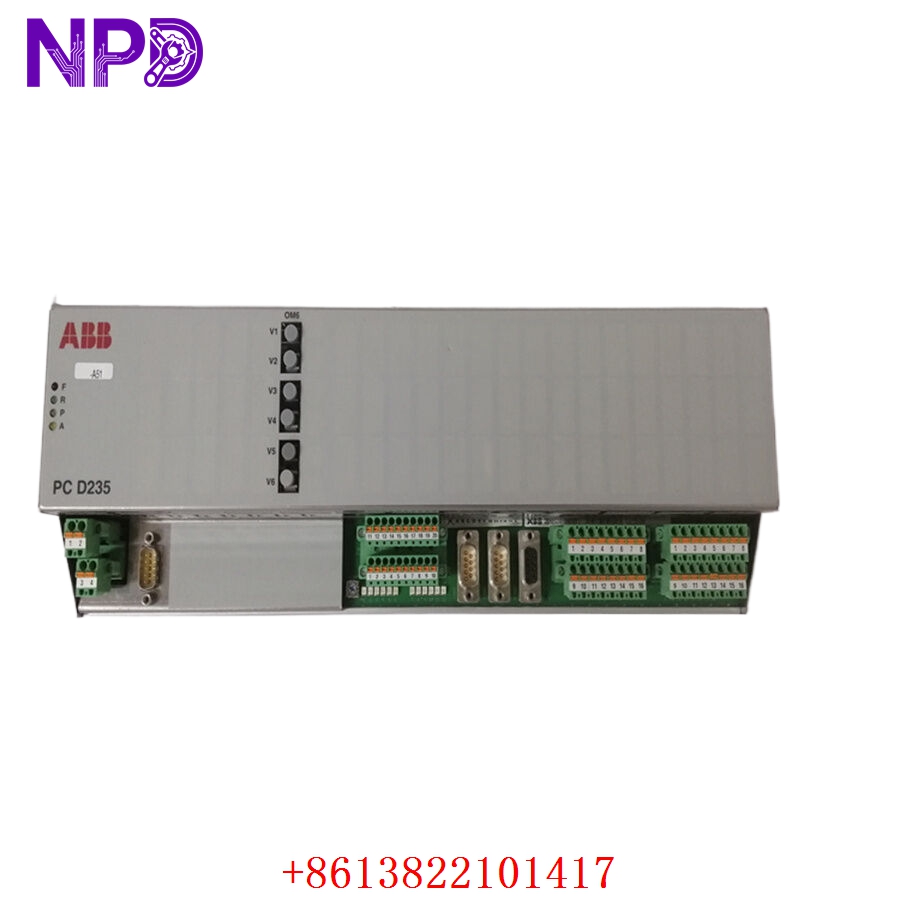
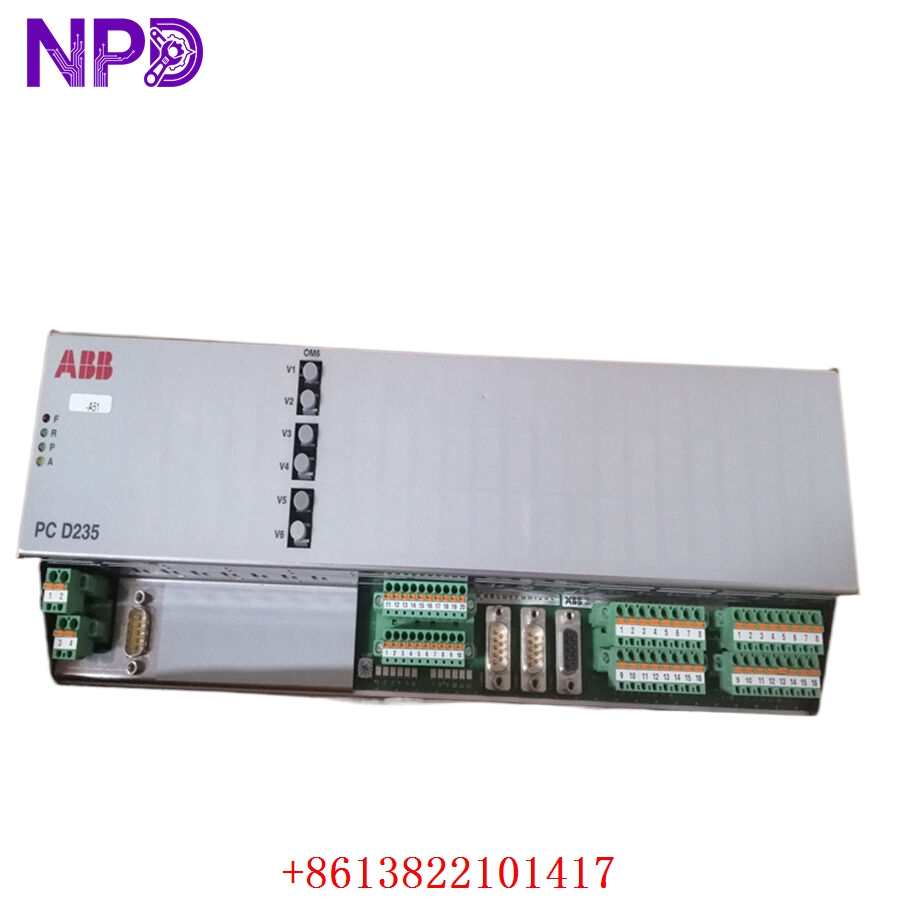
- Model: ABB PCD235A101
- Brand: ABB
- Series: Power Supply (Compatible with various ABB control/I/O systems)
- Core Function: Converts line voltage (AC) into regulated DC power for control logic, sensors, and I/O modules.
- Product Type: Power Supply Unit (PSU)
- Key Specs: Stable DC output, overload protection, industrial-grade thermal design
- Input Voltage: Standard industrial AC (typically 115/230 V AC auto-ranging)
- Output Voltage: Regulated DC (typically 24 V DC)
- Output Current: Capacity specified for control rack/module bus loads
- Protection: Integrated short-circuit, over-voltage, and over-temperature protection
- Thermal Management: Natural convection or forced air cooling (depending on rack integration)
- Status Indicators: Front-facing LEDs for “Power OK” and “Fault” diagnostics
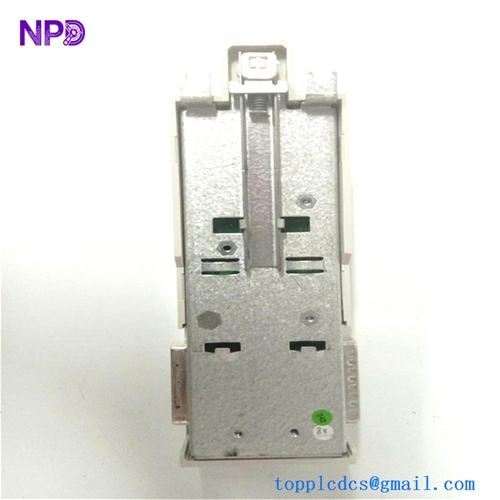
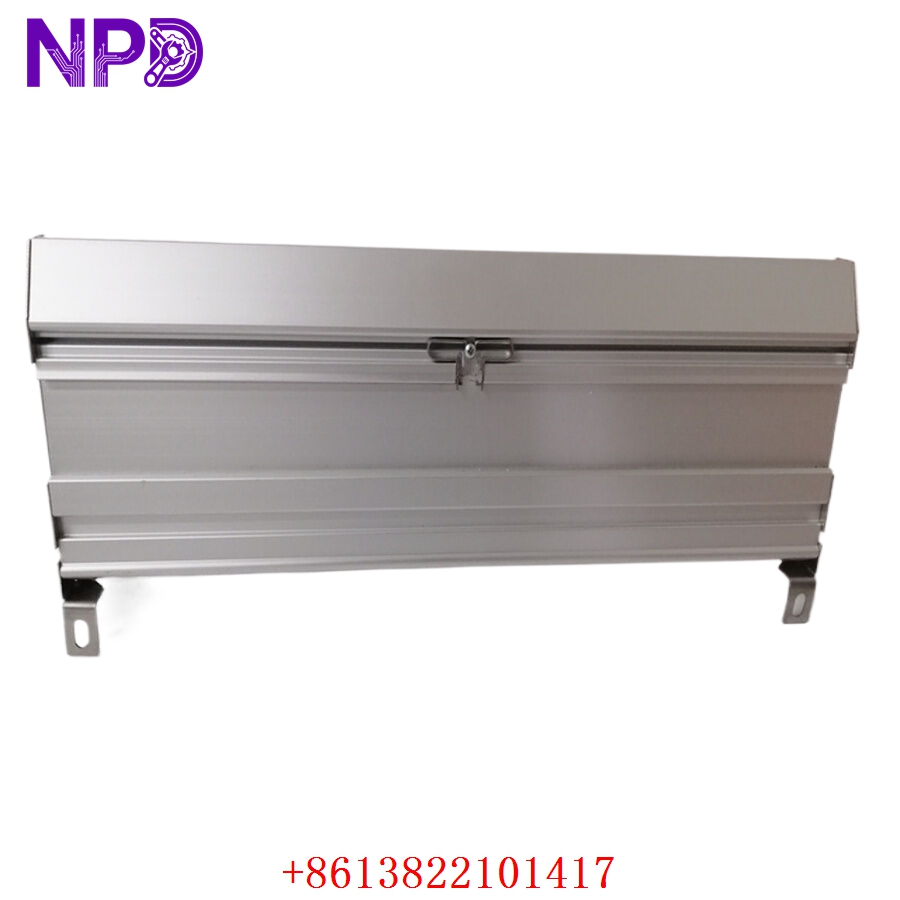
- Mounting: DIN-rail or rack-mounted module (compatible with specific ABB chassis)
Application Scenarios & Engineering Pain Points
The PCD235A101 is designed to provide stable, ripple-free power to sensitive PLC backplanes. The most significant engineering challenge with this module is “Inrush Current Management.” If multiple power supplies are turned on simultaneously upon system startup, they can trigger circuit breakers or create voltage dips that cause other system components to reset. Engineers often use sequenced power-up or high-capacity breakers to manage this surge.
Typical Application Scenarios:
- Manufacturing – PLC Control Cabinets Powers the backplane logic, communication interfaces, and low-voltage field sensors.
- Utilities – Remote Telemetry Provides stable 24 V DC power for remote controllers in distributed monitoring stations.
- Process Industry – Instrumentation Loops Supplies consistent voltage for field transmitters and signal converters.
Case Study: Resolving System Startup Dips A customer reported that their control system would intermittently freeze during the morning startup cycle. After testing the power bus, we found that the PCD235A101 was momentarily dropping below 21 V DC due to a massive inrush current from multiple modules starting simultaneously. By adding a time-delay relay to the auxiliary power sequence, we allowed the system to power up in stages, ensuring the voltage remained within the required 24 V DC stability range. The system has been stable ever since.
Troubleshooting Quick Reference
Don’t assume the power supply is “burnt out” if your PLC won’t start; always check the load side first.
| Failure Symptom | Possible Cause | Quick Check Method | Recommended Action |
|---|---|---|---|
| No Output Voltage | Internal Fuse/Trip | Measure DC output at terminals | Check for shorts on the DC bus |
| “Fault” LED Lit | Overload/Short | Disconnect DC output | If LED turns off, check the load |
| Voltage Ripple/Drop | Aging Capacitors | Measure output with Oscilloscope | Replace PSU (standard MTBF reached) |
| Intermittent Reset | High Inrush | Monitor voltage during startup | Check input source stability |
Engineer’s Note: ❗ Crucial Advice: Always verify the DC load current before installing. If your control cabinet has added new sensors or I/O modules since the system was originally commissioned, you may be pushing the PCD235A101 to its thermal limit. A power supply running at 95% capacity will fail significantly faster than one running at 70%.