
Description
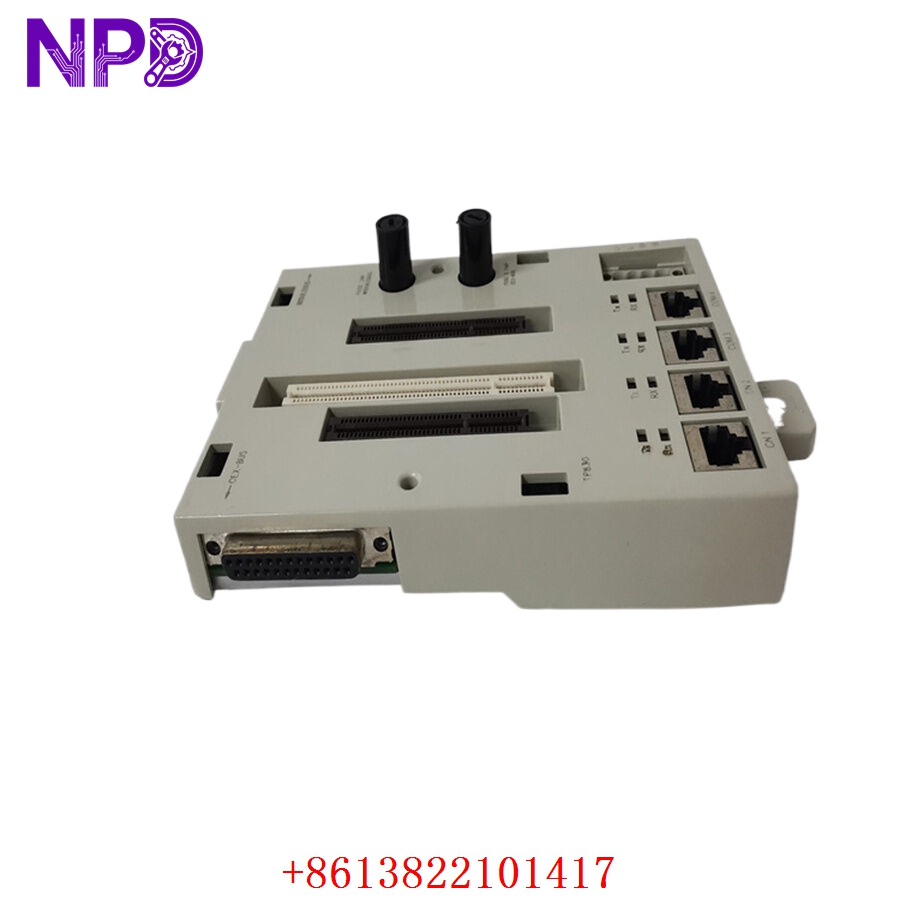
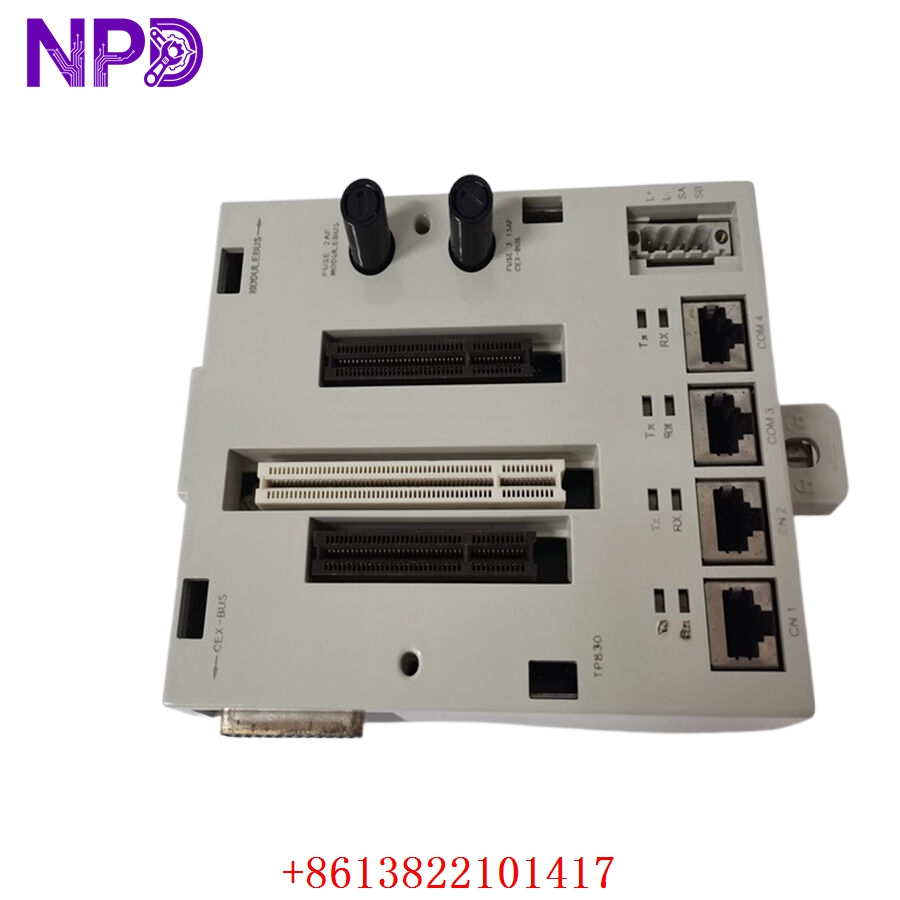
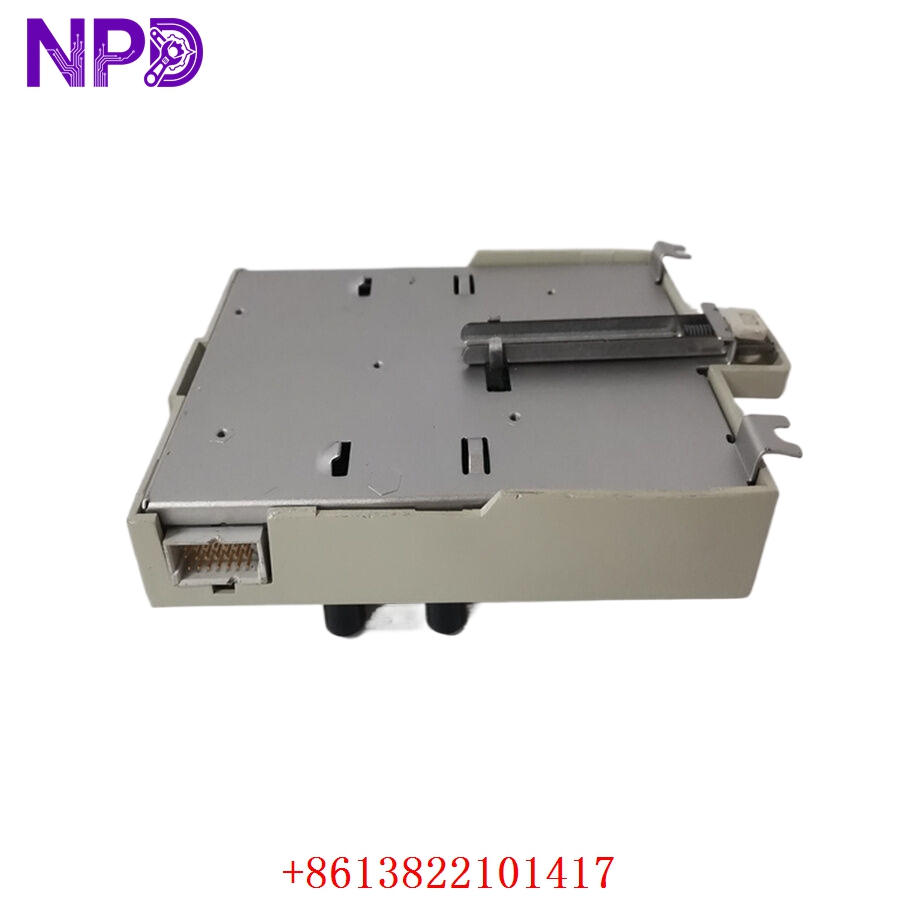
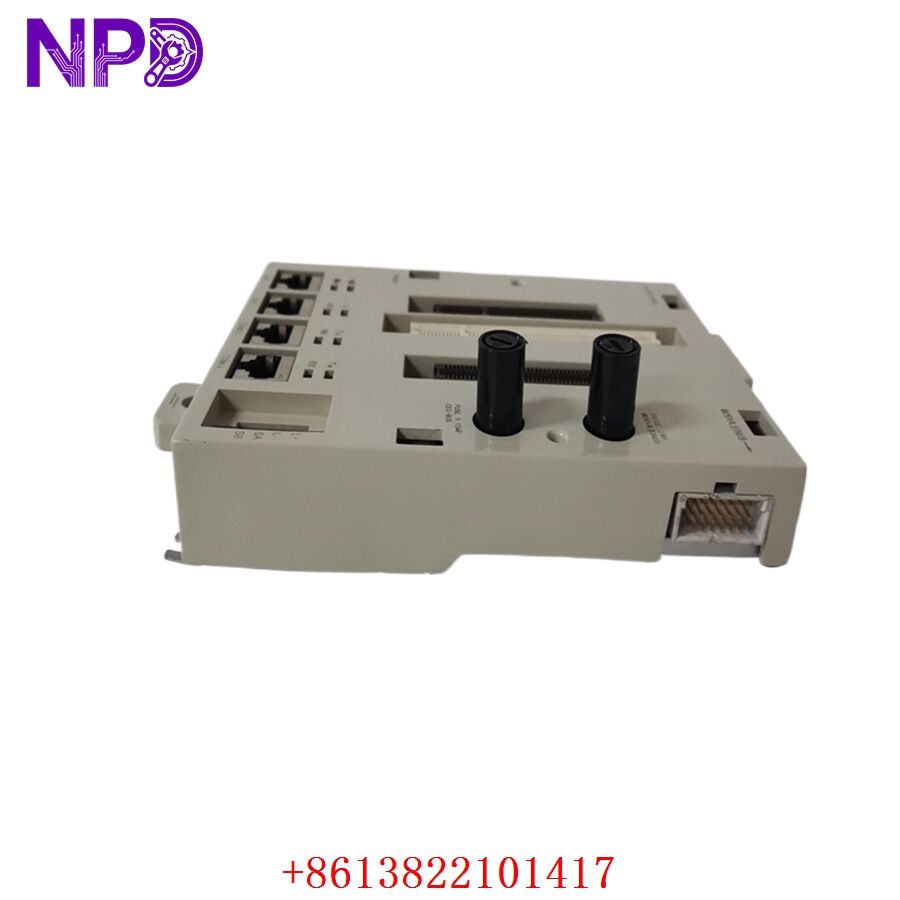
- Model: ABB TP830 (3BSE018114R1)
- Brand: ABB
- Series: AC800M / System 800xA
- Core Function: Mechanical and electrical baseplate for AC800M CPUs
- Product Type: Processor Module Baseplate / Backplane
- Key Specs: Supports PM851–PM867 CPUs 24 V DC distribution CEX-Bus integration
- Part Number: 3BSE018114R1
- Compatible Controllers: PM851, PM856, PM857, PM860, PM861, PM864, PM865, PM866, PM867
- System Compatibility: ABB AC800M / System 800xA
- Primary Function: CPU mounting and internal bus distribution
- Input Power Distribution: 24 V DC backplane distribution
- Communication Support: CEX-Bus and ModuleBus interface support
- Mounting Type: DIN rail or panel mounting
- Width: Approximately 115–119 mm
- Height: Approximately 189 mm
- Weight: Approximately 0.234 kg
- Operating Temperature: -25 °C to +70 °C
- Storage Temperature: -40 °C to +85 °C
- Installation Role: Processor baseplate for controller rack architecture
- Country of Origin: Sweden
Application Scenarios & Engineering Pain Points
People often focus on the AC800M CPU itself — PM861, PM864, PM866, and so on. But the TP830 baseplate quietly handles the physical and electrical integration behind the scenes. If this part develops damaged connectors, bent bus contacts, or grounding problems, the CPU can behave unpredictably even though the processor itself is healthy.
I’ve seen engineers replace an expensive PM866 controller only to discover the real issue was oxidation on the TP830 connector edge.
That’s an expensive lesson.
In large 800xA systems, especially older refinery or power plant installations, the TP830 becomes important because it ties together:
- Controller power distribution
- ModuleBus connectivity
- CEX-Bus communication expansion
- Mechanical CPU retention
And honestly… during shutdown maintenance, these baseplates take more abuse than the CPUs themselves.
Typical application scenarios:
- Petrochemical Plants – AC800M DCS Cabinets
Used as the processor mounting base for redundant process control CPUs handling continuous analog control loops. - Power Generation – Turbine Auxiliary Control
Supports PM86x controllers managing lube oil systems, cooling water, and auxiliary sequencing. - Water Treatment – Distributed Remote I/O Stations
Installed in compact AC800M panels with Ethernet and remote S800 I/O expansion. - Pharmaceutical Production – Batch Automation Systems
Used in validated 800xA systems requiring stable controller communication and long uptime. - Offshore Oil & Gas – Integrated Control and Safety Systems
Mounted inside vibration-resistant cabinets where redundant communication buses are required.
Real Integration Example – “CPU Fault” That Wasn’t a CPU Fault
A refinery expansion project in Southeast Asia experienced repeated watchdog alarms on a PM861 controller. Operators assumed the CPU was defective because the controller rebooted randomly under load.
Maintenance replaced the processor twice.
Same problem.
When we inspected the TP830 baseplate closely, we found slight discoloration around the ModuleBus connector area. One locking clip had loosened after years of cabinet vibration. Under thermal expansion, communication between the CPU and attached communication module became intermittent.
Symptoms included:
- Random controller resets
- CEX-Bus communication loss
- Intermittent CI854 Profibus failure
- “Controller not reachable” alarms in 800xA
We replaced the TP830, cleaned all connector surfaces, and re-terminated grounding points.
System stabilized immediately.
That’s why experienced DCS engineers never troubleshoot only the CPU. The baseplate matters too.
Compatible Replacement Models
✅ Direct Replacement (Recommended)
- ABB TP830 (3BSE018114R1)
- Same electrical and mechanical layout
- Direct fit for PM851–PM867 family
- No software modification required
- ABB TP830 Baseplate Revision Variants
- Minor production revisions exist
- Usually fully compatible
- Verify connector condition and hardware revision before installation
⚠️ Software / Hardware Review Required
- ABB TP857 / TP858 Related Mounting Variants
- Similar architecture
- May differ in bus handling or redundancy layout
- Engineering verification recommended
- Migration to PM89x Platforms
- Requires Control Builder project review
- Rack architecture may differ
- Often requires firmware and library migration
❌ Hardware Modification Required
- ABB AC500 Platform
- Completely different control family
- Different I/O architecture
- Different engineering software
- Requires full cabinet redesign
- Third-Party PLC Backplanes
- No compatibility with AC800M CPU interfaces
- No ModuleBus/CEX-Bus support
- Cannot replace TP830 mechanically or electrically
My recommendation?
If the plant still operates stable AC800M hardware, keep spare TP830 units in stock together with the CPU modules. During emergency outages, damaged baseplates delay recovery more often than people expect.
Troubleshooting Quick Reference
| Fault Symptom | Possible Cause | TP830 Relevance | Quick Check Method | Recommended Action |
|---|---|---|---|---|
| CPU not detected | Poor baseplate contact | ✅ High | Reseat CPU and inspect connector pins | Replace TP830 if contacts damaged |
| Random controller resets | Bus instability | ✅ High | Check ModuleBus diagnostics | Inspect backplane connectors |
| Communication module offline | CEX-Bus contact issue | ✅ High | Check CI module LEDs and seating | Verify TP830 connector integrity |
| CPU RUN LED red | CPU fault or backplane issue | ⚠️ Medium | Test CPU on known-good TP830 | Isolate faulty component |
| Intermittent Ethernet communication | Grounding/shield issue | ⚠️ Medium | Verify cabinet grounding | Re-terminate shield connections |
| No power to CPU | 24 V DC distribution issue | ⚠️ Medium | Measure DC voltage at baseplate | Check power feed and fuse |
| Controller works after cabinet tap | Mechanical looseness | ✅ High | Inspect mounting clips | Replace damaged baseplate |
| I/O expansion unstable | ModuleBus signal degradation | ✅ High | Check TB820/TB840 links | Inspect TP830 connectors |
Common Engineering Pitfalls
❗ This is where people get careless.
Because the TP830 looks like “just a mounting plate,” technicians sometimes swap CPUs without checking the baseplate condition.
Big mistake.
The most common field problems:
- Bent connector pins during hurried maintenance
- Loose DIN rail grounding
- Incorrect CEX-Bus module seating
- Oxidized edge connectors
- Cracked plastic retainers after repeated CPU swaps