Description
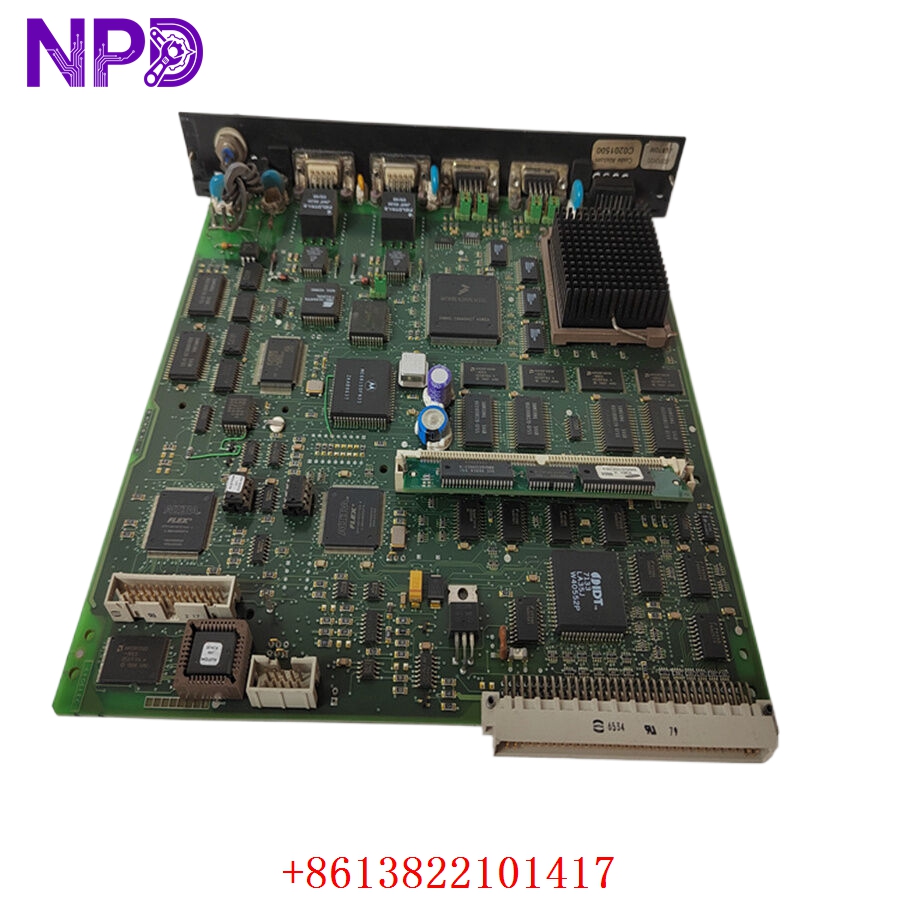
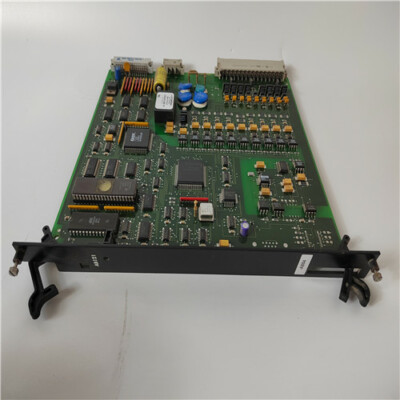
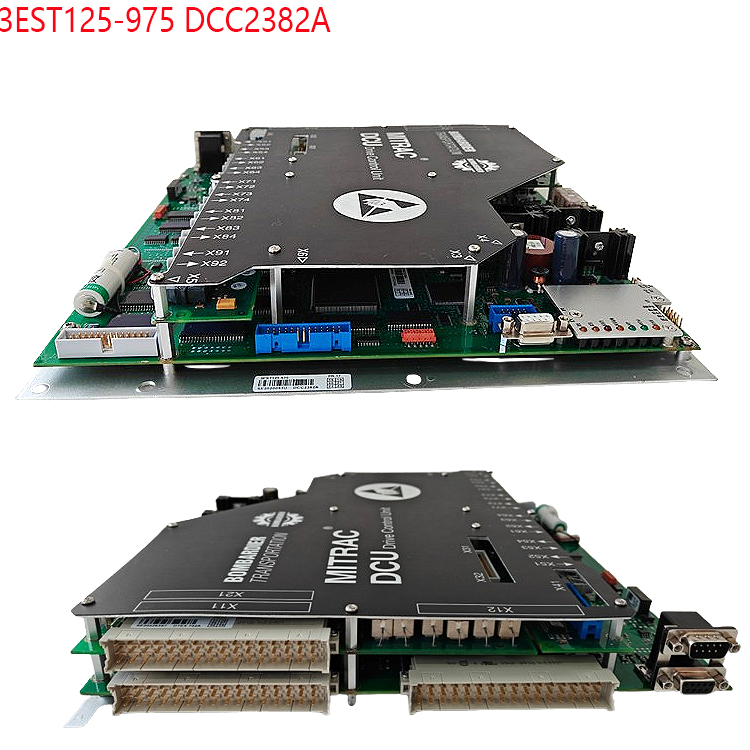
The ALSTOM AM164 is a high-performance, industrial-grade High Frequency Power Controller and IO Rack Module engineered for demanding processing environments. Built with a rugged steel frame structural design, this module acts as a core processing and routing hub for data acquisition, continuous combustion systems, and high-frequency power supply units. It features a highly stable embedded architecture, advanced multi-mode switching capabilities, and multi-channel analog inputs with high bit-width conversion. Designed to meet strict railway and heavy industrial standards, the AM164 delivers superior electromagnetic compatibility (EMC) immunity, ensuring seamless execution, minimal signal distortion, and high operational life in extreme environments.
Product Specifications
- Model Number: AM164
- Manufacturer: ALSTOM
- Product Series: 800 Series / Industrial Control Platform
- Function: High Frequency Power Controller / Rack I/O Module
- Dimensions: 55 mm x 105 mm x 120 mm (Compact modular form factor)
- Weight: 0.80 kg (1.76 lbs)
- Country of Origin: France
- Analog Inputs: 4 channels (0 to 10V range, 16-bit resolution)
- High-Speed Counters: 2 channels for high-frequency pulse measurement
- Supported Languages: Sequential Function Chart (SFC), Ladder Diagram (LD)
- Operating Temperature: -10°C to +60°C (Extended industrial variants up to +70°C)
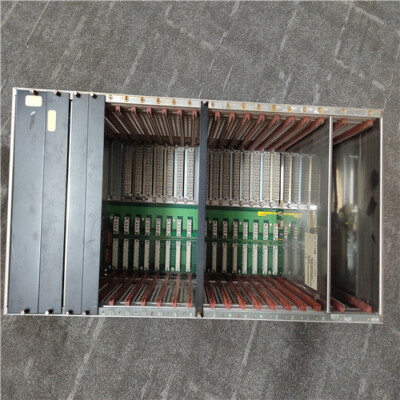
ALSTOM AM164
Applications
- Rail Transit Systems: Integrated within onboard train traction systems, braking controls, signal processing units, and high-voltage power distribution networks.
- Industrial Plasma & Semiconductor Equipment: Provides precise high-frequency power path management for semiconductor manufacturing systems including etching, RIE, PECVD, and ICP hardware.
- Dielectric and Induction Heating: Manages power supply stabilization loops for continuous high-frequency induction heating lines in heavy metallurgy.
- Power Grid & Energy Management: Deployed within substation automation systems, remote terminal units (RTUs), and power plant combustion status detection systems.
Product Usage Instructions
- Physical Mounting: Ensure the target master cabinet or subrack assembly is powered off. Slide the AM164 module smoothly into its designated chassis alignment rails until the backend multi-pin interface aligns tightly into the main system backplane. Secure via the integrated locking framework.
- Wiring Configurations: Connect your 0-10V sensor lines or high-speed encoder leads to the specific front-facing terminal channels. Ensure all high-frequency signal shielding is anchored properly to a low-impedance ground rail to prevent cross-talk.
- Network & Node Setup: Configure the communication bus settings (such as Modbus or IEC protocols) via your system configuration software platform. Assign a unique node identification address and select the appropriate baud rate that matches your system architecture.
- Redundancy Implementation: For safety-critical transit or power applications, pair the AM164 with a secondary identical module in a dual-channel configuration. The internal logic will handle real-time hot-standby switching over the redundant communication channels without signal dropout.
Frequently Asked Questions (Q&A)
- Q: What is the benefit of the 16-bit resolution on the 4 analog input channels?
A: The 16-bit resolution provides high granularity, allowing the controller to detect extremely minute changes in voltage. This precise tracking is critical for high-frequency power control and plasma applications where process stability relies on micro-level adjustments.
- Q: Can the AM164 module be deployed in environments subject to severe vibrations, such as locomotives?
A: Yes, the AM164 features a heavy-duty mechanical frame and complies with rigorous international transport standards (such as EN50155 compliance pathways), making it highly resilient against sustained vibrations and shock profile sags.
- Q: How does the controller module handle diagnostics and status logging?
A: The module contains integrated intelligent diagnostic algorithms that continuously track I/O health, processing cycle periods, and communication integrity. Any parameters falling outside designated boundary values are flagged and reported immediately to the upstream master SCADA or HMI platform.
- Q: Does this hardware module require an external cooling fan configuration?
A: While designed to function under standard passive convective airflows within its default temperature boundaries, heavy-duty processing cycles or high-density rack configurations inside sealed enclosures may require auxiliary forced-air cooling to maintain peak efficiency.