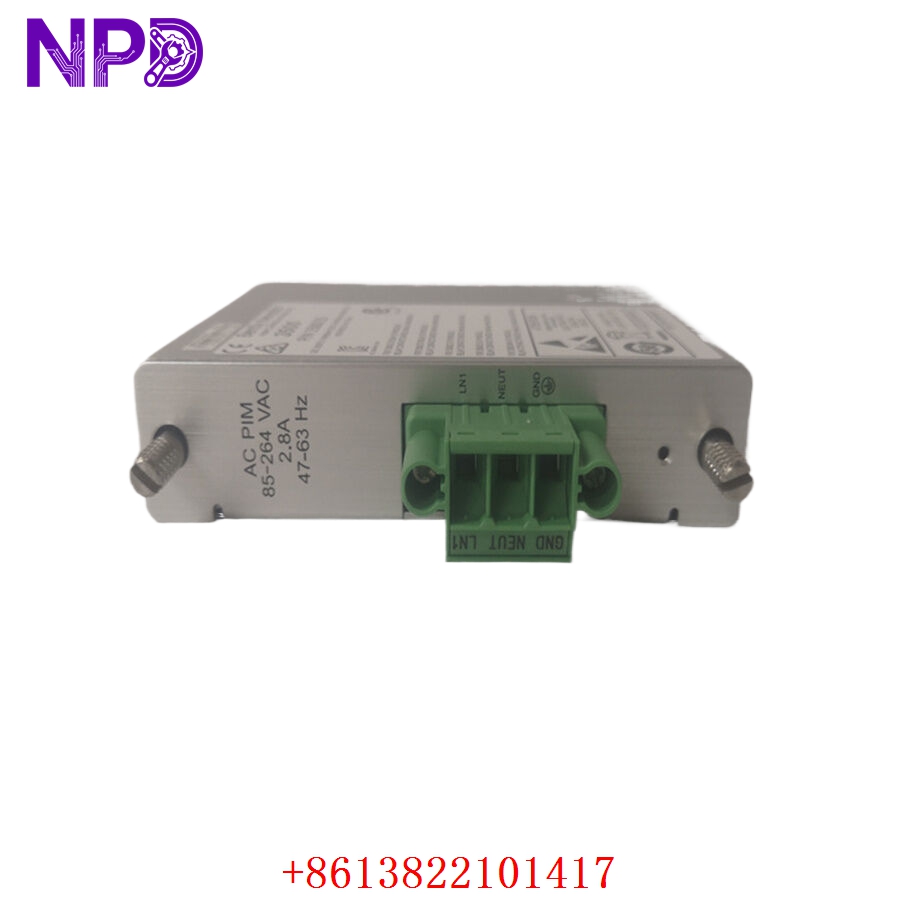
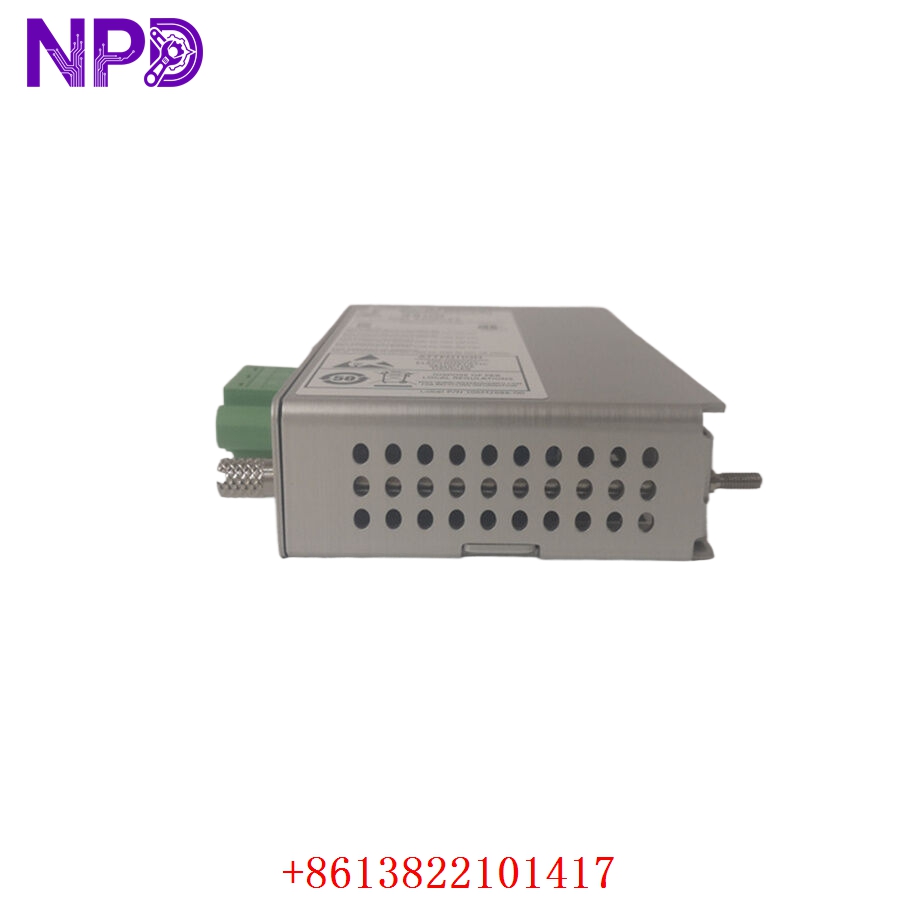

Description
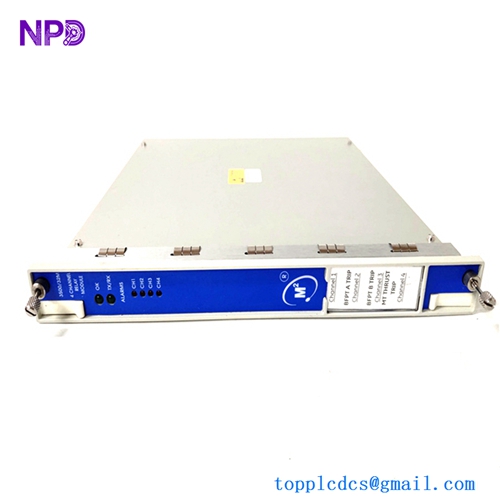
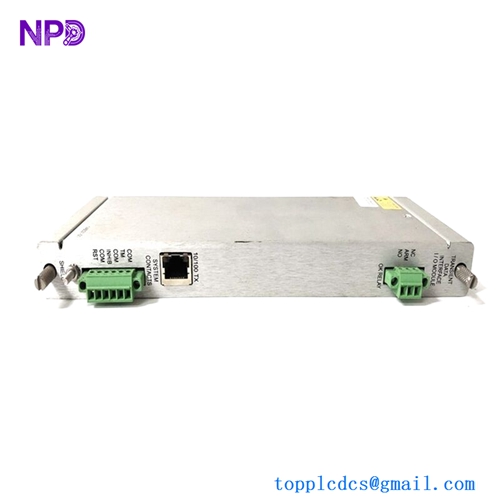
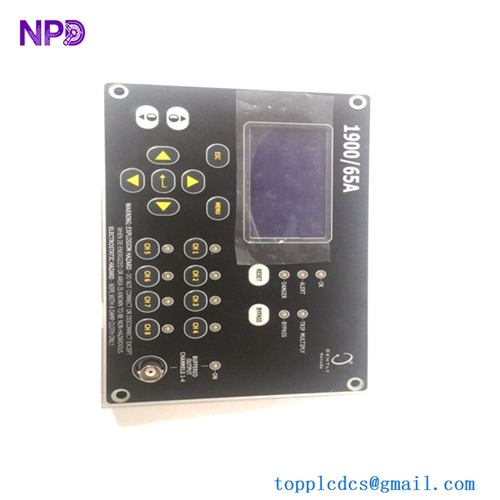
- Model: BENTLY 3500/15 106M1079-01
- Brand: Bently Nevada (Baker Hughes)
- Series: 3500 Machinery Protection System
- Core Function: Supplies regulated rack power for 3500 monitoring systems
- Product Type: Universal AC Power Supply Module
- Key Specs: 85–264 VAC input Redundant configuration Hot-swappable
- Input Voltage Range: 85–264 VAC rms (non-hazardous area)
- Hazardous Area Input Range: 85–250 VAC rms
- Input Frequency: 47–63 Hz
- Output Voltage: Regulated 24 V DC backplane distribution
- Maximum Rack Current: 2.8 A rms
- Module Type: Half-height rack-mounted PSU
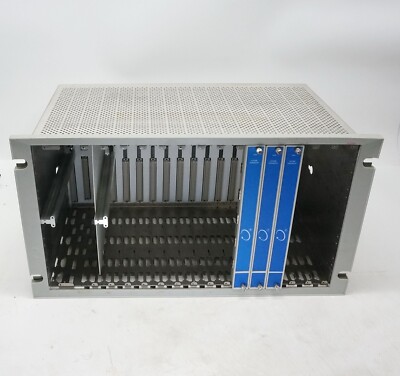
- Rack Compatibility: Bently Nevada 3500 series racks
- Redundancy Support: Dual power supply failover supported
- Hot-Swap Capability: Supported when redundant PSU installed
- Operating Temperature: -30 °C to +65 °C
- Storage Temperature: -40 °C to +85 °C
- Dimensions: 120.7 × 50.8 × 251.5 mm
- Weight: Approximately 1.39 kg
- Approvals: CSA / ATEX / IECEx depending on revision
- Installation Slot: Dedicated left-side PSU slot in 3500 rack
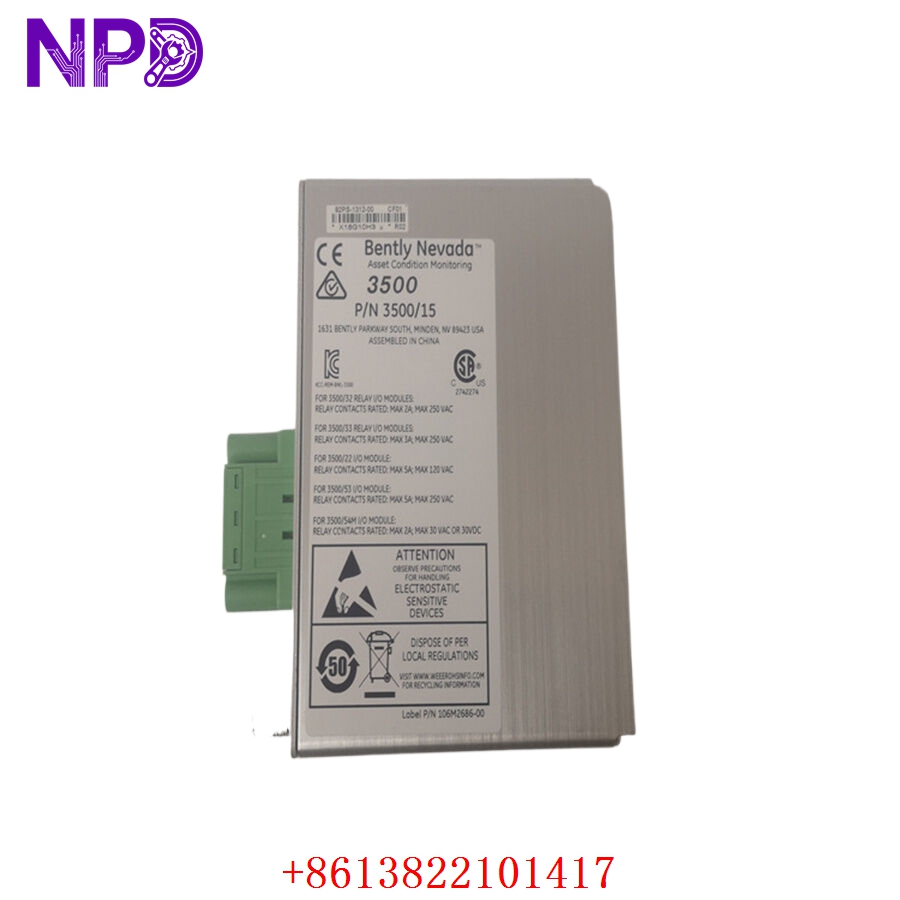
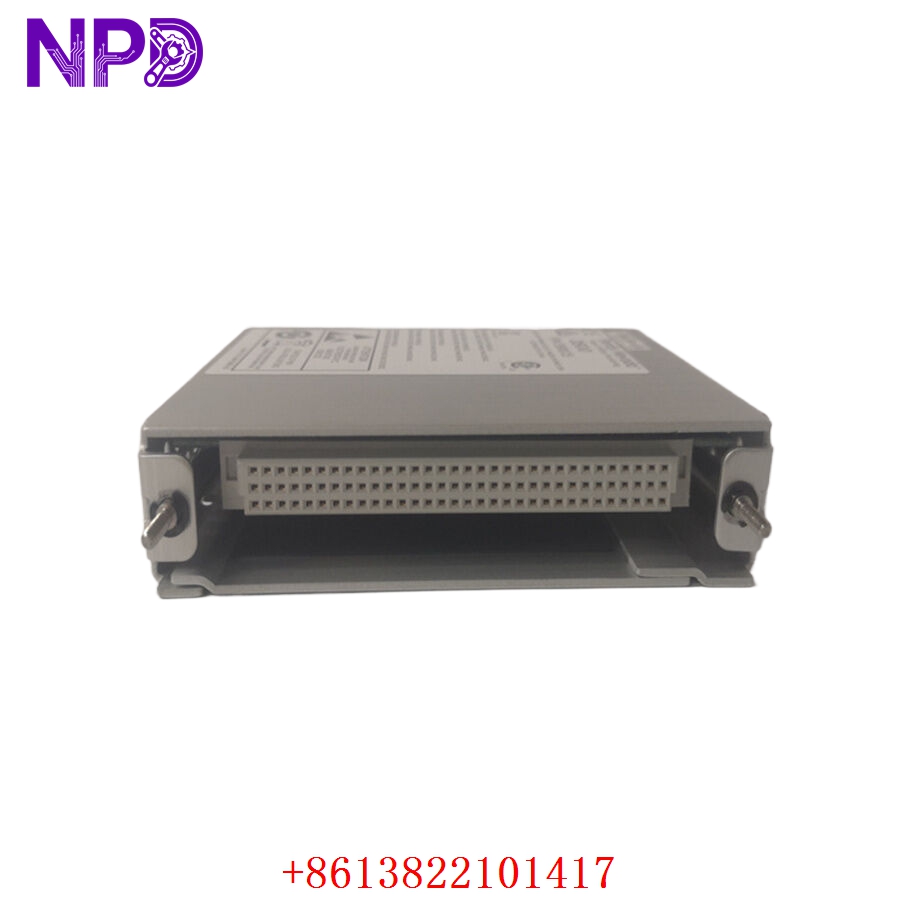
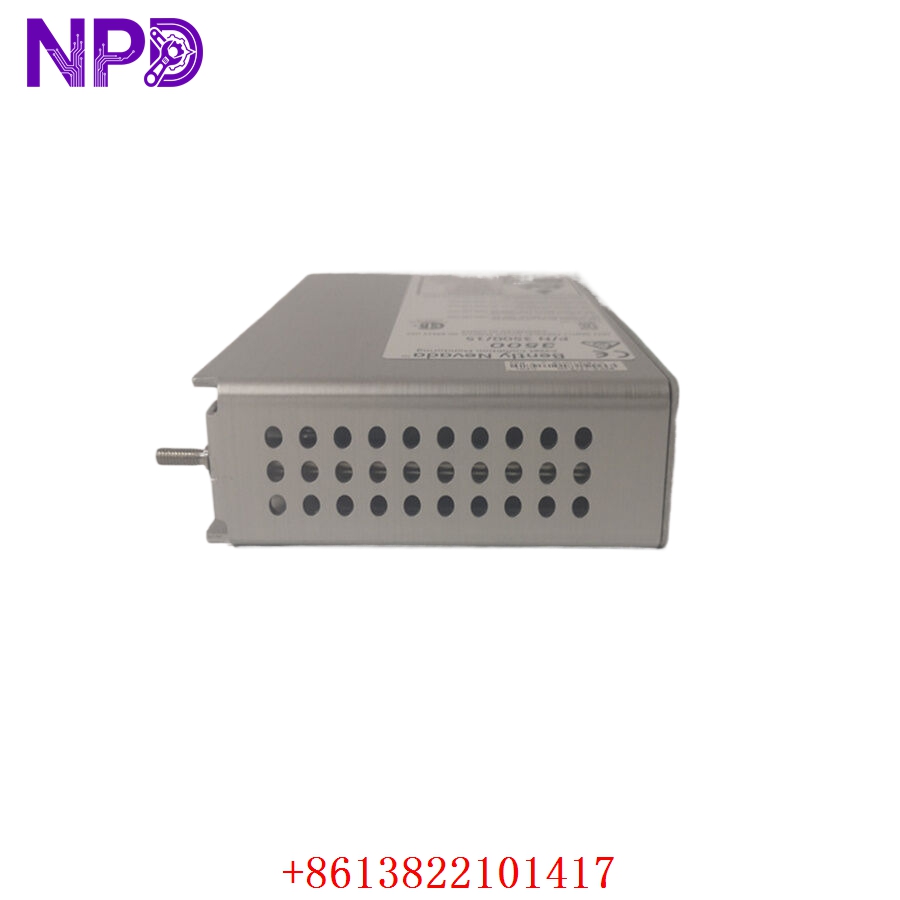
Application Scenarios & Engineering Pain Points
In turbine monitoring systems, engineers usually focus on the vibration monitors, proximitors, and relay outputs. But honestly… the power supply module is the silent failure point nobody talks about until the rack suddenly goes dark.
The 3500/15 106M1079-01 sits at the far-left side of the rack and feeds the entire monitoring system. If this module becomes unstable, you may see random monitor resets, intermittent TDI communication failures, or false machinery alarms. I’ve seen operators waste hours troubleshooting sensors when the actual culprit was a weak PSU output ripple.
And here’s the dangerous part: the module can still show a healthy LED while failing under dynamic load.
Typical application scenarios:
- Power Generation – Steam Turbine Protection
Supplies stable rack power for shaft vibration, thrust, and eccentricity monitoring systems required by API 670 machinery protection standards. - Oil & Gas – Compressor Monitoring Skids
Installed in compressor control panels where redundant power architecture prevents nuisance trips during utility fluctuations. - Petrochemical Plants – Critical Rotating Equipment
Used in refinery pumps, blowers, and process compressors requiring continuous vibration protection. - LNG Facilities – High Availability Monitoring Systems
Supports redundant machinery health monitoring racks integrated with DCS and ESD systems. - Marine & Offshore Platforms – Turbomachinery Cabinets
Handles unstable utility conditions better than older legacy AC supplies due to universal AC input support.
Real Project Example – False Vibration Trips During Startup
A gas turbine site in Southeast Asia experienced repeated “Danger” alarms during startup sequences. Maintenance initially suspected bad proximity probes because the readings spiked randomly during acceleration.
But the strange thing was this:
- Probe calibration checked out fine
- Signal wiring was shielded correctly
- Rack monitors passed diagnostics
We connected a portable oscilloscope to the rack DC distribution line and found voltage ripple spikes during high rack loading.
The root cause?
An aging 3500/15 106M1079-01 power supply.
Under transient load conditions, internal capacitors could no longer maintain stable DC output. The monitors interpreted the noise as shaft vibration instability.
After replacing the PSU pair and rebalancing the redundant feeds:
- False trips disappeared
- Startup reliability returned
- Operators stopped bypassing alarms manually
That last part matters. Once operators stop trusting the protection system, the plant becomes dangerous.
Compatible Replacement Models
✅ Direct Replacement (Recommended)
- Bently Nevada 127610-01
- Official replacement relationship referenced by multiple suppliers
- Same rack mounting arrangement
- Same universal AC input behavior
- Usually no cabinet modification required
- Bently Nevada 3500/15 Universal AC PSU (same revision family)
- Compatible with standard 3500 racks
- Supports redundant failover logic
- Verify revision suffix before installation
⚠️ Software / Hardware Review Required
- 3500/15 High Voltage DC PSU Versions
- Mechanically compatible
- Different power input architecture
- Requires DC utility availability
- Check existing Power Input Module (PIM)
- Legacy 3500 AC Power Supplies
- Older PIM interface versions
- Not fully interchangeable with universal AC versions
- Backplane compatibility must be verified
❌ Hardware Modification Required
- Generic DIN Rail Industrial PSUs
- Cannot interface directly with 3500 rack architecture
- No integrated redundancy switchover logic
- Would require external wiring modifications
- Not acceptable for API 670 critical protection systems
From an integration standpoint, my recommendation is simple:
If your plant already runs the universal AC platform, stay with the same 106M1079-01 family. Mixing legacy AC and newer universal AC hardware inside one maintenance inventory creates confusion during emergency shutdown work.
Troubleshooting Quick Reference
| Fault Symptom | Possible Cause | Module Relevance | Quick Check Method | Recommended Action |
|---|---|---|---|---|
| Entire 3500 rack offline | No AC input | ❌ Low | Measure PSU input terminals | Check upstream breaker/fuse |
| Rack powers up then reboots | PSU instability | ✅ High | Monitor DC output under load | Replace PSU |
| TDI communication intermittent | DC ripple/noise | ✅ High | Check output ripple with scope | Replace aging module |
| One PSU LED off in redundant rack | Failed secondary PSU | ✅ High | Swap PSU positions | Replace faulty supply |
| Rack alarms during motor startup | Input sag | ⚠️ Medium | Measure incoming AC dip | Add UPS or conditioning |
| PSU excessively hot | Ventilation blocked | ⚠️ Medium | Inspect airflow and fan filters | Improve cooling |
| Random monitor resets | Capacitor degradation | ✅ High | Thermal/load stress test | Replace module |
| Rack remains operational after PSU removal | Normal redundant operation | ❌ None | Confirm second PSU active | No action required |
Engineering Pitfalls You Should Not Ignore
❗ Firmware mismatch is less common here because this is a power module, not a CPU. But hardware compatibility mistakes? Very common.
The biggest traps I keep seeing:
- Mixing legacy PIMs with universal AC PSUs
- Installing the PSU into the wrong half-slot position
- Forgetting redundant feed separation
- Shared grounding between vibration and power cabling
And here’s another one…
People assume “hot swap” means “safe to yank anytime.” Not exactly.
Hot swap only works properly when:
- The secondary PSU is healthy
- Load sharing is balanced
- Rack current stays below threshold
I watched a contractor remove the primary PSU during full rack loading while the backup supply was already degraded. Whole turbine protection rack rebooted instantly.