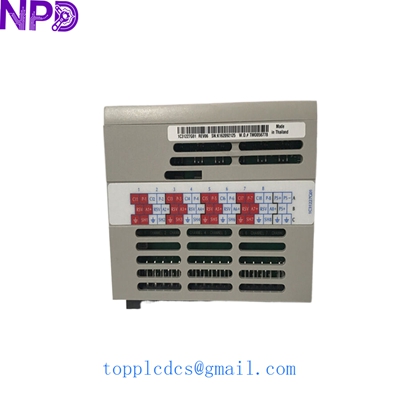
Description
- Model: KJ2005X1-BK1 (Commonly associated with SE3007 and 12P4688X032)
- Brand: Emerson (DeltaV Process Automation)
- Series: DeltaV S-Series/Electronic Marshalling (I/O Infrastructure)
- Core Function: Provides the physical termination point for field wiring, connecting sensors and actuators to the DeltaV I/O cards.
- Product Type: Terminal Block / Field Termination Assembly (FTA)
- Key Specs: Ruggedized design, high-density connection, keyed for specific I/O module compatibility
- Function: Passive termination base for I/O modules
- Connection: Screw or spring-clamp terminals (varies by revision)
- Compatibility: S-Series I/O controllers and specific personality modules
- Keying: Physically keyed to prevent insertion of incompatible I/O modules (protects field circuitry)
- Environmental: Designed for installation in marshaling cabinets
- Shielding: Integrated ground bar support for cable shielding
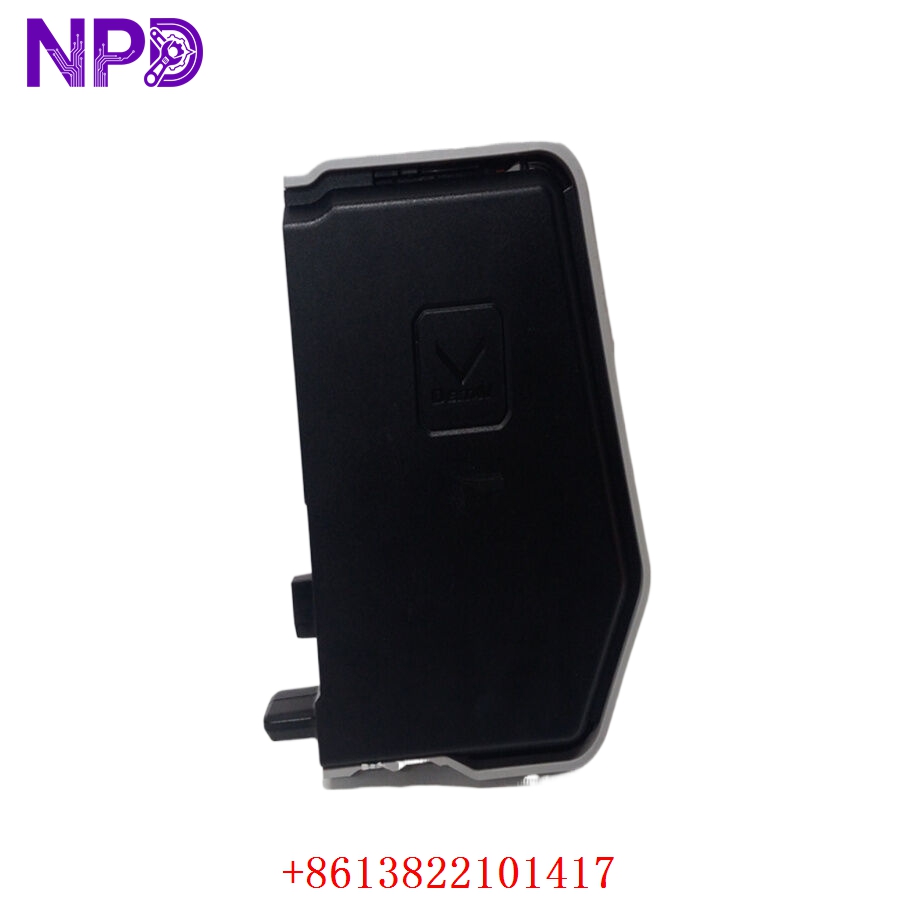
EMERSON SE3007 12P4688X032 0022E51FB6DA KJ2005X1-BK1
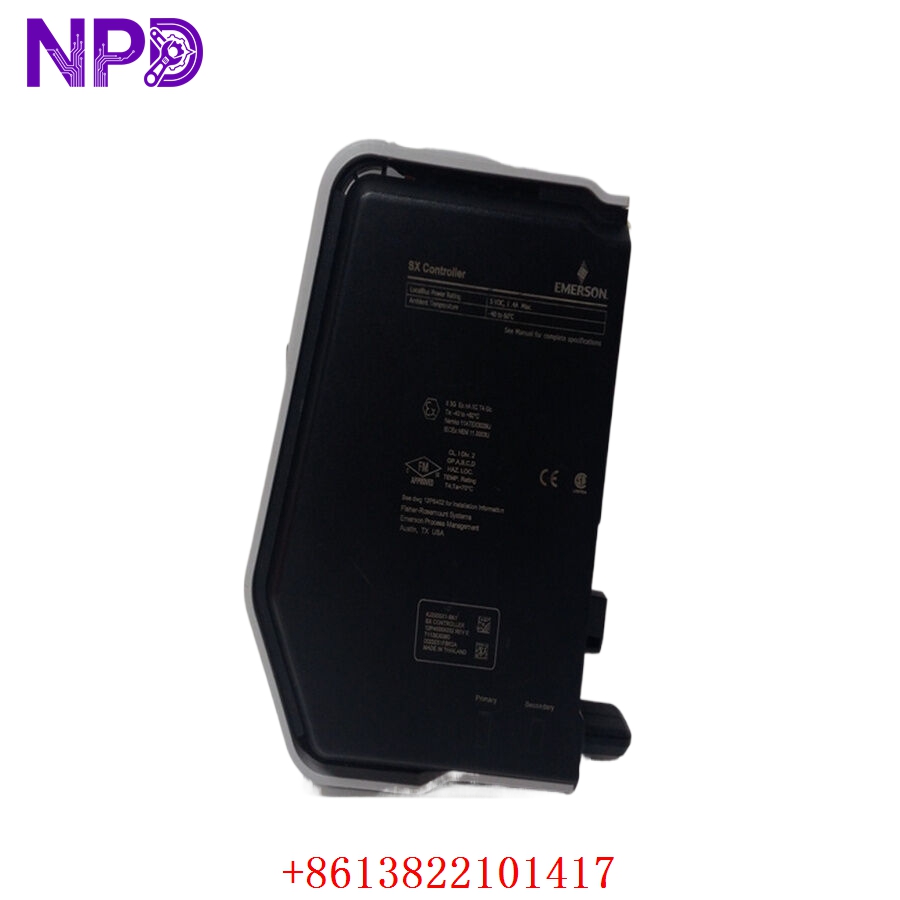
EMERSON SE3007 12P4688X032 0022E51FB6DA KJ2005X1-BK1
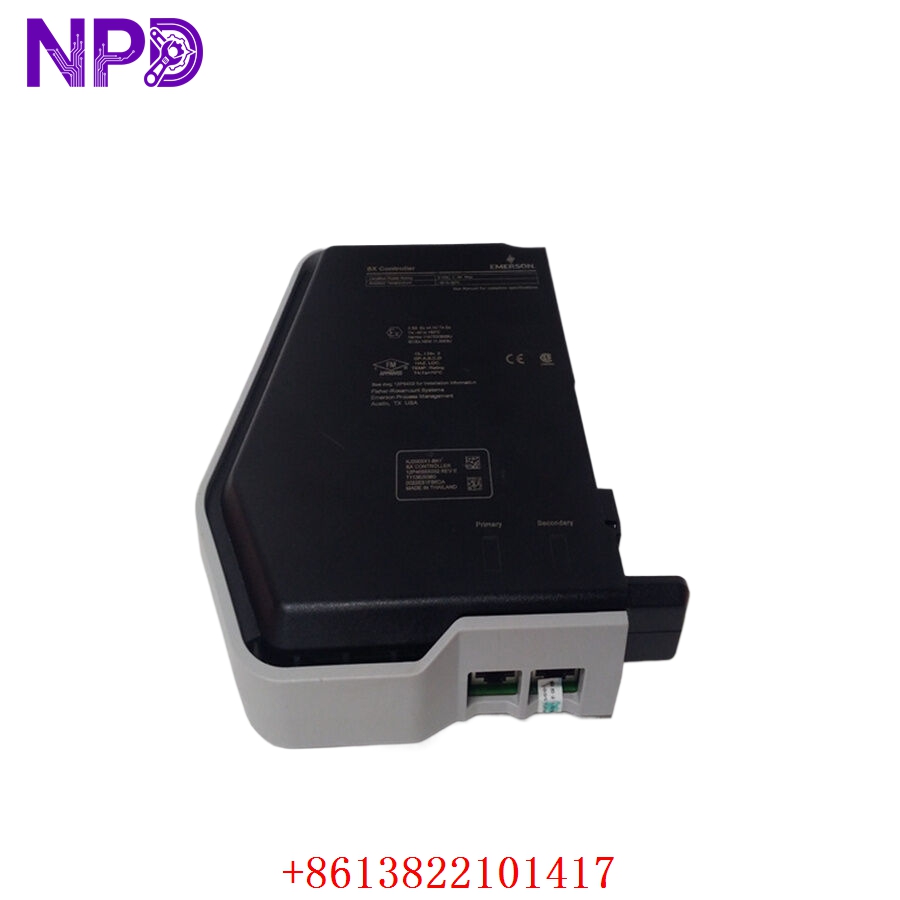
EMERSON SE3007 12P4688X032 0022E51FB6DA KJ2005X1-BK1
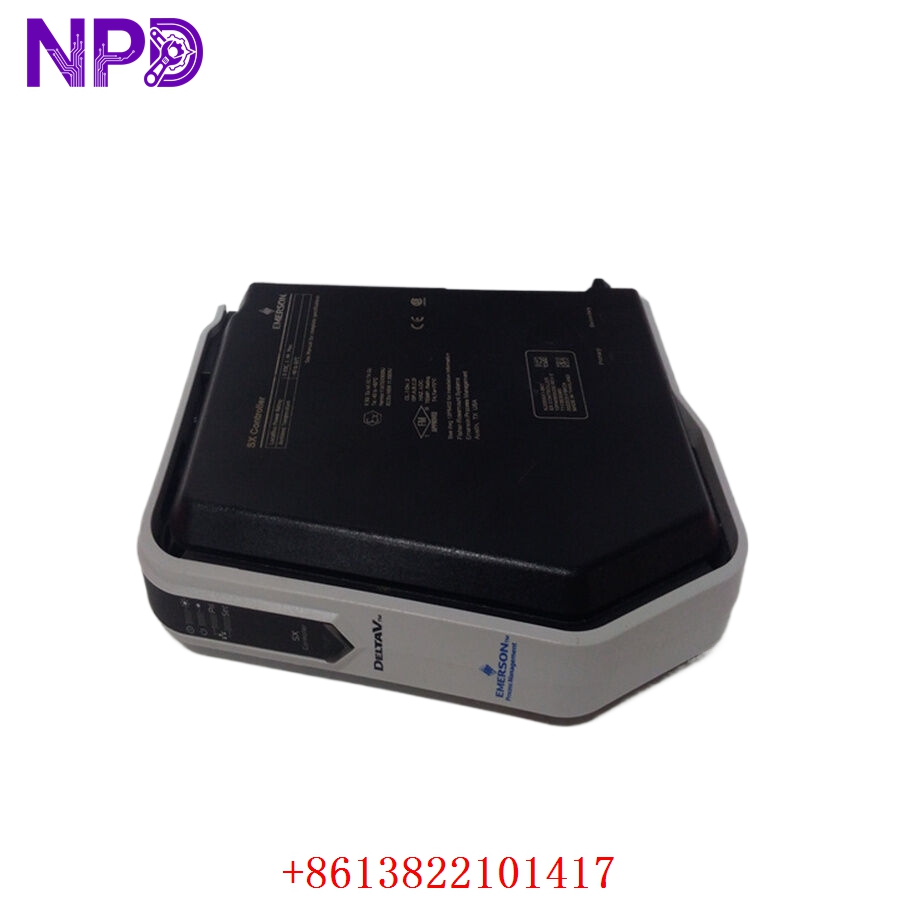
EMERSON SE3007 12P4688X032 0022E51FB6DA KJ2005X1-BK1
Application Scenarios & Engineering Pain Points
The KJ2005X1-BK1 is a foundational piece of the DeltaV architecture. The primary engineering challenge with these units is “Terminal Strip Corrosion” and “Vibration Loosening.” In heavy industrial environments, terminal screws can lose torque over time due to thermal cycling and physical vibration, leading to high-resistance connections. This often manifests as intermittent “Signal Faults” or “Bad PV” (Process Value) errors in the DeltaV workstation.
Typical Application Scenarios:
- Refining & Chemical – Distributed I/O Provides stable field terminations for hundreds of control loops in a central marshaling cabinet.
- Power Generation – Boiler Control Interfaces field sensors (RTDs, thermocouples, pressure transmitters) to the DeltaV controller cards.
- Pharmaceutical – Batch Processing Supports precise wiring configurations for complex multi-product control skids.
Case Study: Intermittent Signal Loss A large chemical plant reported “flapping” I/O signals that would randomly go into “Bad” status. Upon inspection, it was discovered that the field wires connected to the KJ2005X1-BK1 had undergone “cold flow” (wire deformation under screw pressure) over five years of operation. By systematically re-torquing the terminals and replacing the degraded wires, the intermittent signal losses ceased immediately.
Troubleshooting Quick Reference
Don’t assume the DeltaV I/O card is faulty if you see a “Bad PV” alarm. The problem is usually at the termination point.
| Failure Symptom | Possible Cause | Quick Check Method | Recommended Action |
|---|---|---|---|
| “Bad PV” / Comm Fault | Poor Terminal Contact | Check voltage at terminal block | Re-torque screws; check for oxidation |
| Signal Drift | Ground/Shield Fault | Inspect shield grounding bar | Ensure shield drain is tight |
| Erroneous State | Terminal Looseness | Tug test wires at the block | Re-strip wire and re-terminate |
| Module Not Detected | Backplane Pin Issue | Inspect module connector pins | Ensure terminal block is fully seated |
Engineer’s Note: ❗ Crucial Advice: Always verify the keying pin position. If you are replacing a terminal block, ensure the keying plastic insert on the KJ2005X1-BK1 matches the one on the failed unit. Forcing a module into a block with different keying can bend the I/O pins and permanently damage the I/O card.