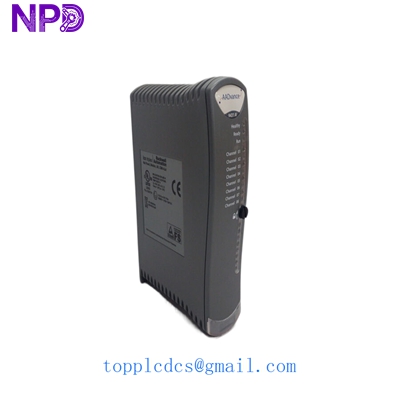
Description
- Model: ICS TRIPLEX T9432
- Brand: ICS Triplex / Rockwell Automation
- Series: AADvance® Safety Controller System
- Core Function: Acquires isolated analog field signals for safety systems
- Product Type: Analog Input Module
- Key Specs: 16 isolated AI channels, 0–24 mA input, SIL3 architecture
- Module Type: Safety Analog Input Module
- System Platform: AADvance® Safety Controller
- Channel Count: 16 isolated analog input channels
- Input Signal Range: 0 mA to 24 mA current input
- Nominal Signal Range: 4–20 mA process instrumentation
- Safety Integrity: IEC 61508 SIL3 capable
- Resolution: 12-bit analog resolution
- Measurement Accuracy: ±0.05 mA typical at 25 °C
- Isolation Protection: Channel-to-channel and channel-to-chassis isolation
- Supply Voltage: 18–32 VDC redundant supply range
- Power Consumption: Approx. 2.2 W to 4.0 W depending on configuration
- Communication Support: HART Command #03 support
- Hot Swap Capability: Supported in fault-tolerant configurations
- Operating Temperature: Typically 0 °C to 60 °C industrial rating
- Dimensions: Approx. 166 × 42 × 118 mm
- Weight: Approx. 340 g
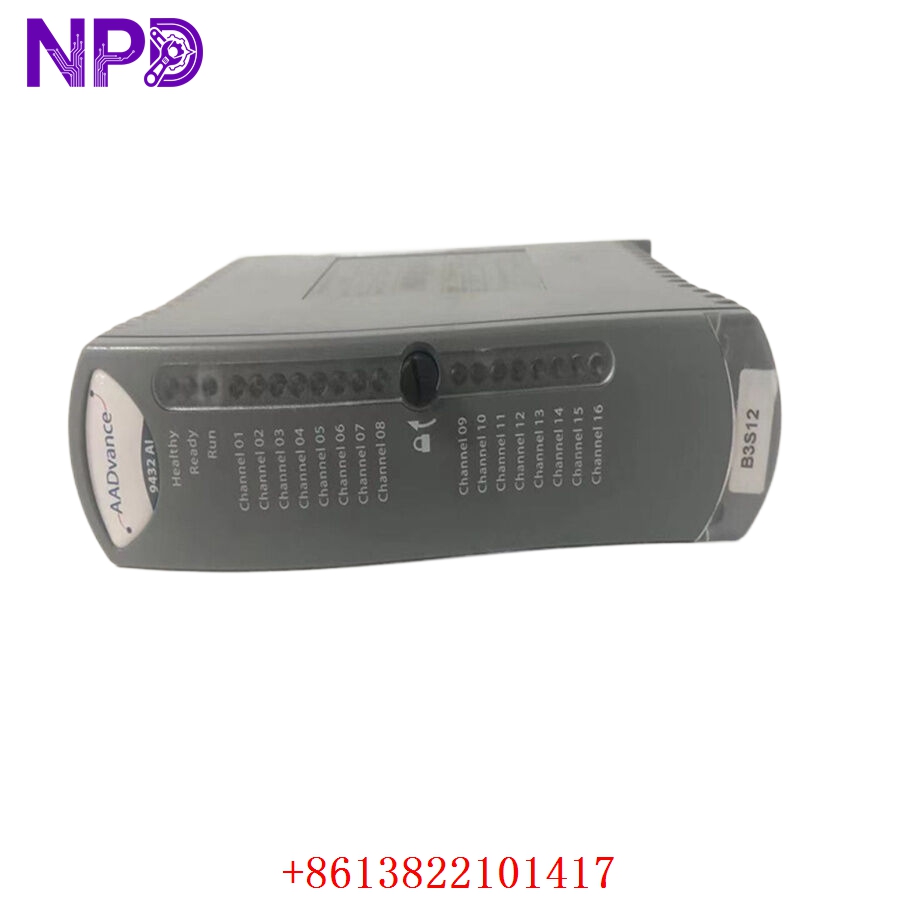
TRIPLEX ICS T9432
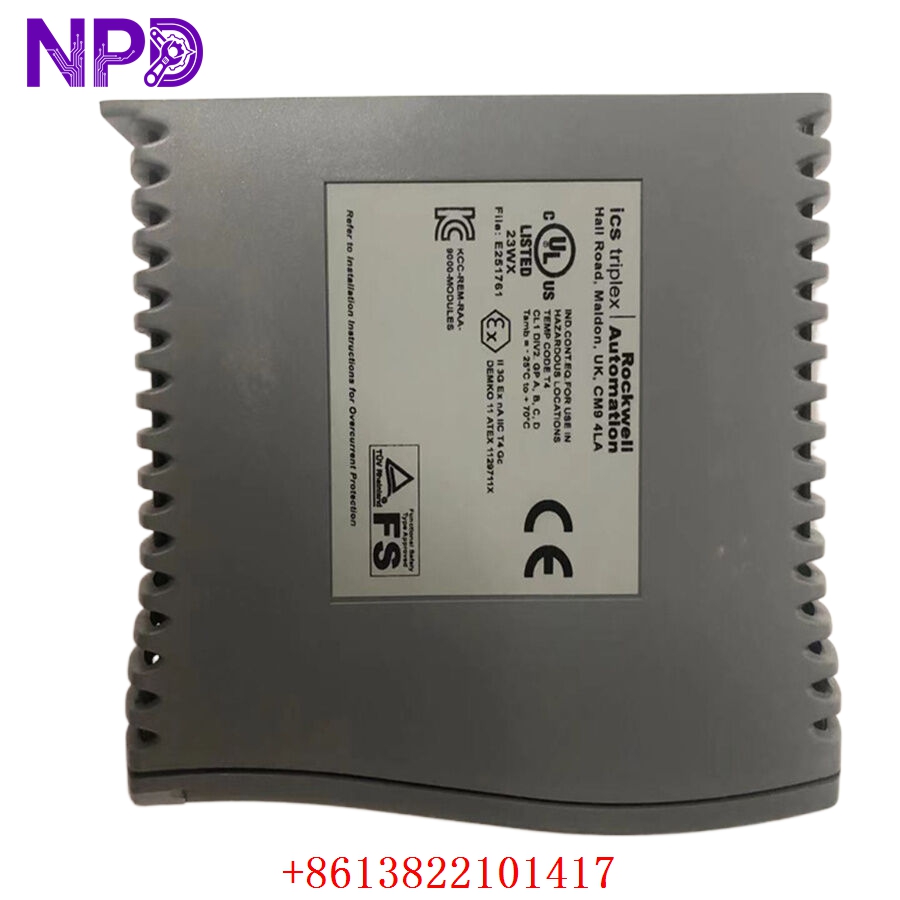
TRIPLEX ICS T9432
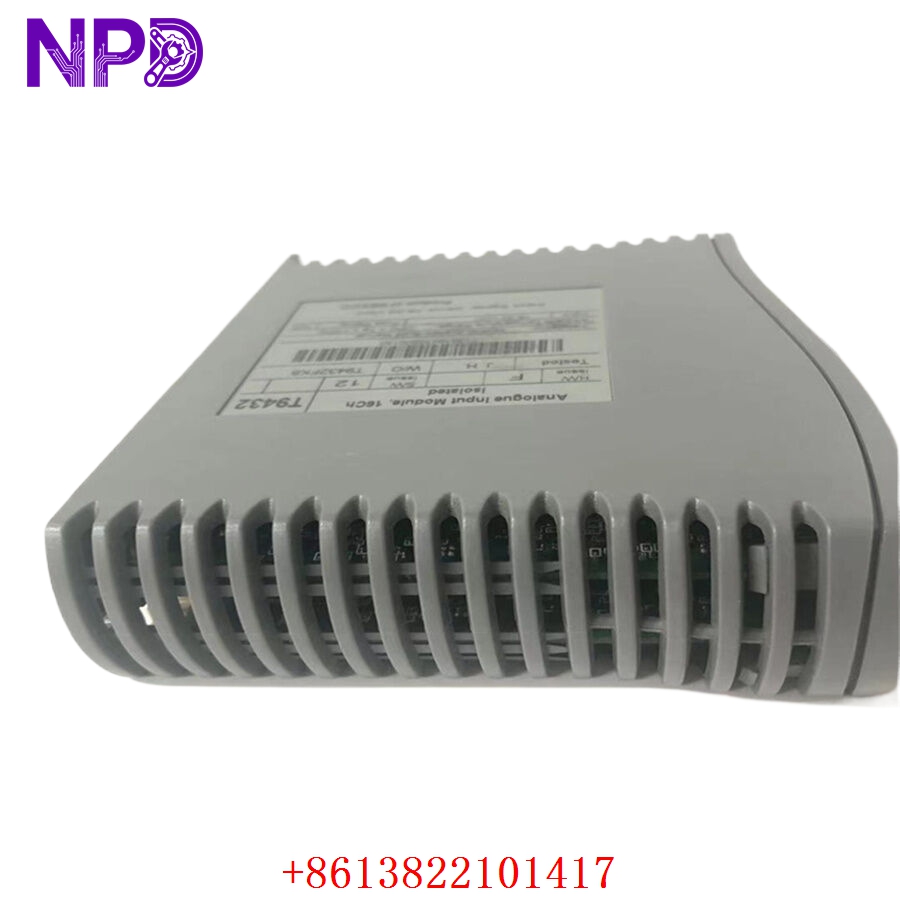
TRIPLEX ICS T9432
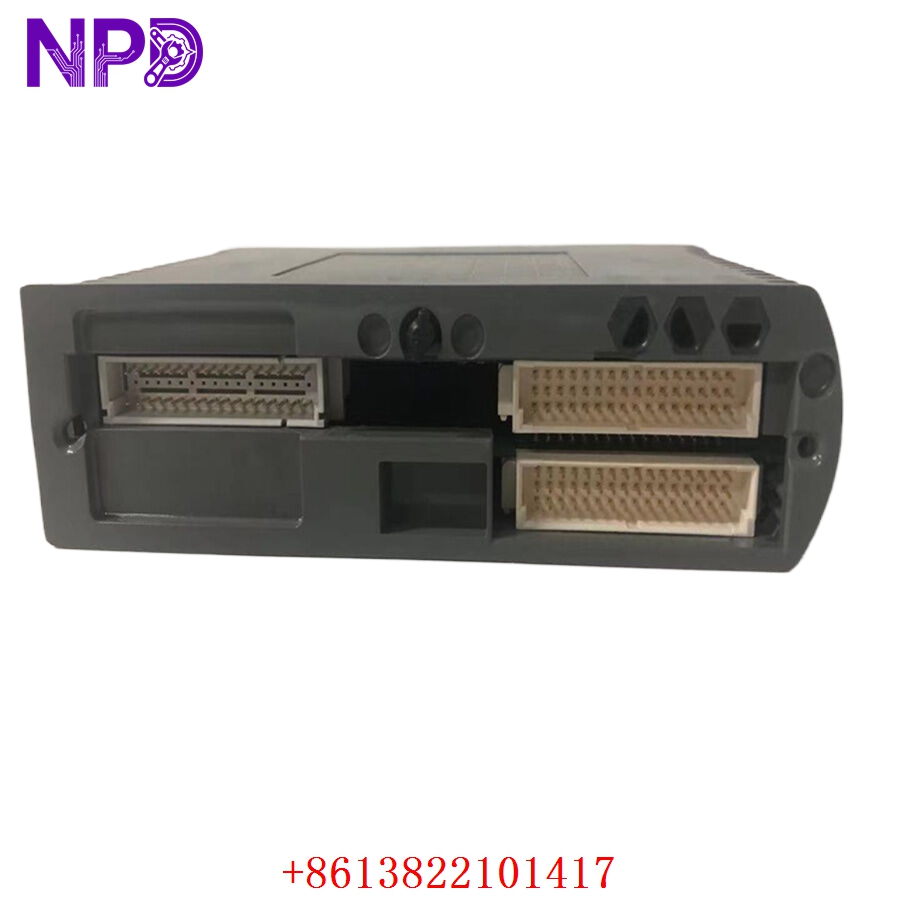
TRIPLEX ICS T9432
Installation & Configuration Guide
Pre-Installation Preparation (Estimated Time: 20–30 Minutes)
⚠️ Before working on any safety I/O module, verify the process is in a safe operating state.
For live process plants, this usually requires:
- maintenance authorization,
- bypass approval,
- and operator coordination.
Preparation checklist:
- Notify operations and instrumentation teams
- Confirm controller redundancy status
- Verify field loops are identified correctly
- Backup AADvance project configuration
- Record existing channel calibration data
Recommended tools:
- Anti-static wrist strap
- Fluke 115 multimeter
- Loop calibrator (4–20 mA source)
- Insulated screwdriver set
- AADvance Workbench engineering laptop
Important backup work:
- Export controller configuration
- Photograph termination wiring
- Record HART device parameters
- Save diagnostic logs
One thing experienced SIS engineers learn quickly…
Most “bad analog modules” turn out to be:
- damaged field transmitters,
- loose marshalling terminals,
- or grounding issues.
Always verify the field loop first before replacing the module.