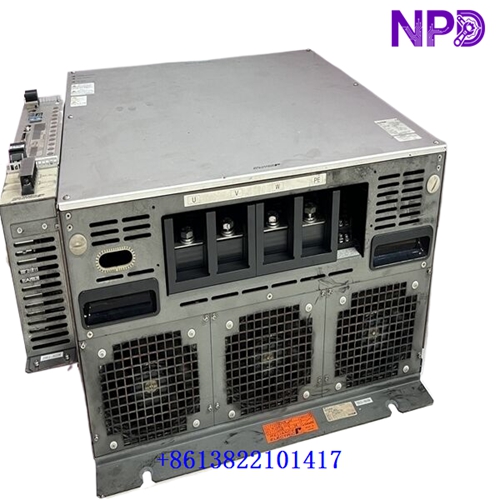
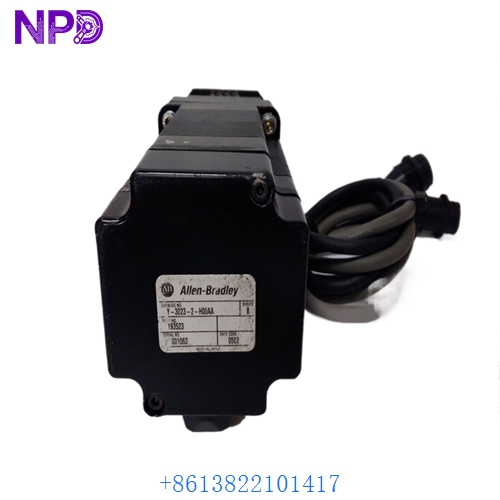
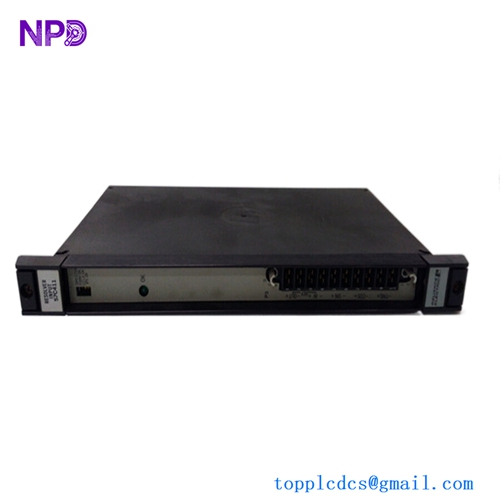
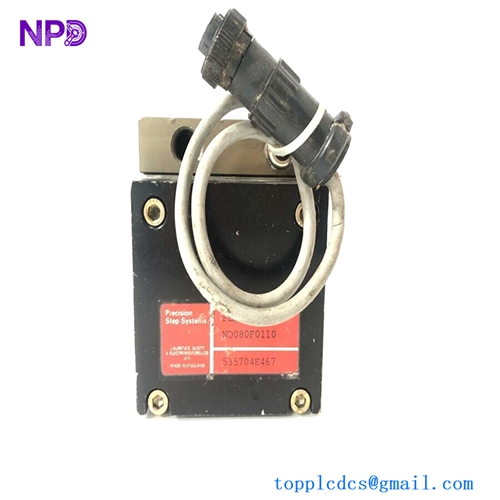
Description
- Model: RELIANCE WR-D4004 MD-D4014B
- Brand: Reliance Electric (now Rockwell Automation legacy platform)
- Series: AutoMax / Distributed Control System (DCS) Platform
- Core Function: Processor/control module for industrial automation and process control logic execution
- Product Type: Control Processor / System Module
- Key Specs: 24 V DC or rack power input AutoMax backplane architecture Modbus / industrial fieldbus support (system dependent)
- System Type: AutoMax Distributed Control System module
- Processor Architecture: Industrial-grade embedded CPU (legacy control platform)
- Memory: Program + system memory (configuration dependent)
- Backplane Interface: AutoMax rack-based communication bus
- Input/Output Capability: System-level I/O coordination via rack modules
- Communication Protocols: Modbus RTU, DeviceNet, proprietary AutoMax bus
- Power Supply: Rack backplane powered (typically 5 V / 24 V depending on chassis)
- Isolation: Industrial-grade signal isolation between modules
- Operating Temperature: 0 °C to +55 °C (typical rack environment)
- Storage Temperature: -20 °C to +70 °C
- Diagnostics: LED status indicators + system diagnostic buffer
- Mounting Type: AutoMax rack slot installation (multi-slot module design)
- Hot Swap Support: Limited / system-dependent (requires rack verification)
- Firmware Environment: AutoMax programming ecosystem
- Application Environment: Heavy industrial process control systems
- Typical Power Consumption: ~10–30 W depending on configuration load
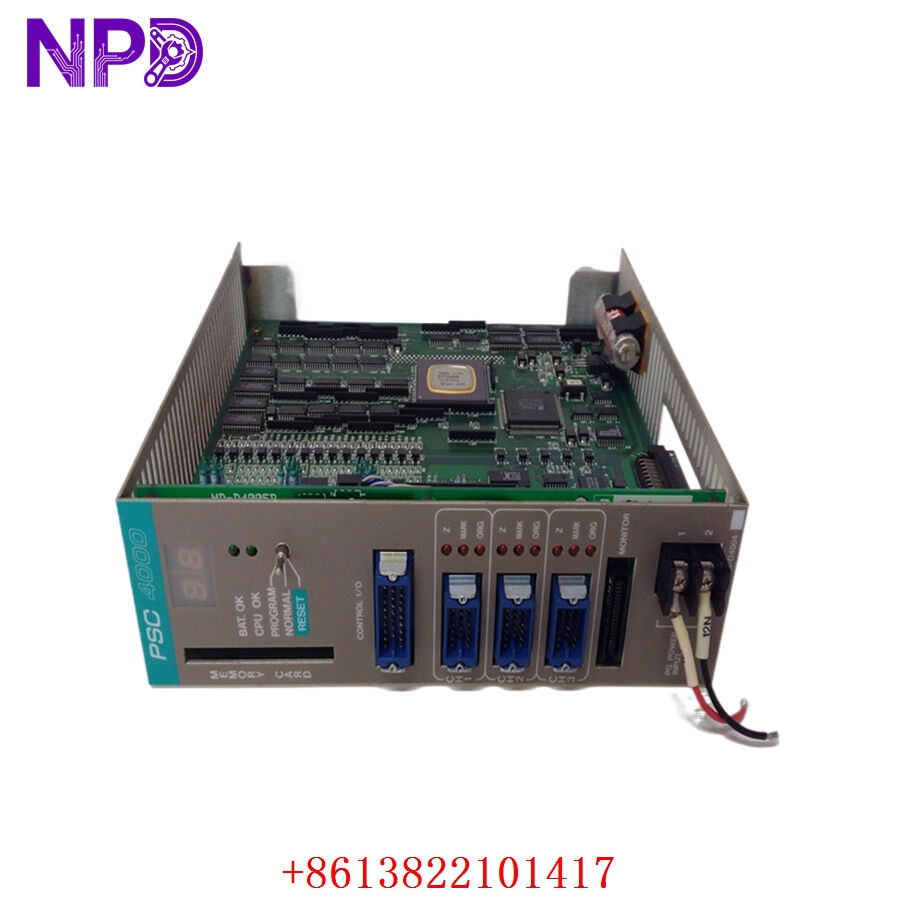
RELIANCE WR-D4004 MD-D4014B
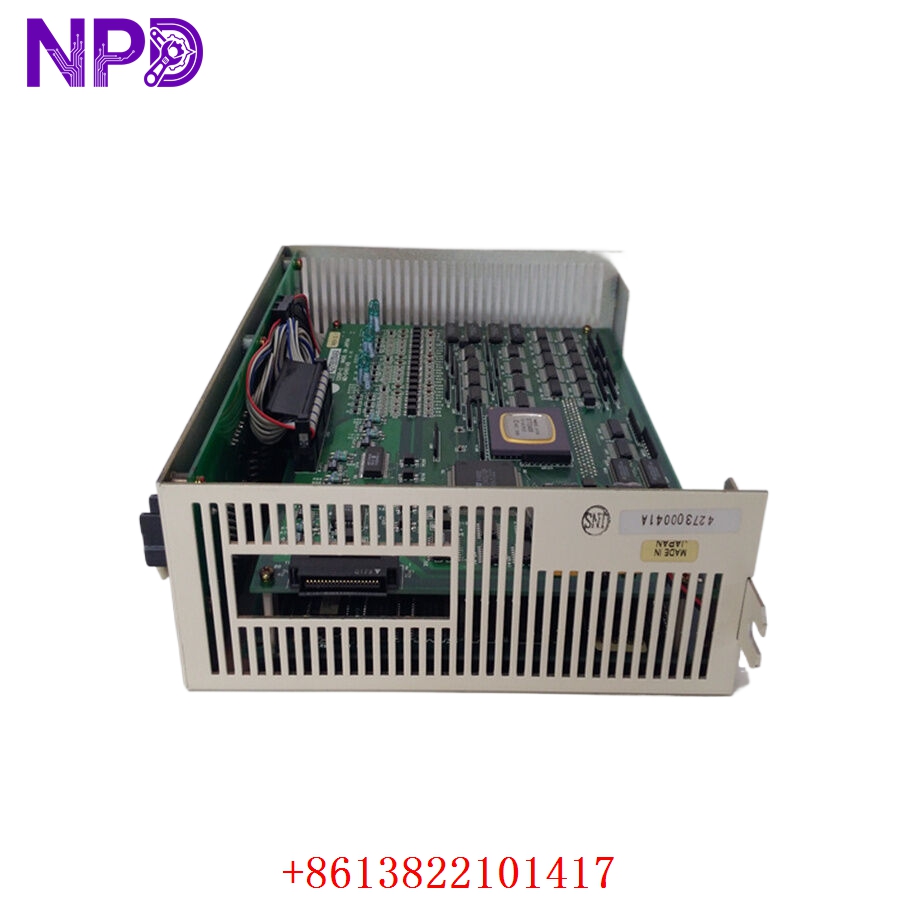
RELIANCE WR-D4004 MD-D4014B
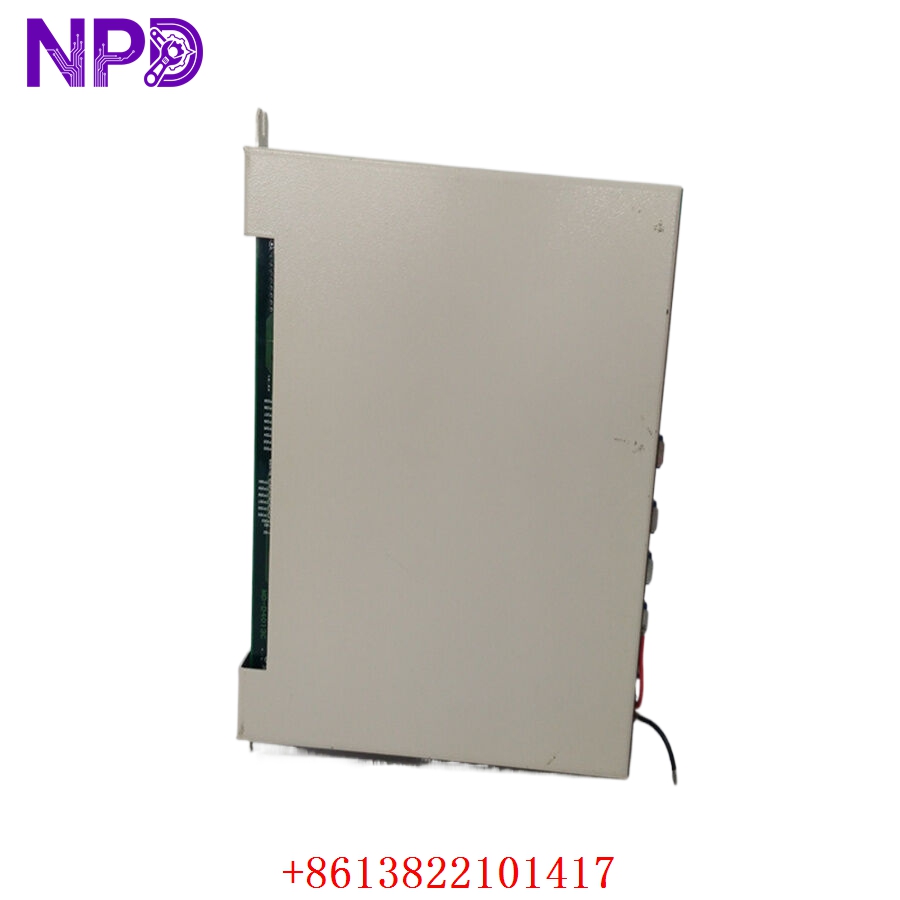
RELIANCE WR-D4004 MD-D4014B
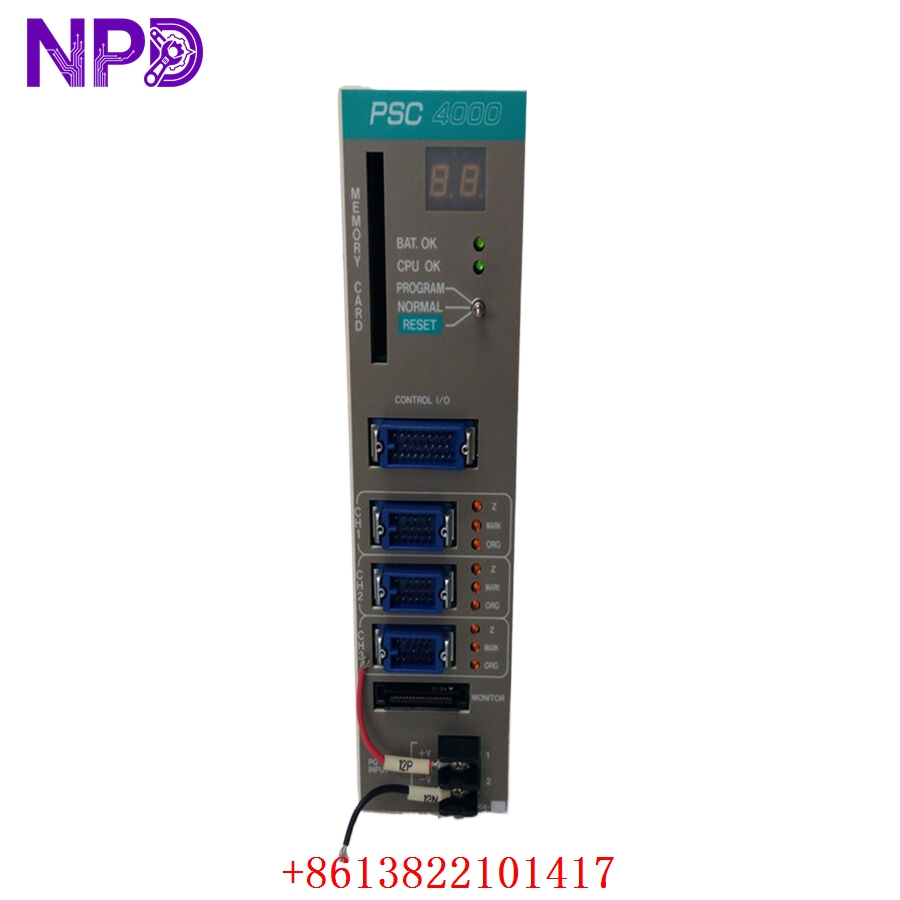
RELIANCE WR-D4004 MD-D4014B
Application Scenarios & Pain Points
Let me be straight—this module is not “new automation hardware.”
It belongs to a generation of control systems that are still running because they were built to survive, not to be replaced easily.
You’ll usually find the WR-D4004 MD-D4014B inside:
- AutoMax DCS racks
- Steel plant control systems
- Cement production lines
- Heavy conveyor and drive systems
- Power plant auxiliary control cabinets
And here’s the reality in the field:
These systems rarely fail cleanly.
They degrade slowly.
One day you start seeing:
- intermittent logic delays
- communication timeouts between racks
- unexplained I/O inconsistencies
- occasional CPU watchdog resets
Then maintenance teams start doing what I’ve seen many times:
swap I/O cards, replace power supplies, even rewire cabinets…
…but the root issue is still inside the control processor layer.
That’s the tricky part of legacy Reliance AutoMax systems:
everything is tightly coupled.
When one processor module behaves unpredictably, the whole rack starts looking “unstable.”