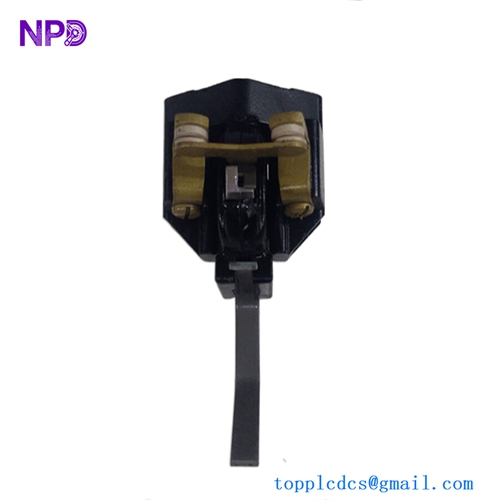
Description
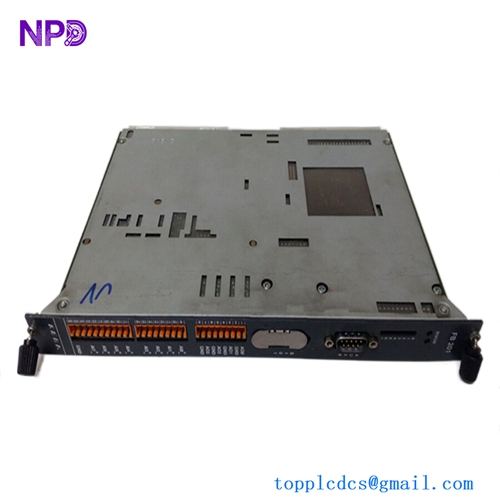
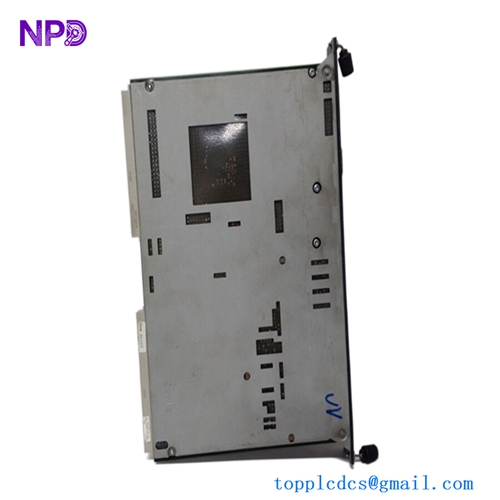
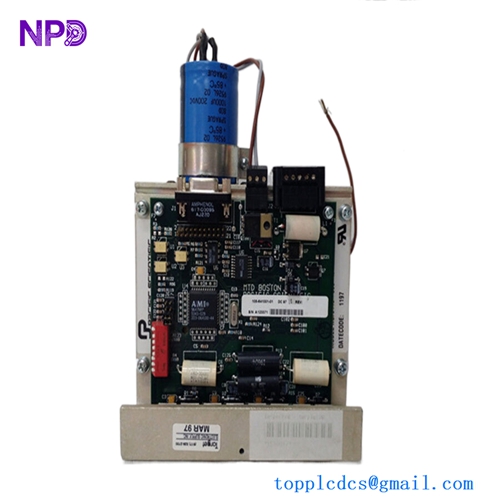
- Model: SEW DFS56L-TF-RH1M-KK
- Brand: SEW-EURODRIVE
- Series: DFS56 Incremental Encoder Series
- Core Function: Provides rotational speed and position feedback for motor control systems
- Product Type: Incremental Rotary Encoder
- Key Specs: HTL/TTL pulse output Hollow shaft design Industrial motor feedback
- Encoder Type: Incremental rotary encoder
- Mechanical Design: Hollow shaft mounting
- Output Signal: HTL and/or TTL incremental pulses
- Pulse Channels: A, B, and reference Z pulse
- Supply Voltage: 10–30 V DC
- Connection Type: Industrial cable outlet / connector version
- Protection Rating: IP65
- Maximum Speed: Up to 6,000 rpm
- Shaft Diameter: Depends on RH1M shaft configuration
- Signal Direction Detection: Quadrature pulse output
- Operating Temperature: -20 °C to +85 °C
- Housing Material: Industrial aluminum enclosure
- Typical Cable Length: Up to 100 meters with proper shielding
- Mounting Style: Motor-mounted hollow shaft encoder
- Application Area: Conveyor systems, servo drives, packaging lines
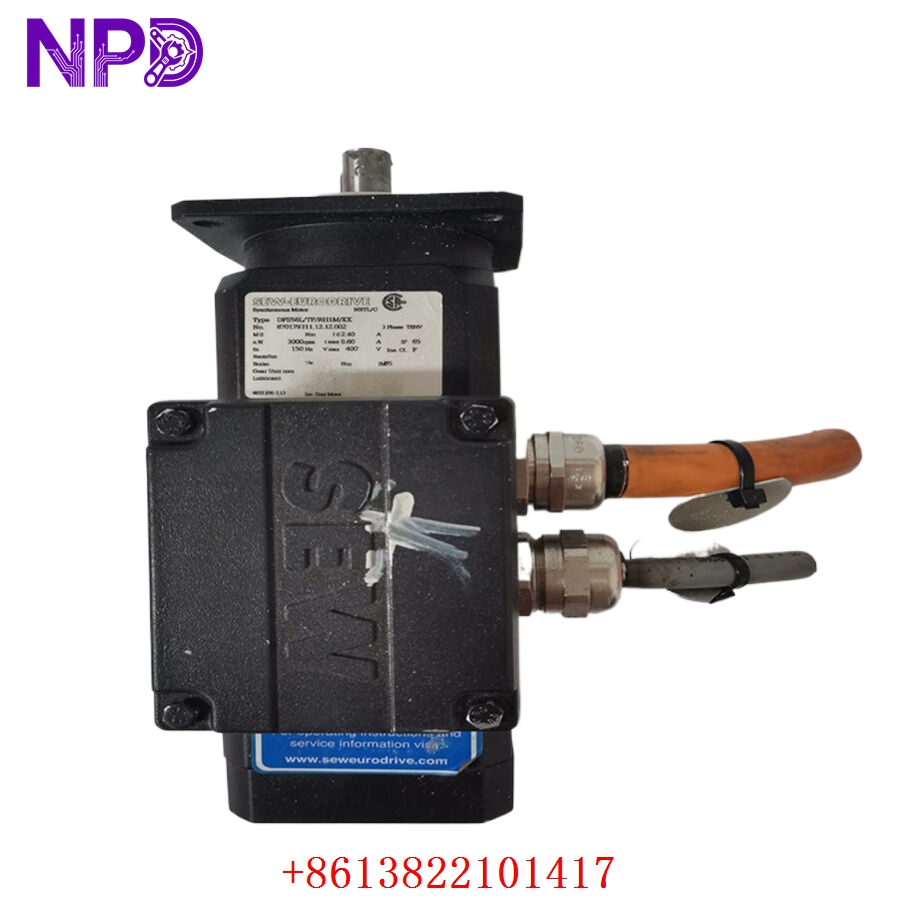
SEW DFS56L-TF-RH1M-KK
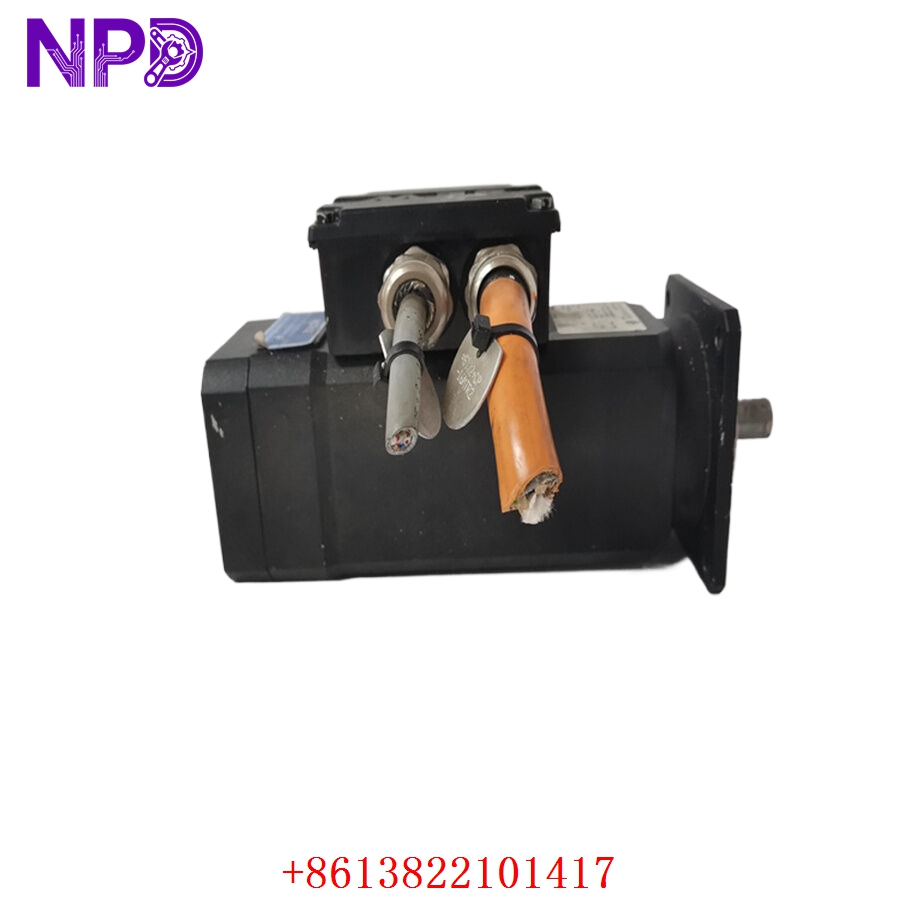
SEW DFS56L-TF-RH1M-KK
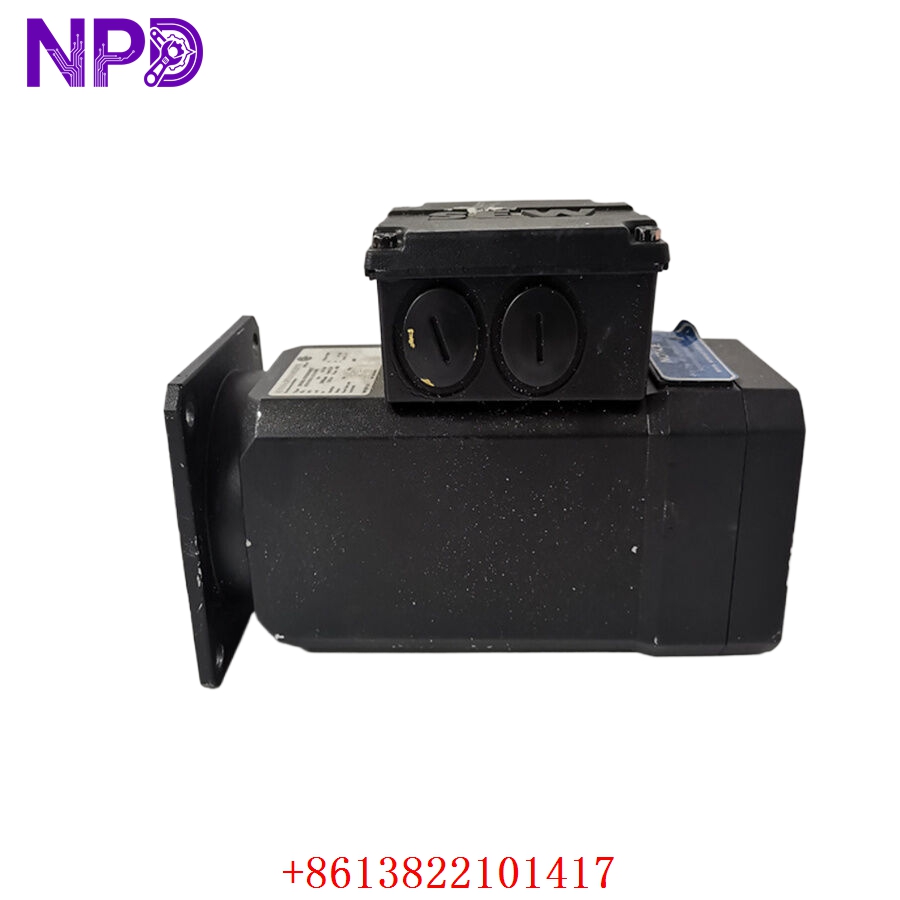
SEW DFS56L-TF-RH1M-KK
Application Scenarios & Pain Points
Encoders like the DFS56L-TF-RH1M-KK look simple from the outside.
A few wires.
A rotating shaft.
Pulse output.
That’s it.
But when encoder feedback becomes unstable, entire motion-control systems start behaving strangely:
- Conveyor speed drifts
- Servo motors oscillate
- Positioning accuracy disappears
- VFDs trip randomly
- Synchronization fails
And honestly… encoder faults are some of the most misleading problems in industrial automation.
Why?
Because the motor often still rotates normally.
Operators assume:
- “The drive is bad”
- “PLC program is unstable”
- “Servo tuning is wrong”
Meanwhile the real problem is:
- weak encoder signal,
- shield grounding noise,
- coupling slippage,
- or pulse loss at higher speed.
I’ve seen engineers replace perfectly healthy drives before checking encoder waveform quality.
That happens constantly.