
Description
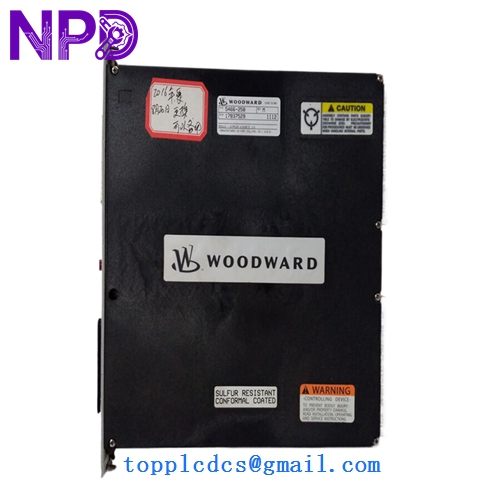
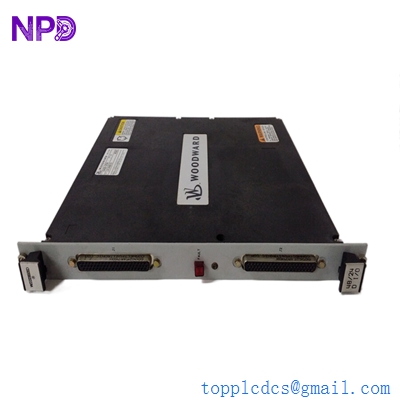
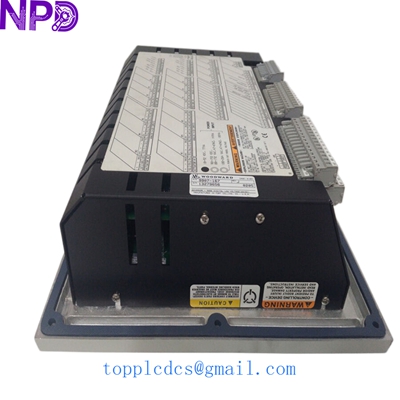
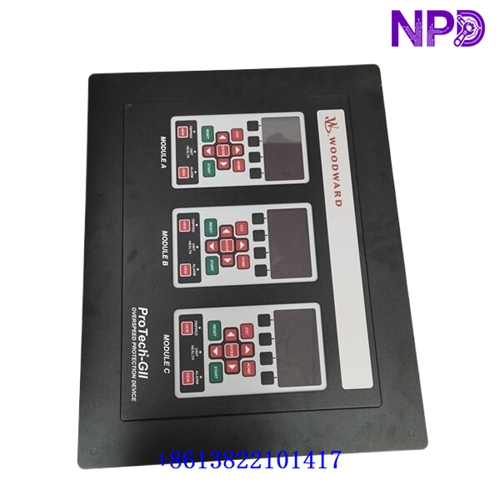
The Woodward Generator Loading Control (GLC) Part 8271-468 is a precision electronic module designed for commercial power systems. It works alongside Woodward load-sharing and speed control systems (such as the EG, 2301, 2500, and EPG series) to manage, regulate, and adjust the electrical load assumed by generator sets. Below are the ten core specification parameters detailing its build, origin, and technical ratings:
- Brand: WOODWARD
- Model Number: 8271-468
- Series: Generator Loading Control (GLC) Series
- Product Name: Generator Loading Control Module
- Place of Production: United States / Global Facilities
- Condition State: Brand New / Factory Recertified Options Available
- Enclosure Color: Beige Outer Shell
- Application Type: Commercial Applications
- Country of Origin: USA
- Power & Input Ratings: 115/230 VAC input power (jumper-selected via terminal strip) with extensive transient overvoltage protection
⚙️ Operating Guidelines & Usage Methods
Proper integration of the Woodward 8271-468 requires strict adherence to industrial electrical standards and precise connection of twelve labeled wire terminals for power supply, feedback, and bias control signals. Operators must ensure that all control and sensing wiring utilizes shielded twisted-pair cables to mitigate electromagnetic interference (EMI) from adjacent high-voltage switchgear. Grounding must be implemented strictly in accordance with manufacturer guidelines to protect internal circuitry from ground loops and voltage transients.
During active operation, the unit enables smooth soft loading and unloading transitions, preventing sudden thermal and mechanical shock to the prime mover. It supports both isolated (isochronous) power systems and systems paralleled to an infinite utility bus. Maintenance personnel should periodically inspect terminal block torque settings and verify that ambient operating temperatures remain within specified industrial limits. Never attempt internal component repairs or adjustments while the unit is energized, as this can cause permanent electrical damage or severe personal injury.
⚡ Power-Up & Power-Down Sequence
Industrial control hardware demands a structured sequencing protocol to prevent voltage spikes, data corruption, and abrupt load surges across parallel systems.
Startup Sequence:
- Verify that all external emergency stop circuits, safety interlocks, and auxiliary sensing lines are fully functional and in their normal standby states.
- Ensure the input power selection jumper matches the available supply voltage (115 VAC or 230 VAC).
- Energize the control power distribution panel, ensuring the input supply to the module stabilizes within its operational window.
- Bring the incoming generator up to rated speed and voltage, synchronizing and closing the generator circuit breaker to the bus.
- Enable the loading control loop to manage baseline loading or soft loading transitions smoothly.
Shutdown Sequence:
- Command an orderly unloading cycle via the control interface to ramp active electrical load down to zero or minimum base load (soft unload).
- Open the main generator circuit breaker once the unit is safely unloaded.
- Command the prime mover shutdown sequence, allowing engine or turbine deceleration to a complete standstill.
- De-energize the module input power supply (115/230 VAC) by opening the main control circuit breakers.
- Lock out and tag out (LOTO) all power sources if physical maintenance or module replacement is required.
📖 Product Operating Instructions
The Woodward 8271-468 operates by monitoring system variables and generating a precise bias output signal (ranging from zero to full bias) to interface with Woodward speed controls (such as EG, 2301, 2500, and EPG lines). In an isolated system, it allows stable isochronous load sharing, while in a utility-parallel scheme, it facilitates adjustable base loading and seamless soft loading and unloading. Operators configure response profiles and operating limits utilizing the onboard adjustments accessible via the terminal and layout interface.
❓ Frequently Asked Questions (Q&A)
Q1: What power supply voltages are compatible with the 8271-468 module?
A1: The unit is designed to accept either 115 VAC or 230 VAC input power, which can be configured via a terminal strip jumper.
Q2: Which Woodward speed control and load-sharing systems work with this controller?
A2: It is fully compatible with classic Woodward control families including the EG, 2301, 2500, and EPG series.
Q3: What visual indicator helps distinguish this model from other variants?
A3: The 8271-468 features a distinctive beige outer shell, differentiating it from units like the 8271-923 (which features a gray commercial casing).
Q4: Can this unit handle both isolated and utility-parallel applications?
A4: Yes. It is engineered to operate effectively both in isolated (isochronous) islanded power systems and when paralleled to an infinite utility bus.