
Description
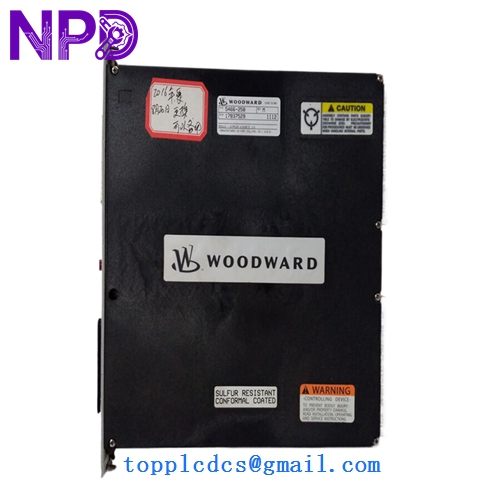
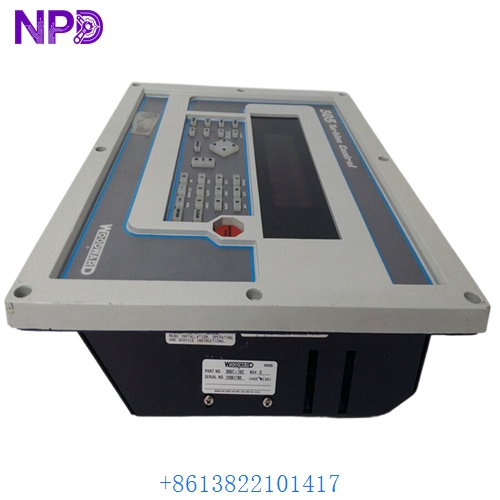
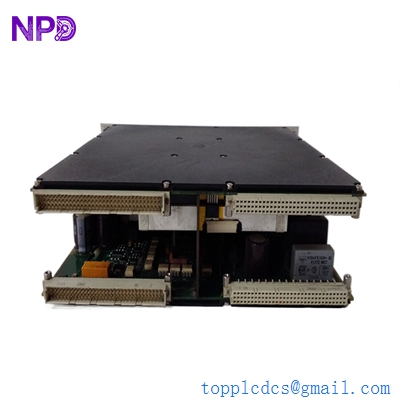
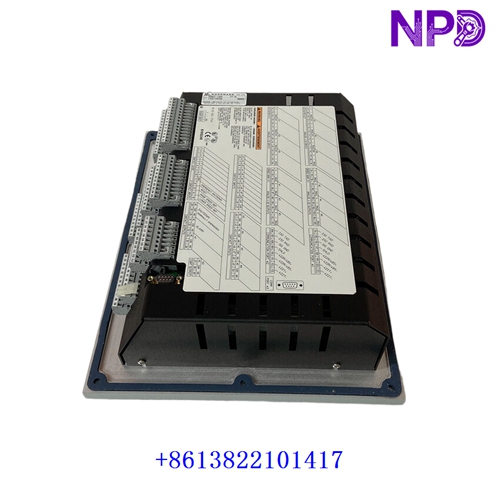
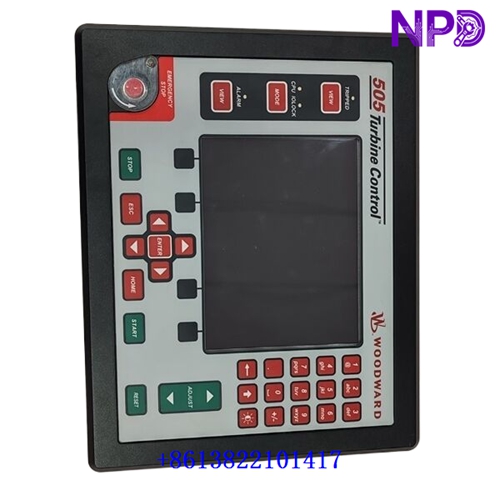
The Woodward EGCP-3 (Engine Generator Control Package) Model 8406-113 is an advanced, microprocessor-based controller tailored for load-sharing (LS) and multi-generator power management applications. It combines engine monitoring, comprehensive system protection, synchronization, and isochronous load sharing into a single industrial unit. Below are the ten core specification parameters detailing its build, origin, and technical ratings:
- Brand: WOODWARD
- Model Number: 8406-113
- Series: EGCP-3 Load Sharing (LS) Series
- Product Name: Engine Generator Control Package / Load Sharing Module
- Place of Production: United States / Global Facilities
- Condition State: Brand New / Factory Recertified Options Available
- Dimensions: 282 mm high × 359 mm wide × 135 mm deep (11.1 in × 14.1 in × 5.3 in)
- Weight: Approx. 4.3 kg (9.5 lbs)
- Country of Origin: USA
- Power & Input Ratings: 24 VDC nominal auxiliary power supply (18–32 VDC operating range, 9–40 VDC max), multi-phase AC voltage/current measuring inputs, and configurable speed bias outputs (4–20 mA, 0–5 V, PWM, or \pm 3 V)
⚙️ Operating Guidelines & Usage Methods
Proper integration of the Woodward 8406-113 controller requires strict adherence to industrial electrical standards and precise wiring of potential transformers (PTs) and current transformers (CTs) for true RMS power calculation. Operators must ensure that all control, communication, and measurement wiring utilizes shielded twisted-pair cables to mitigate electromagnetic interference (EMI) from adjacent high-voltage lines. Grounding must be implemented strictly in accordance with manufacturer guidelines to protect internal circuitry from ground loops and voltage transients. Initial configurations are executed through the front-panel “First Time Startup Menu” or via Watch Window software using the serial communication ports.
During active operation, continuous monitoring of engine vitals, real kW load sharing, reactive kVAR sharing, and network communication is vital. Maintenance personnel should periodically inspect terminal block torque settings and verify that ambient operating temperatures remain within the specified industrial range of -20 to +70 °C. Never attempt internal component repairs or adjustments while the unit is energized, as this can cause permanent electrical damage or severe personal injury.
⚡ Power-Up & Power-Down Sequence
Industrial control hardware demands a structured sequencing protocol to prevent voltage spikes, data corruption, and out-of-phase breaker closure across parallel systems.
Startup Sequence:
- Verify that all external emergency stop circuits, safety interlocks, and auxiliary sensing lines are fully functional and in their normal standby states.
- Energize the DC control power distribution panel, ensuring the 18–32 VDC input supply to the module stabilizes within its operational window.
- Allow the module internal boot sequence and diagnostic self-test to complete fully, observing the dual backlit LCD screens and status indicators.
- Bring the incoming generator up to speed, monitoring oil pressure, coolant temperature, and battery voltage parameters via the engine control logic.
- Enable the synchronizer and load-sharing control loops to monitor bus and generator parameters before permitting automated breaker closure and parallel load distribution.
Shutdown Sequence:
- Command an orderly unloading cycle via the controller interface or automated sequencing to ramp active electrical load down to zero.
- Open the main generator circuit breaker once the unit is safely unloaded.
- Initiate the KVA-controlled cooldown timer sequence, allowing engine stabilization before total shutdown.
- Command the prime mover fuel shutoff/stop sequence, allowing engine deceleration to a complete standstill.
- De-energize the module input power supply and potential/current transformer feeds by opening the main control circuit breakers, then apply Lockout/Tagout (LOTO) protocols if physical maintenance is required.
📖 Product Operating Instructions
The Woodward 8406-113 EGCP-3 operates as a comprehensive generator management system. It features integrated Engine Start/Stop Sequence Control alongside a robust Display/Keypad Interface featuring dual backlit LCD screens (capable of displaying eight lines of status info or four lines of configuration/alarm logs) for local setup and monitoring. It handles synchronization, dead bus closing, and percentage-based isochronous load sharing across up to 16 networked units. Operators interact directly via the local membrane keypad or remotely utilizing its three serial communication ports supporting Modbus and Watch Window software.
❓ Frequently Asked Questions (Q&A)
Q1: What is the primary function of the EGCP-3 8406-113 model?
A1: It is a microprocessor-based engine generator control package optimized for load-sharing (LS), generator monitoring, system protection, and automated breaker synchronization in multi-unit or utility-parallel systems.
Q2: What interface features are built directly into the front panel?
A2: The unit is equipped with a dual-display interface consisting of two backlit LCD screens and a membrane keypad, allowing users to view up to eight lines of status data and configure parameters locally.
Q3: What speed bias output types does this controller support?
A3: The 8406-113 supports multiple configurable speed bias output options, including 4–20 mA, 0–5 V, PWM, and \pm 3 V outputs to interface with various engine governors.
Q4: Can configuration settings be modified while the engine is running?
A4: Settings configured in the “First Time Startup Menu” are locked once the engine is running and cannot be edited dynamically; subsequent adjustments must be managed through designated service access levels or Watch Window software.