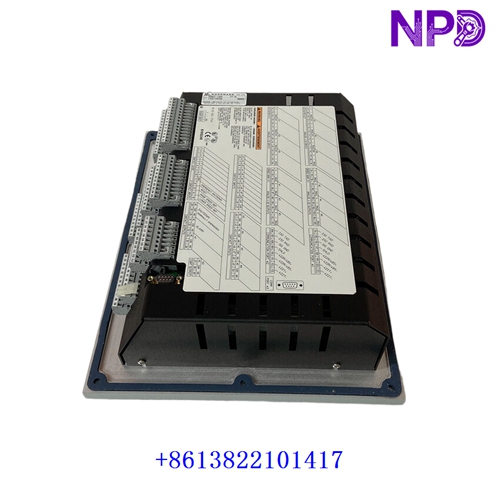
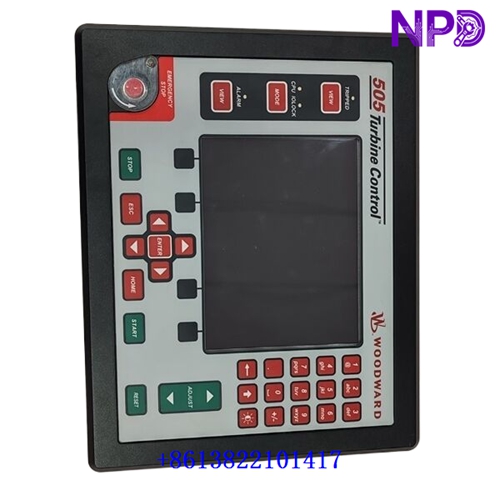

Description
⚙️ Product Datasheet & Technical Parameters
- Brand: WOODWARD
- Model: 9903-129 (GLC)
- Series: GLC Generator Loading Control Series (Nuclear Grade Application)
- Product Name: Generator Loading Controller / Load Sharing Module
- Place of Origin: United States
- Condition Status: Brand New / Factory Original Surplus
- Dimensions: Standard Panel Mount Enclosure
- Weight: Approx. 1.5 kg
- Original Region: USA Manufacturing Plant
- Power Supply: Selectable 115/230 VAC input power supply via terminal strip jumper, featuring extensive transient overvoltage protection
- System Capacity: Capable of operating alongside up to 15 load sharing and speed controls in a shared network
📖 Product Overview & Description
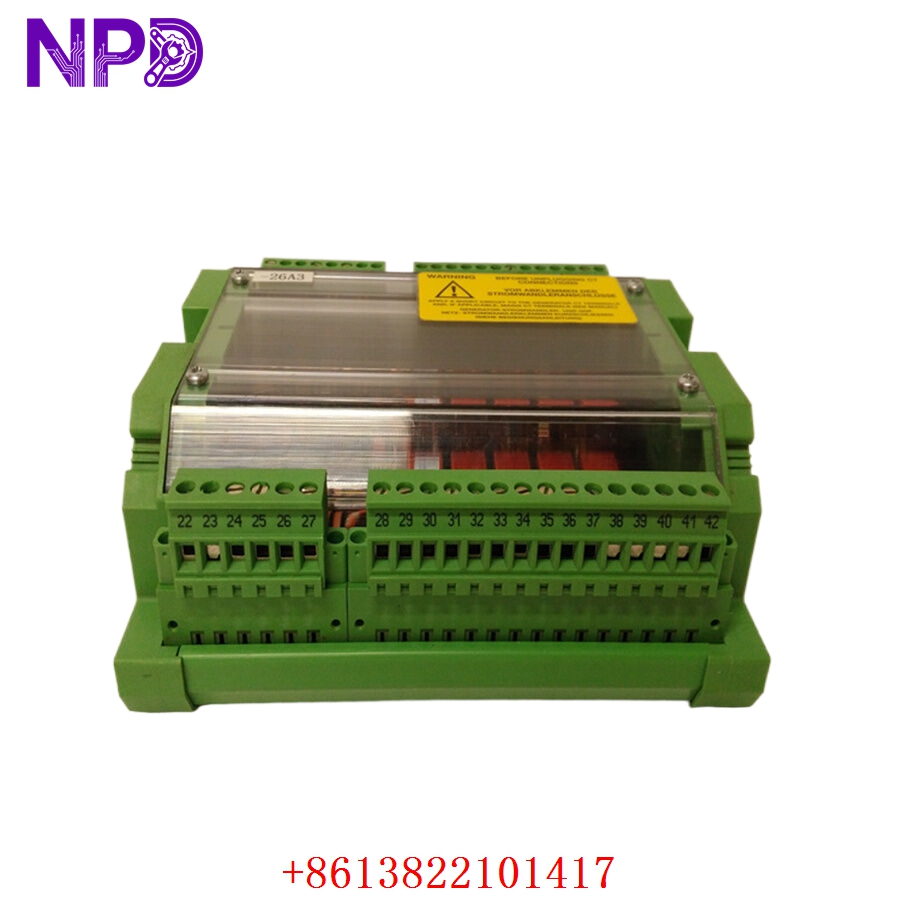
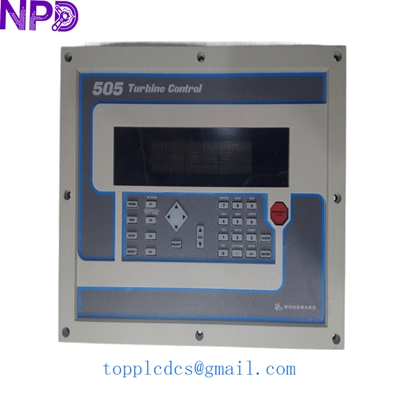
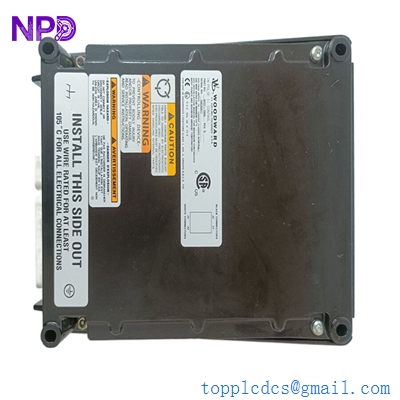
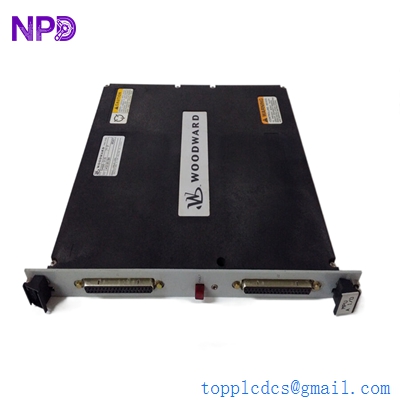
The Woodward 9903-129 is a specialized Generator Loading Controller (GLC) engineered specifically for nuclear power generation applications. Part of Woodward’s rugged GLC series, this unit is built to meet stringent reliability, environmental, and safety standards required in nuclear facilities.
It is capable of coordinating and operating alongside up to 15 load sharing and speed controls to manage active power generation, ramping, and loading rates across parallel generator sets. The unit features a selectable 115/230 VAC power supply input protected by extensive transient overvoltage circuitry, ensuring stable operation even in environments subject to severe electrical disturbances.
🛠️ Operating Specifications & Usage Methods
Proper installation and wiring practices are critical, particularly in high-reliability nuclear and industrial environments. All AC power lines, potential transformer (PT) voltage sensing inputs, current transformer (CT) connections, and low-level control signals must use shielded cables separated entirely from high-voltage distribution lines to eliminate electromagnetic interference.
Before energizing the unit, verify that the terminal strip jumper is correctly set to match the local power supply configuration (115 VAC or 230 VAC). During commissioning, calibrate the loading rates, setpoints, and droop characteristics using the onboard potentiometers and test points to align with the dynamic response of the connected prime mover governors.
⚡ Startup & Shutdown Sequence
Following a structured startup and shutdown sequence protects critical nuclear standby equipment, prime movers, and electrical switchgear from mechanical shock and electrical transients.
- Startup Sequence: First, inspect all auxiliary control circuits, safety interlocks, and circuit breaker mechanisms. Verify the 115/230 VAC power jumper configuration, then energize the control power supply to the 9903-129 unit, checking that all internal diagnostics indicate normal operation. Bring the generator up to its rated operational speed and nominal voltage. Engage the loading control mode to ramp active power smoothly onto the bus according to the preset rate, coordinating seamlessly with any other networked load sharing controls.
- Shutdown Sequence: Begin by initiating the unloading sequence through the GLC module, allowing the controller to ramp down active power generation gradually until minimum load is achieved. Open the main generator circuit breaker to decouple the unit from the shared electrical busbar. Allow the prime mover to run at a no-load idle state for thermal stabilization cool-down. Issue the stop command to shut down the engine, and finally de-energize the input power supply once all equipment has come to a complete standstill.
❓ Frequently Asked Questions (Q&A)
- Q1: What specific application environment is the Woodward 9903-129 designed for?
- A1: It is Woodward’s specialized Nuclear Application version of the GLC series, built to meet high-reliability standards for nuclear power generation sites.
- Q2: How many load sharing and speed controls can this controller operate with?
- A2: It is capable of operating and coordinating alongside up to 15 load sharing and speed controls in a multi-unit power configuration.
- Q3: How is the power supply voltage configured on the 9903-129 model?
- A3: The input power is rated for 115 or 230 VAC, which is selected via a terminal strip jumper and backed by extensive transient overvoltage protection.