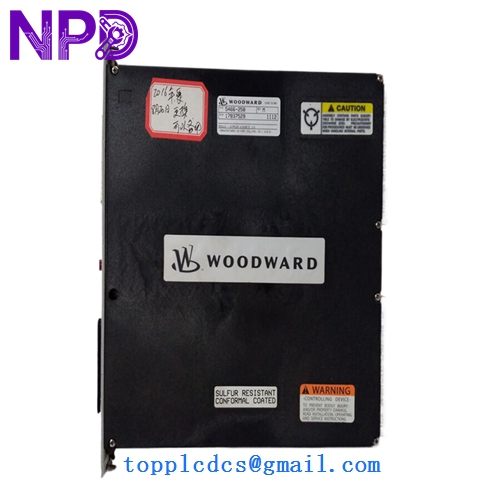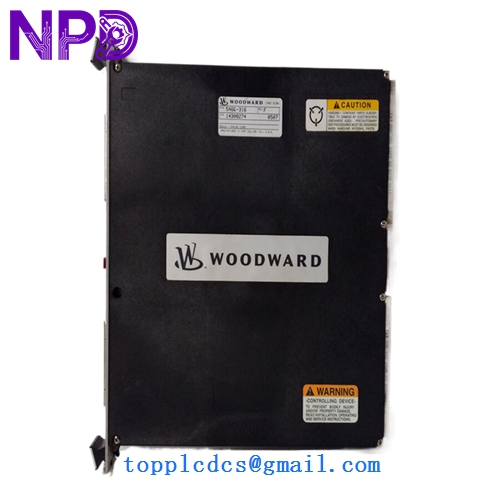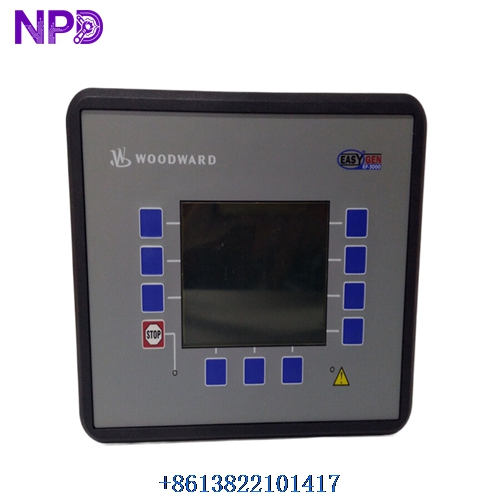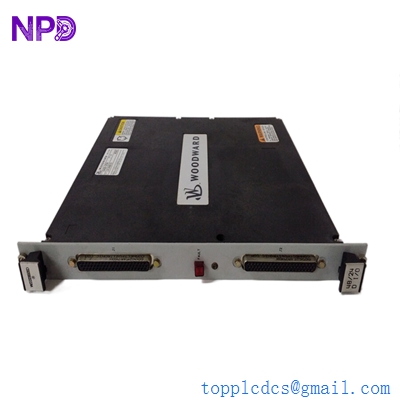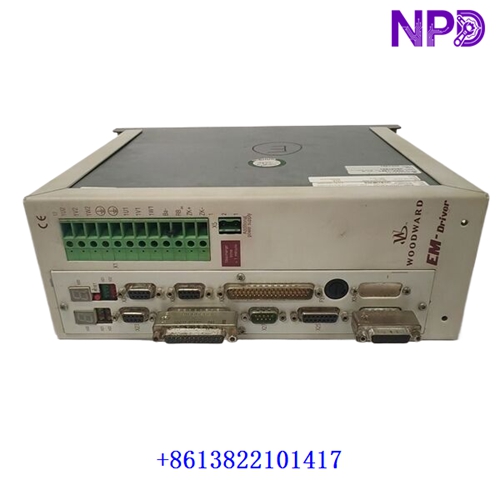
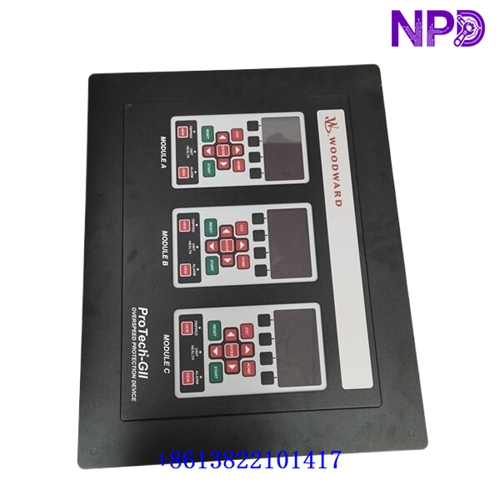

Description
⚙️ Product Datasheet & Technical Parameters
- Brand: WOODWARD
- Model: 9905-288 (DSLC)
- Series: DSLC Digital Synchronizer and Load Control Series
- Product Name: Digital Synchronizer and Load Control Unit
- Place of Origin: United States
- Condition Status: Brand New / Factory Original Surplus
- Dimensions: Approx. 460.65 mm x 264.16 mm x 58.42 mm
- Weight: Less than 7 lbs (Approx. 3.1 kg)
- Original Region: USA Manufacturing Plant
- Power Supply Input: 18 to 40 VDC power supply input
📖 Product Overview & Description
The Woodward 9905-288 is a microprocessor-based Digital Synchronizer and Load Control (DSLC) module engineered for alternating current, three-phase industrial generators. It functions as a multifunctional device combining a control sensor, a load control module, and an automated synchronizer into a single hardware package. The unit is designed to work alongside an electronic speed control (governor) and an automatic voltage regulator (AVR) to manage precise paralleling, loading, and unloading operations.
Equipped with true RMS power sensing, the 9905-288 ensures accurate handling of power levels and delivers smooth, bumpless loading and unloading transitions. It allows operators to select between automatic slip frequency synchronization or phase matching, making it an effective solution for multi-generator parallel distribution and industrial power systems.
🛠️ Operating Specifications & Usage Methods
Proper installation and wiring are essential for stable system performance. All sensing input lines, communication cabling via the Local Operating Network (LON), and control connections must use shielded twisted-pair wires routed safely away from high-voltage power lines and variable frequency drives to eliminate electromagnetic interference. The controller should be securely mounted inside a protective industrial enclosure rated for the operational environment.
During commissioning, configure the unit’s parameters—including synchronization mode (slip frequency or phase matching), loading rates, and power setpoints—using the designated service tool or programmer before system startup. Always perform a comprehensive pre-start hardware check and verify signal integrity across all voltage and current inputs.
⚡ Startup & Shutdown Sequence
Following a structured startup and shutdown sequence protects the prime mover, generator windings, and electrical switchgear from mechanical shock and electrical transients.
- Startup Sequence: First, inspect all mechanical linkages, fuel valves, and safety interlocks. Energize the 18 to 40 VDC control power supply to the 9905-288 unit and verify that all status diagnostics indicate normal operation. Crank and start the prime mover, bringing it up to its rated operational speed and nominal voltage. Engage the synchronization mode to monitor phase angle or slip frequency, allowing the unit to automatically issue breaker close commands once parameters align safely.
- Shutdown Sequence: Begin by ramping down active power generation through controlled unloading commands until minimum load is achieved. Open the main generator circuit breaker to decouple the unit from the shared electrical busbar. Allow the prime mover to run at a no-load idle state for thermal stabilization cool-down. Issue the stop command to shut down the engine, and finally de-energize the DC power supply once all equipment has come to a complete standstill.
❓ Frequently Asked Questions (Q&A)
- Q1: What power supply voltage range does the Woodward 9905-288 require?
- A1: The unit operates on a DC power supply input ranging from 18 to 40 VDC.
- Q2: What primary functions are integrated into this DSLC module?
- A2: It combines three core functions into a single unit: an automated synchronizer, a true RMS load sensor, and a generator load control module.
- Q3: Can the unit perform automatic synchronization using different matching methods?
- A3: Yes, operators can select between automatic synchronizing via slip frequency or precise phase matching depending on the system configuration requirements.