Description
🔹 Product Overview
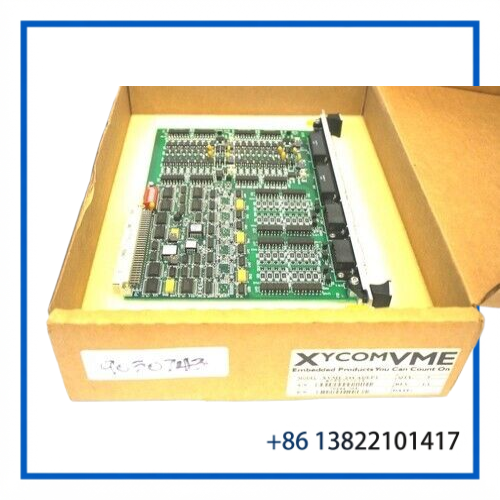
The XYCOM 716828-100 is identified as a PCB associated with the XVME-682 VMEbus processor platform, with the additional reference 92373-001. Multiple industry listings identify the exact combination as “PCB Board, XVME 682, 92373-001 / XYCOM.”
The XVME-682 is a VMEbus PC/AT processor module. Historical technical references identify it as an 80286-based VME processor, while equipment references also document the XVME-682 as a processor module with serial ports, status LEDs, and expansion capability through an associated I/O module.
For legacy VME systems, this type of board is useful as a replacement or maintenance spare where the existing computer/control architecture needs to remain in service.
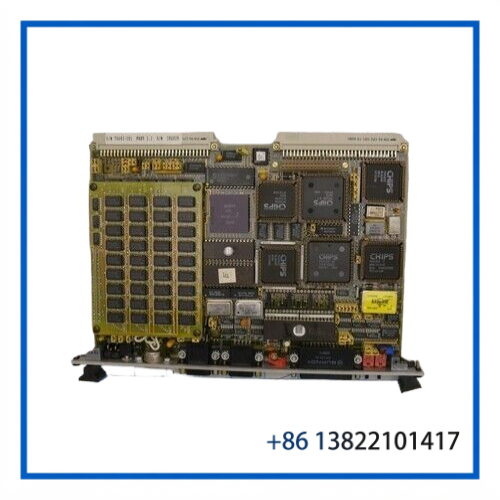
📋 Product Datasheet
| Parameter | Specification |
|---|---|
| Brand | XYCOM |
| Model | 716828-100 |
| Associated Platform | XVME-682 |
| Additional Reference | 92373-001 |
| Product Name | VMEbus Processor PCB |
| Product Type | VMEbus PC/AT Processor Board |
| Processor Platform | Intel 80286-based XVME-682 |
| Bus Architecture | VMEbus |
| Status | Legacy / Obsolete Platform |
| Application | Industrial computer and VME control systems |
The XVME-682 is documented as a VMEbus PC/AT processor module, and historical product information lists the 80286 processor architecture.
⚙️ Key Features
- Original XYCOM reference 716828-100
- Associated with XVME-682
- Additional board reference 92373-001
- VMEbus-based architecture
- PC/AT processor platform
- 80286 processor architecture associated with the XVME-682
- Status LED and serial-port functionality on the XVME-682 platform
- Intended for legacy VME computer/control applications
- Suitable for maintenance, repair, and spare-parts inventory
The XVME-682 platform is documented with serial connections and status indicators, and some configurations include expansion through an XVME-682 I/O module.
🔌 VMEbus System Integration
The 716828-100 / 92373-001 should be matched against the installed XVME-682 hardware before replacement.
Check the following items:
- Exact PCB part number
- XVME-682 model identification
- Board revision
- Daughter-card or expansion-card configuration
- VMEbus chassis and slot
- Front-panel connectors
- Serial-port configuration
- Installed memory configuration
- Existing operating software and boot media
- System-specific I/O requirements
Different XVME-682 configurations exist. For example, documented units include 70682-101 and 70682-102, with different configuration details and memory options.
🏭 Industrial Applications
The XVME-682 platform can be used in legacy VME-based computer and control architectures such as:
- Industrial automation computers
- Factory control systems
- Machine-control equipment
- Test and measurement systems
- Data acquisition systems
- Transportation control equipment
- Semiconductor manufacturing equipment
- Legacy process-control computers
- VMEbus supervisory systems
A U.S. transportation test-system document, for example, identifies an Xycom XVME-682 VMEbus PC/AT processor module as part of a VME-based computer subsystem.
🛠️ Installation & Maintenance
Before replacing the board, shut down the VME system and follow the host equipment’s electrical safety and ESD procedures.
Inspect the replacement PCB for:
- Bent VME connector pins
- Corrosion or oxidation
- Damaged edge contacts
- Burn marks
- Cracked solder joints
- Damaged components
- Loose memory or expansion hardware
- Contamination or moisture
Record the original board’s jumpers, memory configuration, daughter-card arrangement, and cable connections before removal.
After installation, verify that the board is fully seated in the VME chassis and that all associated cables and expansion modules are correctly connected.
🔍 Troubleshooting
The system does not boot:
Verify VMEbus seating, board power, memory configuration, processor-board identification, and boot-device connections.
The board powers up but does not communicate:
Check serial connections, software configuration, VMEbus addressing, and the host system’s I/O configuration.
The replacement does not match the original configuration:
Compare the complete part number, board revision, memory size, daughter-card configuration, and connector arrangement.
The system reports memory or processor errors:
Inspect memory devices and connectors and compare the installed configuration with the original XVME-682 configuration.
The VME system cannot recognize the board:
Verify chassis slot configuration, VMEbus settings, and compatibility with the existing CPU/I/O architecture.
✅ First-Operation Checklist
- Confirm 716828-100 identification.
- Verify 92373-001 marking where applicable.
- Confirm the host system uses an XVME-682 platform.
- Record the original board revision.
- Record memory and expansion-card configuration.
- Inspect VMEbus connectors.
- Check chassis power before insertion.
- Verify serial and external connections.
- Confirm boot and software configuration.
- Power up under controlled conditions.
- Check status indicators.
- Verify communication with connected VME equipment.
- Perform system-level functional testing.
❓ FAQ
What is XYCOM 716828-100?
It is identified as a PCB associated with the XYCOM XVME-682 VMEbus processor platform, with reference 92373-001.
What is the XVME-682?
The XVME-682 is a VMEbus PC/AT processor module. Historical documentation identifies the platform with an 80286 processor architecture.
Is 716828-100 a complete computer?
The supplied listing identifies it as a PCB board. The complete XVME-682 system is a VMEbus processor module, so the exact contents of the listed item should be verified before ordering.
Does XVME-682 support serial communication?
Documented XVME-682 configurations include serial ports and status LEDs.
Are all XVME-682 boards interchangeable?
No. Different XVME-682 configurations and part numbers exist. Memory, daughter-card, revision, and expansion configurations should be checked before substitution.
What should be checked before purchasing?
Confirm 716828-100, 92373-001, the XVME-682 model, board revision, connector configuration, memory arrangement, and the existing VME chassis.
🔄 Recommended Related XYCOM Models
- XYCOM XVME-682 — VMEbus PC/AT Processor Module
- XYCOM 70682-101 — XVME-682 Processor Configuration
- XYCOM 70682-102 — XVME-682 Processor Configuration
- XYCOM XVME-682 I/O — Associated I/O Module
- XYCOM XVME-683 — VMEbus PC/AT Processor Module
- XYCOM XVME-684 — VMEbus PC/AT Processor Module
- XYCOM XVME-686 — VMEbus PC/AT Processor Module
- XYCOM XVME-687 — VMEbus PC/AT Processor Module
- XYCOM XVME-688 — VMEbus Processor Module
- XYCOM XVME-674 — VMEbus PC/AT Processor Module
These are related XYCOM VMEbus processor platforms, but they should not be treated as direct replacements for 716828-100 without verifying hardware and software compatibility. XYCOM product references list the XVME-674, XVME-678, XVME-682, XVME-683, XVME-684, XVME-686, XVME-687, and XVME-688 as separate VMEbus processor products.
📦 Spare-Parts & Lifecycle Planning
The XVME-682 belongs to a legacy VMEbus generation, making correct spare-part identification important for long-running industrial installations. Keep the complete 716828-100 / 92373-001 / XVME-682 reference in the maintenance database rather than recording only “XYCOM CPU board.”
For critical systems, maintain a tested spare and record its memory configuration, board revision, and expansion-card arrangement. A small stock of compatible VME processor and I/O boards can reduce downtime when an aging control computer experiences a board-level failure.
For larger inventories, ABC classification can prioritize processor boards supporting critical equipment, while buffer-stock and last-time-buy planning can help protect legacy VME installations from long-term component availability issues.