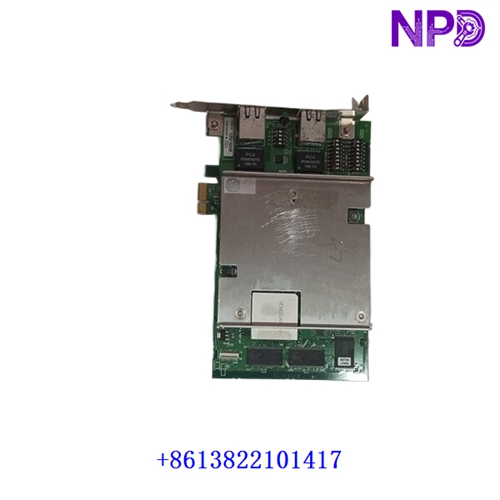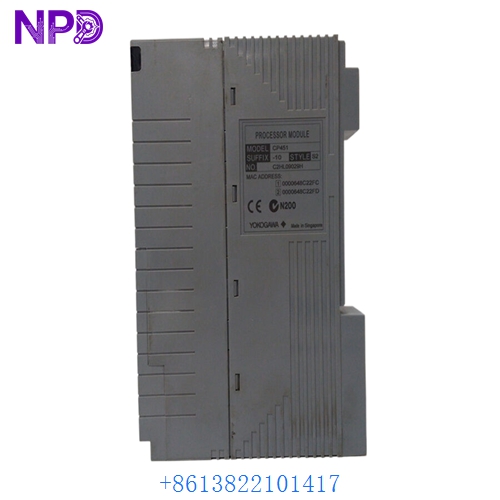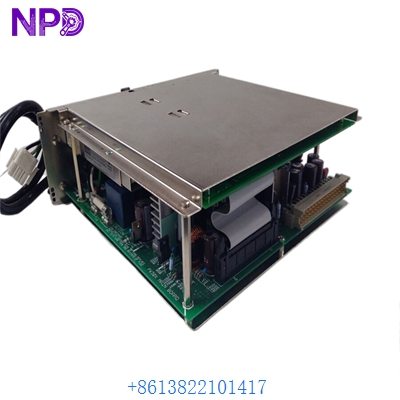

Description
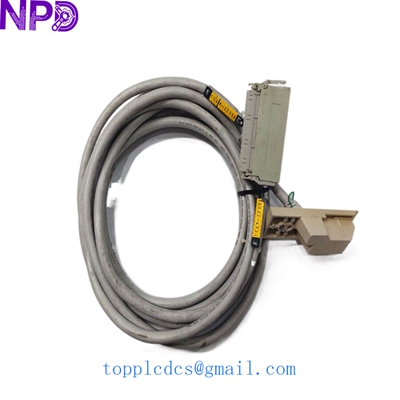
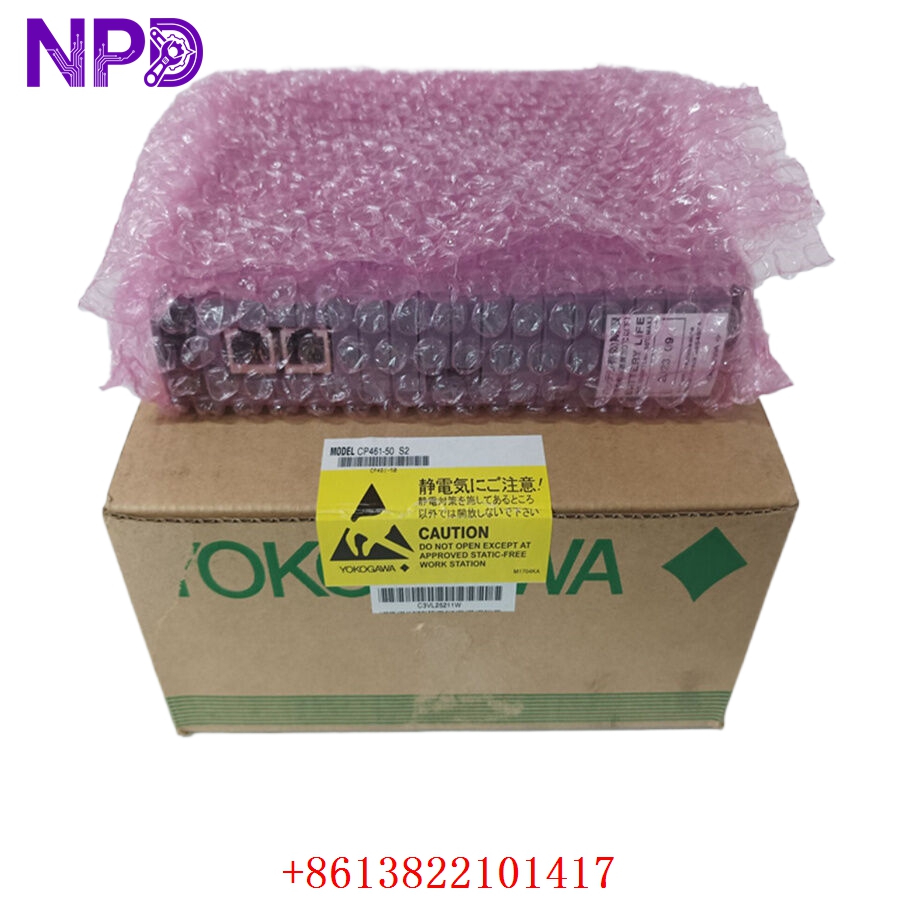
The Yokogawa AFV30D-S41101 S1 is an advanced, high-performance, dual-redundant Field Control Unit (FCU) engineered for CENTUM VP Distributed Control Systems (DCS). It serves as the core processing engine for Field Control Stations (FCS), managing high-speed continuous control, sequence control, and subsystem communications.
- Brand: Yokogawa
- Model: AFV30D-S41101 (Suffix Code configuration with S1 build standard)
- Series: CENTUM VP / Vnet/IP & Enhanced FIO Architecture Line
- Product Name: Duplexed Field Control Unit (FCU)
- Origin Country: Japan / Singapore
- Physical State: Solid State Microprocessor-based Rack Module
- Dimensions: Standard 19-inch rack-mountable unit format
- Weight: Approx. 8.2 kg
- Processor & Memory: High-speed proprietary RISC processor architecture with high-capacity ECC main memory and non-volatile battery/capacitor backup protection
- Power Supply Parameters: Dual-redundant power input modules (AC/DC configuration dependent on exact suffix mapping); internal regulated dual 24 VDC distribution rails
- Communication Interface: Dual-redundant Vnet/IP real-time control network interfaces (1 Gbps full duplex via RJ45 / CAT5e ports) plus dedicated node expansion bus ports

► Operation Specifications & Usage Methods
Proper integration and initialization ensure high-availability control execution and secure process management:
- Mount the 19-inch rack unit securely inside an approved industrial cabinet using standard mounting hardware and vibration isolation bushings.
- Connect the dual-redundant Vnet/IP communication ports to the system Layer 2 switches using CAT5e (or better) shielded network cabling to establish reliable real-time network traffic.
- Terminate incoming primary power feeds and system protective ground lines to the designated screw terminal blocks on the rear housing.
- Initialize control functions, station definitions, and function block logic (such as advanced PID control loops and sequence tables) via the System Maintenance / Engineering Station (ES) software.
⚠ Emergency Shutdown Operation
In the event of an emergency process trip, critical fault, or plant-wide safety shutdown, execute the following protocol:
- Process safety logic is automatically executed through the dual-redundant CPU architecture, safely driving field outputs to pre-configured fail-safe states upon trip conditions.
- For complete hardware isolation, disconnect primary power feeds using external upstream circuit breakers or emergency power-off switches.
- Allow internal power supplies and memory-backup systems to stabilize or isolate safely before performing hardware extraction.
⚙ Troubleshooting & Common Issues
System diagnostics and hardware indicators help resolve operational faults efficiently:
- If the controller fails to boot or sync, inspect the dual power supply status indicators and verify input voltage stability across the terminal blocks.
- For Vnet/IP communication drops, check network cable integrity, switch port configurations, and transceiver link lights.
- If a CPU failover occurs, review the System View error logs on the engineering station to diagnose hardware synchronization errors or internal watchdog triggers.
🛠 Routine Maintenance & Servicing
Preventative maintenance maximizes hardware longevity and guarantees system uptime:
- Perform periodic visual inspections of terminal blocks, power connections, and enclosure air filters to prevent thermal stress and vibration wear.
- Monitor the status of internal backup batteries or maintenance-free capacitor modules responsible for volatile memory protection during power loss.
- Maintain updated backups of all station configuration files and control applications to streamline emergency recovery processes.
❓ Frequently Asked Questions (Q&A)
- Q1: What is the difference between the AFV30D and older FCU models like the AFV10D?
- A1: The AFV30D series features enhanced processing capabilities, expanded memory headroom, and faster execution cycles designed to handle larger, more complex plant automation architectures within CENTUM VP.
- Q2: Does the AFV30D support hot-swapping?
- A2: Individual power supply modules and certain connected FIO (Field-IO) cards support online hot-swapping, while core controller chassis swaps require adherence to plant safety isolation procedures.
- Q3: What communication network does this control unit connect to?
- A3: It interfaces directly with Yokogawa’s high-speed, real-time Vnet/IP control network (1 Gbps) for robust communication with Operator Stations (HIS) and other distributed controllers.