Description
The Yokogawa CP451-10 is a high-performance Processor Module designed for the Field Control Station (FCS) of the CENTUM VP and CENTUM CS 3000 Distributed Control Systems (DCS). It serves as the primary execution engine for control logic, managing the data flow between I/O modules and the higher-level human-machine interface (HMI).
Product Parameters (Datasheet)
- Model Number: CP451-10
- Function: Processor Module for AFV10D/AFV10S Field Control Stations
- Memory: High-speed ECC (Error Correcting Code) Main Memory
- Processor Architecture: Enhanced processing unit optimized for real-time control loops
- Redundancy: Supports Dual-Redundant configuration (Pairing two CP451-10 modules)
- Interface Ports: * Vnet/IP: For communication with the system bus
- I/O Bus: For communication with local and remote I/O nodes
- Operating Voltage: Internal 5V DC (derived from the FCS backplane)
- Power Consumption: Typically 15W – 20W
- Mounting: Occupies a dedicated processor slot in the AFV10 backplane
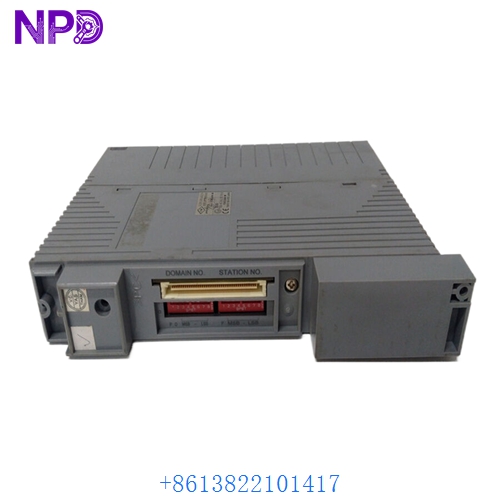
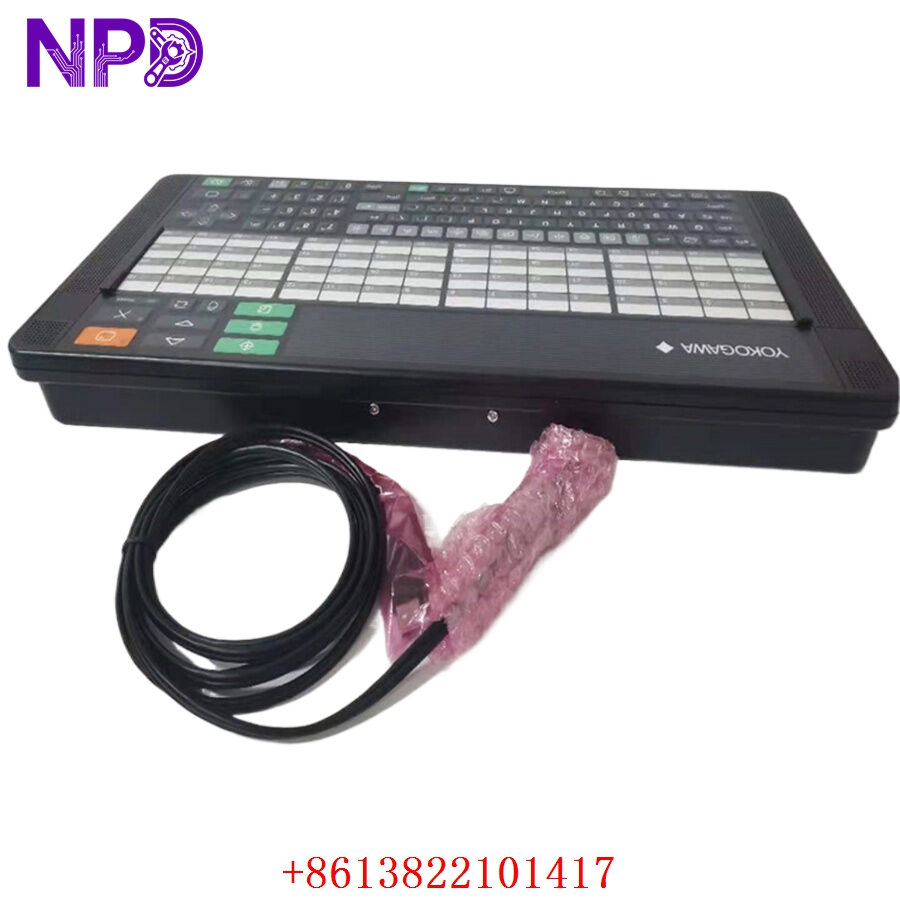
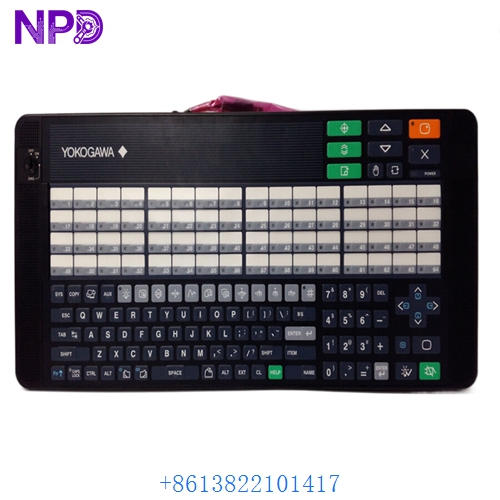
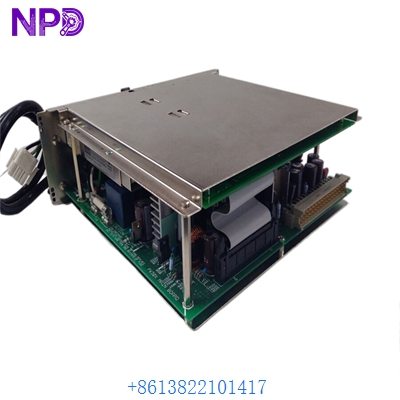
YOKOGAWA CP451-10
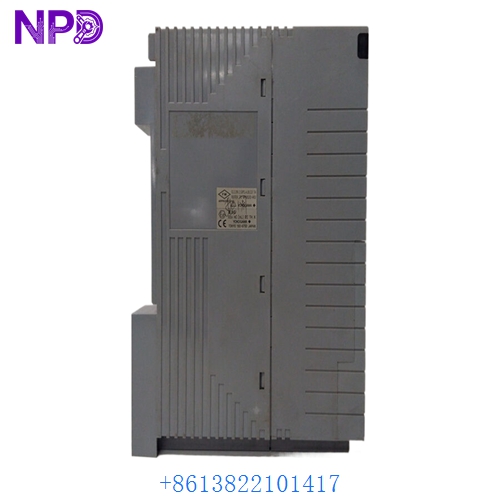
YOKOGAWA CP451-10
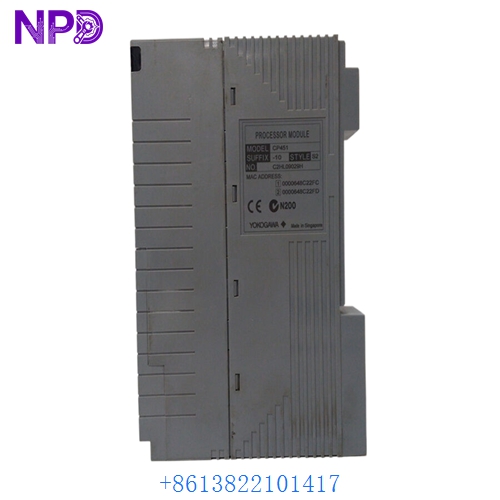
YOKOGAWA CP451-10
Country of Origin
This processor module is engineered and manufactured by Yokogawa Electric Corporation in Japan, ensuring the high reliability required for mission-critical industrial control.
Application Fields
The CP451-10 is used in large-scale automation projects across various sectors:
- Petrochemical & Refining: Executing complex PID loops and safety interlocks for refinery operations.
- Power Generation: Managing boiler and turbine control systems in thermal and nuclear plants.
- LNG Terminals: Handling cryogenic storage and regasification process logic.
- Pharmaceuticals: Ensuring precise batch control and compliance with regulatory standards.
- Water Treatment: Coordinating decentralized I/O across expansive municipal facilities.
Product Usage Instructions
- Installation: Insert the module into the designated processor slot of the Field Control Station (FCS) rack. Ensure the locking levers are fully engaged to secure the backplane connection.
- Redundancy Setup: For critical processes, install a second CP451-10 in the adjacent slot. The system will automatically configure them as a “Working/Standby” pair.
- Firmware Sync: Ensure the firmware revision matches the CENTUM software project version. Use the Yokogawa System View tool to perform any necessary downloads or updates.
- Diagnostics: Monitor the front-panel “HRB” (Heartbeat) and “CTRL” (Control) LEDs. A steady green HRB light indicates the processor is healthy and active.
- Hot Swapping: In a redundant configuration, a faulty CP451-10 can be replaced while the process is running. The standby module will take over control in milliseconds without a process bump.
Product Technical Description
Technically, the CP451-10 is the “brain” of the FCS. It executes the regulatory control (Function Blocks), sequence control (SFC), and calculation scripts. The module is built with industrial-grade components to resist electromagnetic interference (EMI) and harsh environmental conditions. Its memory architecture is designed for “deterministic” execution, meaning it guarantees that control loops are processed at exact intervals (e.g., 50ms or 100ms) regardless of the system load. The module also manages the synchronization between the two CPUs in a redundant setup, ensuring that the standby unit is always updated with the latest process data.
Q&A (Common Questions)
Q: What is the difference between the CP451 and the newer CP471? A: The CP451 is designed for the AFV10 station, while the CP471 is an upgraded processor for the AFV30/AFV40 stations, offering higher processing speeds and larger memory capacity.
Q: Can I use a CP451-10 in a CS 3000 system? A: Yes, the CP451-10 is compatible with both CENTUM CS 3000 and CENTUM VP, provided the backplane (FCS model) is the supported AFV10 series.
Q: What does a red “ALM” LED indicate? A: A red Alarm LED usually signifies a hardware failure, a memory parity error, or a total loss of communication with the I/O bus. Check the System View diagnostics for the specific error code.
Q: Does the module store the project database? A: No, the project is stored in the non-volatile memory of the FCS and loaded into the CP451’s RAM during startup. However, the module requires a battery backup (typically located on the backplane) to retain data during short power interruptions.
Similar Model Recommendations
- Yokogawa CP451-11 (Enhanced version)
- Yokogawa CP471-10 (For AFV30D/AFV40D)
- Yokogawa CP401-10 (Legacy CS 3000 Processor)
- Yokogawa SB401-10 (Bus Interface Module)
- Yokogawa PW482-10 (Power Supply Module for FCS)
For technical support or to procure the Yokogawa CP451-10, please contact our DCS spare parts team.