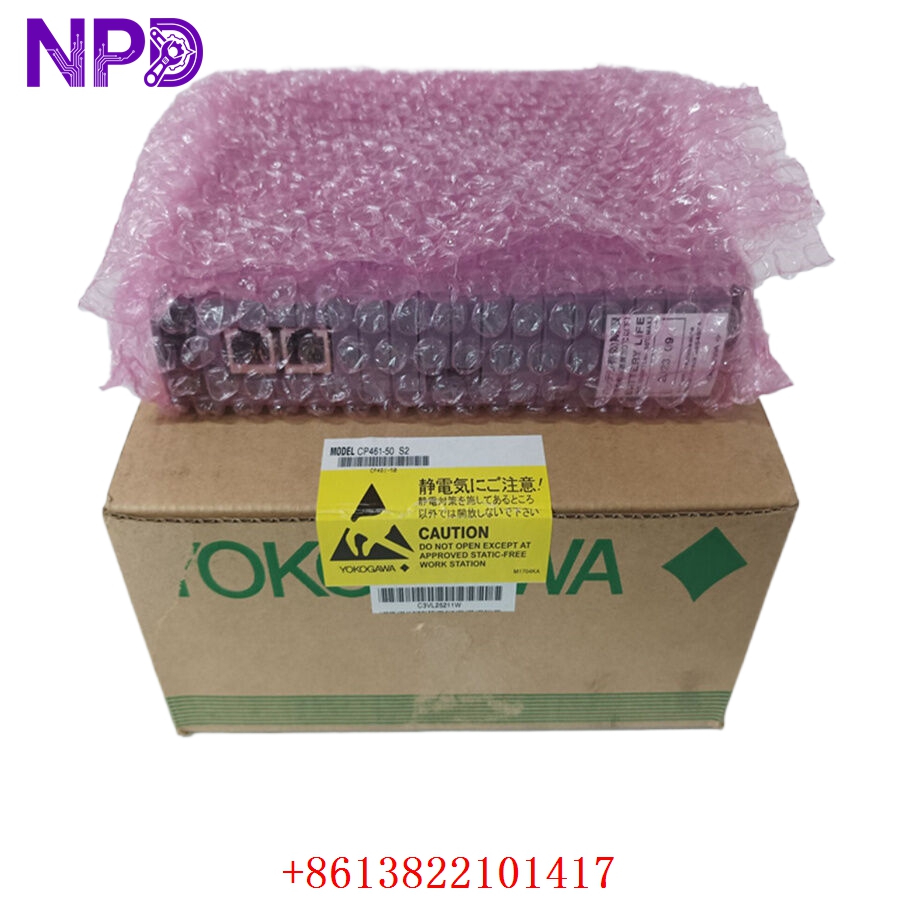

Description
Product Specifications & Datasheet
- Brand: Yokogawa
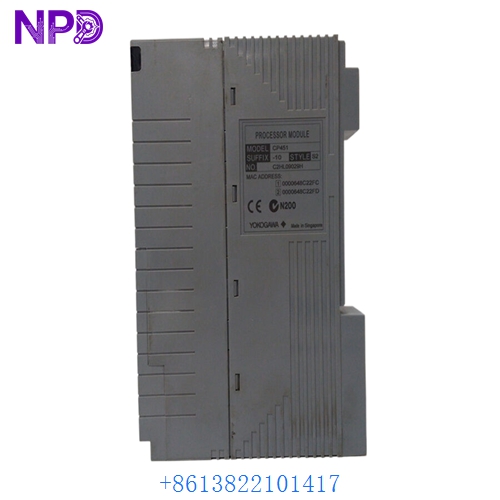
- Model: EC401-10 (Style S2)
- Series: CENTUM CS / CENTUM CS 3000 / CENTUM VP Distributed Control System (DCS) Series
- Product Name: ESB Bus Coupler Module / Communication Interface Card
- Place of Origin: Japan
- Lifecycle Status: Industrial Control System Spare Part
- Dimensions: Standard Yokogawa Node/Rack Module Form Factor
- Weight: Approx. 0.50 kg
- Origin Country: Japan
- Power Rating: Internal Low-Voltage Backplane Powered (Supplied by node power unit)

Operating Procedures & Usage Guidelines
- Pre-Installation Inspection: Ensure that the node unit power is completely turned off, locked out, and tagged out, and observe standard ESD (Electrostatic Discharge) protection protocols before handling the module.
- Module Insertion: Align the bus coupler carefully with the guide rails of the designated node slot and push evenly until the rear edge connectors seat completely into the system backplane.
- Cable Connection: Securely attach the ESB bus communication cables (coaxial or optical, depending on system architecture) to the module’s front panel interface ports.
- System Initialization: Restore power to the node unit and verify via the CENTUM engineering station or front-panel status LEDs that the bus communication link establishes successfully without timeout errors.
Emergency Shutdown Operation
- Main Power Interruption: Open the primary cabinet circuit breakers to completely de-energize the control nodes and bus network during critical plant emergencies.
- System Isolation: Ensure that upstream and downstream nodes transition safely to their configured fail-safe or hold states upon loss of bus communication.
Troubleshooting & Common Issues
- Bus Communication Failure: Inspect the ESB bus cables and front panel connectors for secure seating, physical damage, or signal degradation.
- Module Unresponsive / Error LEDs: Verify that the module is pushed completely into its backplane slot and check that the node power supply rails are operating correctly.
- System Diagnostic Alarms: Review the error logs on the CENTUM human-machine interface (HMI) to identify specific hardware fault codes associated with the bus coupler channel.
Routine Maintenance & Care
- ESD Precautions: Always use a grounded wrist strap and anti-static mat when handling or inspecting the circuit board.
- Terminal & Cable Checks: Periodically check front-panel cable connections and backplane seating to ensure industrial vibration has not loosened contacts.
- Environmental Control: Ensure cabinet internal temperatures and air filtration systems remain within optimal operational ranges to prevent component thermal stress.
Frequently Asked Questions (Q&A)
- Q: What is the primary function of the Yokogawa EC401-10 module?
- A: It acts as an ESB (Enterprise Standard Bus) coupler module, managing high-speed data transmission and communication between control units and remote node racks in Yokogawa DCS architectures.
- Q: What does the ‘Style S2’ suffix indicate?
- A: It designates a specific hardware revision or manufacturing update version within the EC401 product lifecycle, maintaining functional compatibility with designated system revisions.
- Q: Can this bus coupler be replaced while the control system is live?
- A: Replacing bus coupler modules typically requires powering down the affected node rack or following specific redundant switchover procedures to prevent network disruption.