
Description
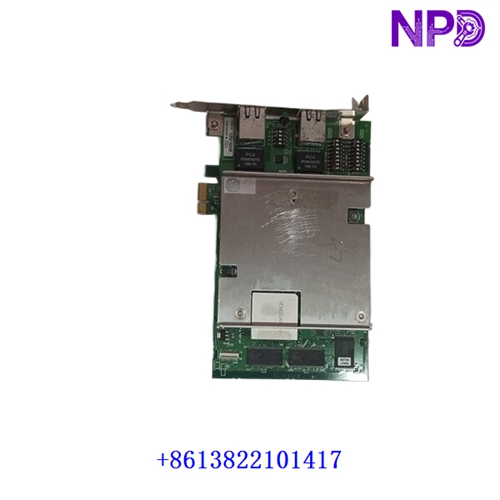
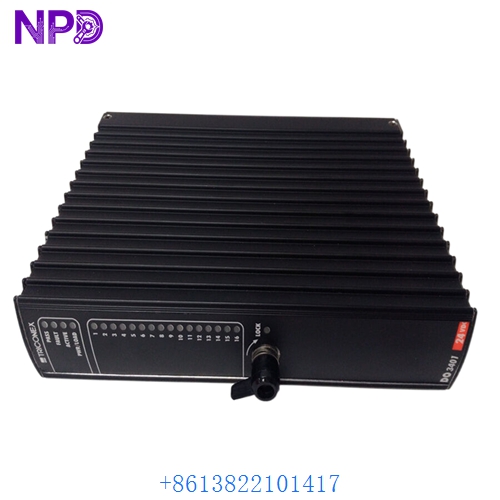
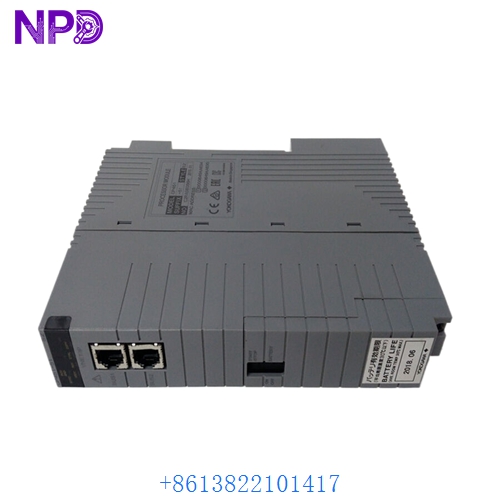
The Yokogawa S2EN501-S00030-S1 is an advanced optical ESB (Extended Serial Backplane) bus repeater slave module designed specifically for Yokogawa CENTUM VP and ProSafe-RS distributed control and safety systems. It functions as a remote communication node that converts electrical ESB bus signals into optical signals, allowing control networks to span significantly longer distances between node units while providing robust immunity against electromagnetic interference (EMI) in harsh industrial environments.
📊 Product Datasheet
| Parameter | Value |
| Brand | Yokogawa |
| Model / Part Number | S2EN501-S00030-S1 |
| Series | CENTUM VP / ProSafe-RS Optical ESB Bus Repeater System |
| Product Name | Optical ESB Bus Repeater Slave Module |
| Origin | Japan |
| Product Status | Active / Industrial Automation Spare Part |
| Transmission Distance | Up to 5 km per hop (Max 50 km in multi-stage configurations) |
| Optical Interface | LC Optical Connectors (2 Cores) |
| Dimensions / Weight | Compact Form Factor / Approx. 0.3 kg |
| Country of Origin | Japan (JP) |
| Power Rating | Low Voltage DC Powered (Backplane Bus) |
🛠️ Operation Standards and Usage Methods
🔸 Handling Precautions: Ensure that the node unit housing the module is completely de-energized and locked out before installation or removal. Always wear a certified anti-static wrist strap to safeguard sensitive microelectronic components against electrostatic discharge (ESD).

🔸 Installation Procedure: Carefully slide the S2EN501-S00030-S1 slave module into its designated slot within the compatible base unit (such as the S2NN30D node unit). Press firmly until the backplane edge connectors engage completely, then secure any integrated retaining screws.
🔸 Fiber-Optic Cabling & Startup: Connect the incoming optical fiber cables (utilizing standard LC connectors linked to the corresponding master repeater unit) ensuring optical end-faces are pristine. Power on the system and observe the onboard diagnostic LEDs to confirm link synchronization and normal operating status.
🚨 Emergency Shutdown Procedures
🔺 System Power Isolation: In the event of a critical electrical fault, control cabinet emergency, or severe communication loop failure, immediately disconnect the primary power feeds supplying the node chassis.
🔺 Optical Safety: Never look directly into active fiber-optic connector tips or transceiver ports while the optical transmitter is energized to prevent potential eye injury from invisible infrared laser light.
🔺 Post-Incident Inspection: Allow the assembly to cool and stabilize completely before inspecting optical jumper connections, transceiver ports, and module housing for physical or environmental damage.
🔍 Troubleshooting and Common Issues
⚠️ Issue 1: Optical Link Failure or Link Loss LED Active
Troubleshooting Method: Inspect the LC fiber-optic patch cables for tight bends, pinching, or contamination. Clean the optical connectors using approved fiber-cleaning tools and verify that matching master/slave repeater channels are correctly mapped.
⚠️ Issue 2: Module Unresponsive / Power Fault
Troubleshooting Method: Verify that the slave module is pushed completely home and securely seated in its backplane slot. Check local node power supply rails to ensure operating voltages remain within specified tolerances.
⚙️ Routine Maintenance and Care
🔹 Periodic Visual Inspection: Conduct routine monthly checks of the control cabinet to verify that optical cables are securely strain-relieved, terminal connections are tight, and internal fans/filters are clean.
🔹 Environmental Management: Ensure that the control room or marshalling enclosure maintains stable ambient operating temperatures and non-condensing humidity levels to prevent premature electronic or optical degradation.
🔹 Diagnostic Audits: Periodically review system error logs and bus health diagnostics via the CENTUM VP engineering workstation to track communication performance and intercept minor signal jitter early.
💡 Frequently Asked Questions Q&A
❓ Q1: What is the primary function of the S2EN501-S00030-S1 module?
💬 A1: It acts as an optical slave repeater that bridges electrical ESB bus signals over long-distance fiber-optic links back to the master controller node in Yokogawa DCS architectures.
❓ Q2: Can this module be hot-swapped during live system operation?
💬 A2: Standard plant safety guidelines and system architecture rules generally recommend isolating power to the specific node segment or following strict vendor redundancy procedures before replacing bus hardware.
❓ Q3: How should spare optical repeater modules be stored?
💬 A3: Store spare units in their original anti-static packaging with protective dust caps securely fitted over the optical ports, kept inside a clean, dry, climate-controlled storage environment.