Description
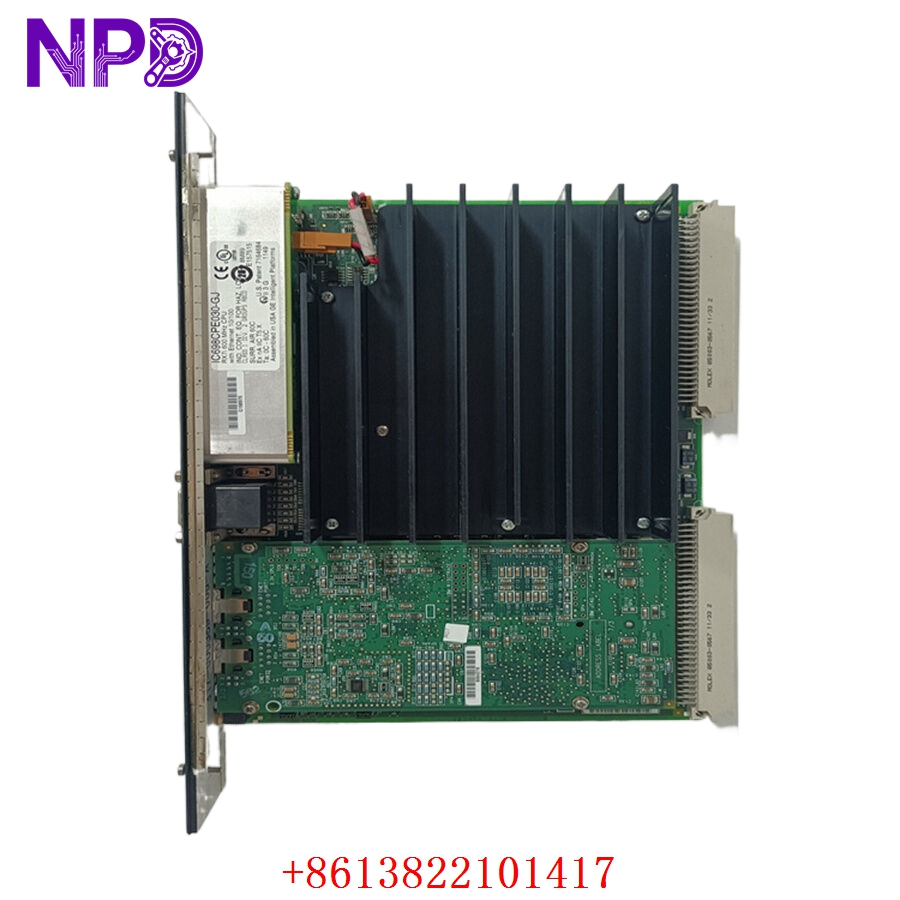
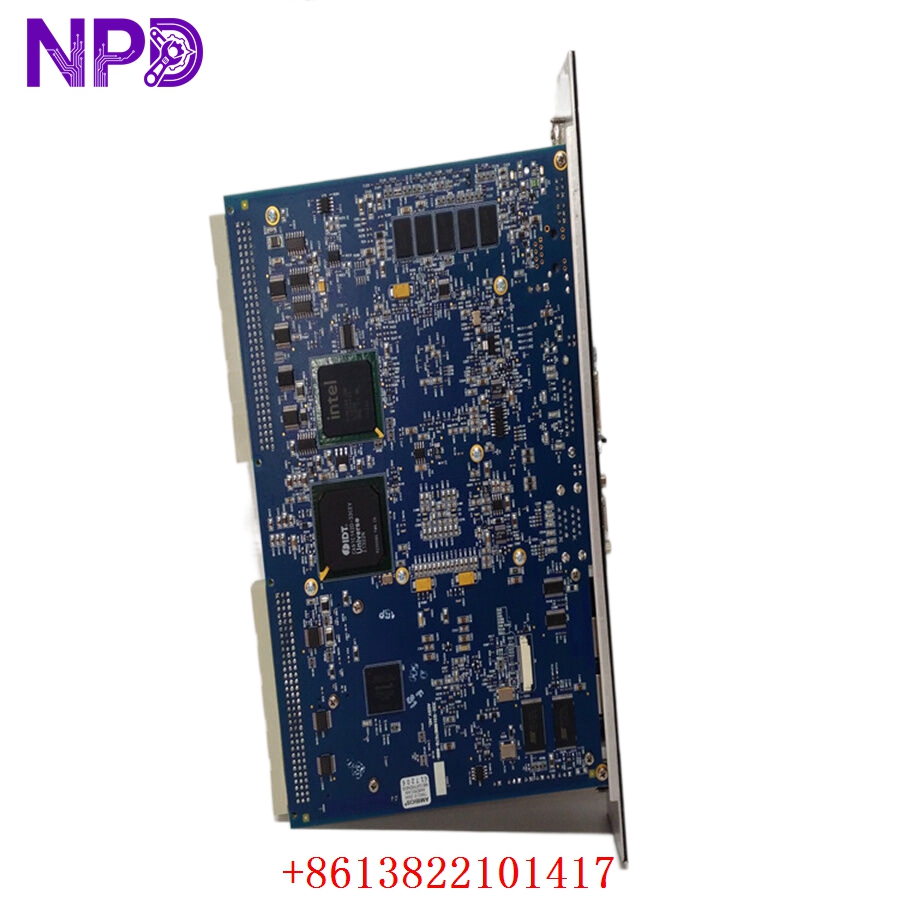
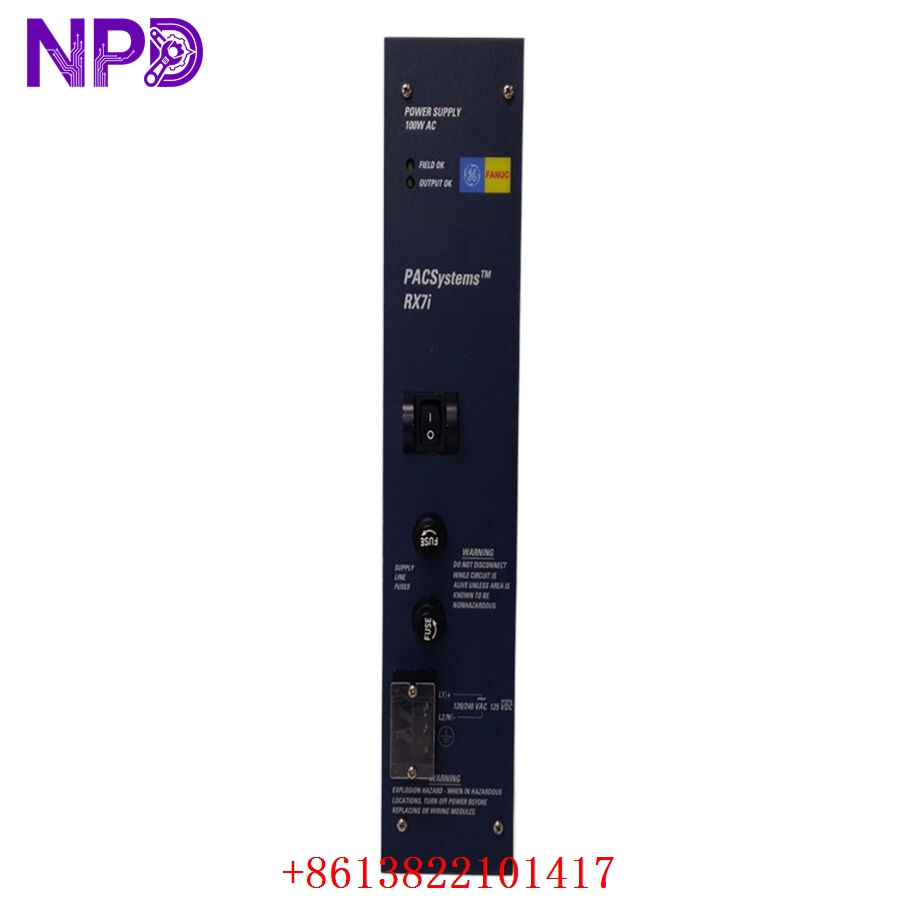
- Model: GE IS200TREGH1BEC (TREG is the core functional module; H1BEC denotes the specific hardware revision)
- Brand: General Electric (GE Vernova)
- Series: Mark VI Turbine Control System
- Core Function: Serves as the Emergency Trip Interface Terminal Board, providing critical safety relay logic to trip the turbine based on protection system commands, Original New Surplus condition
- Type: Emergency Trip Terminal Board
- Key Specs: High-speed relay outputs | Triple-redundant voting signal processing | Critical safety hardware
- Function: Interface between the Mark VI protection controller and the turbine emergency trip devices (e.g., trip solenoids, master trip relays)
- Connectivity: High-density terminal block interface for field wiring; ribbon cables for processor module interface
- Relay Output: Features high-speed, heavy-duty relay outputs capable of breaking critical safety circuits
- Redundancy: Supports triple-modular redundant (TMR) turbine protection schemes (I/O signals mapped to \langle R \rangle, \langle S \rangle, \langle T \rangle processors)
- Diagnostic Features: Onboard LEDs for relay status monitoring and health diagnostics
- Power Requirements: Powered via the Mark VI rack backplane bus (24 V DC)
- Environment: Designed for industrial turbine enclosure environments (-30 °C to +65 °C)
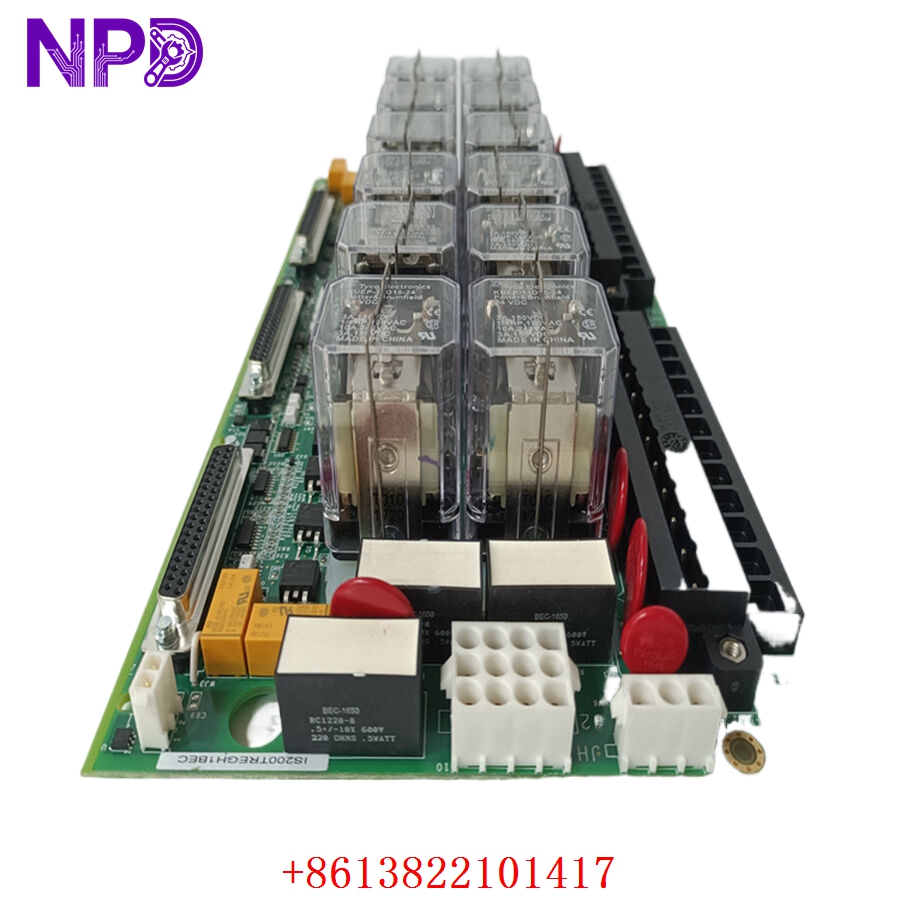
GE IS200TREGH1BEC
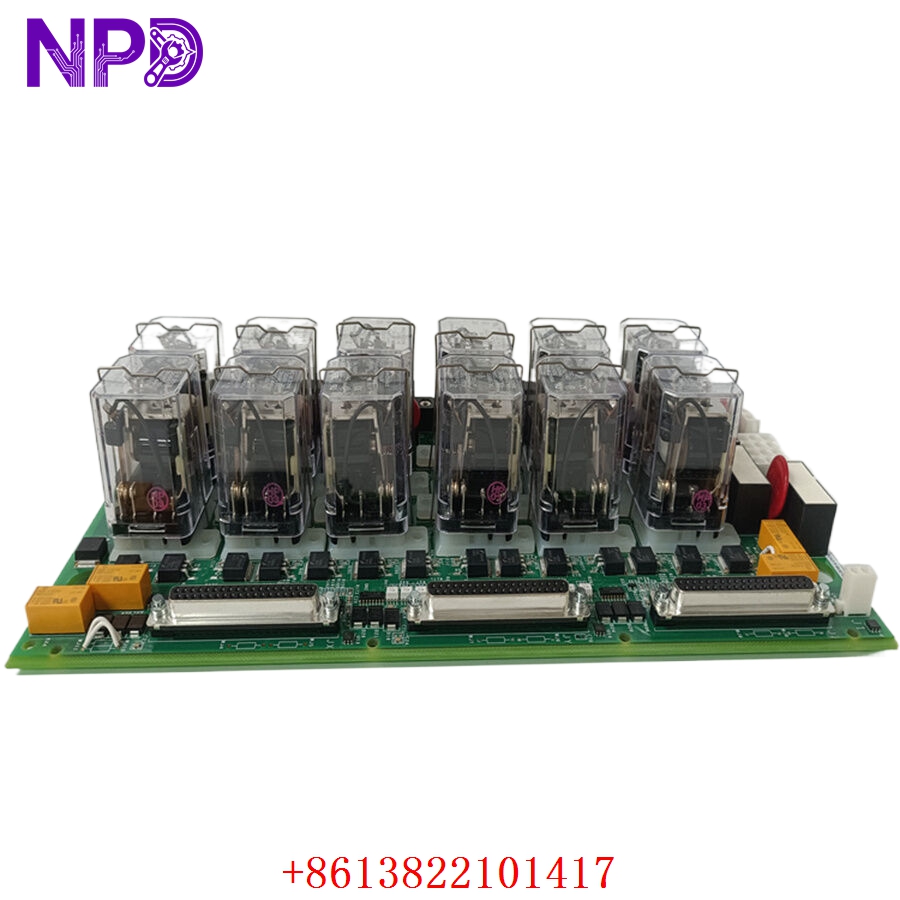
GE IS200TREGH1BEC
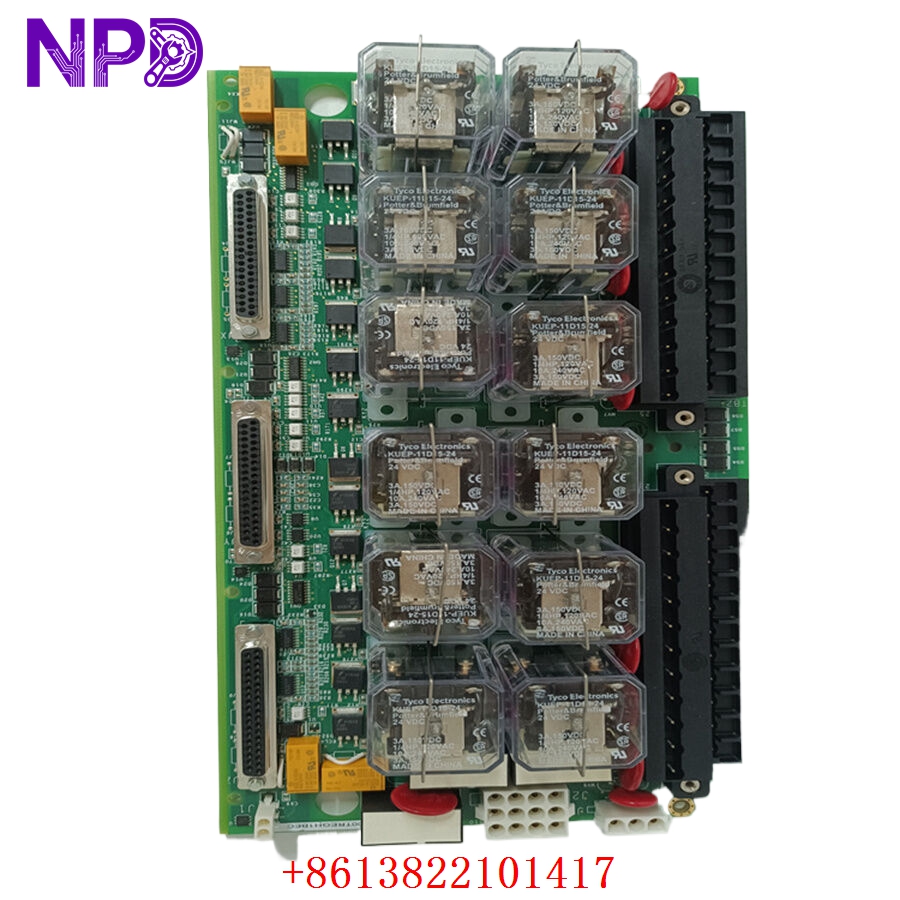
GE IS200TREGH1BEC
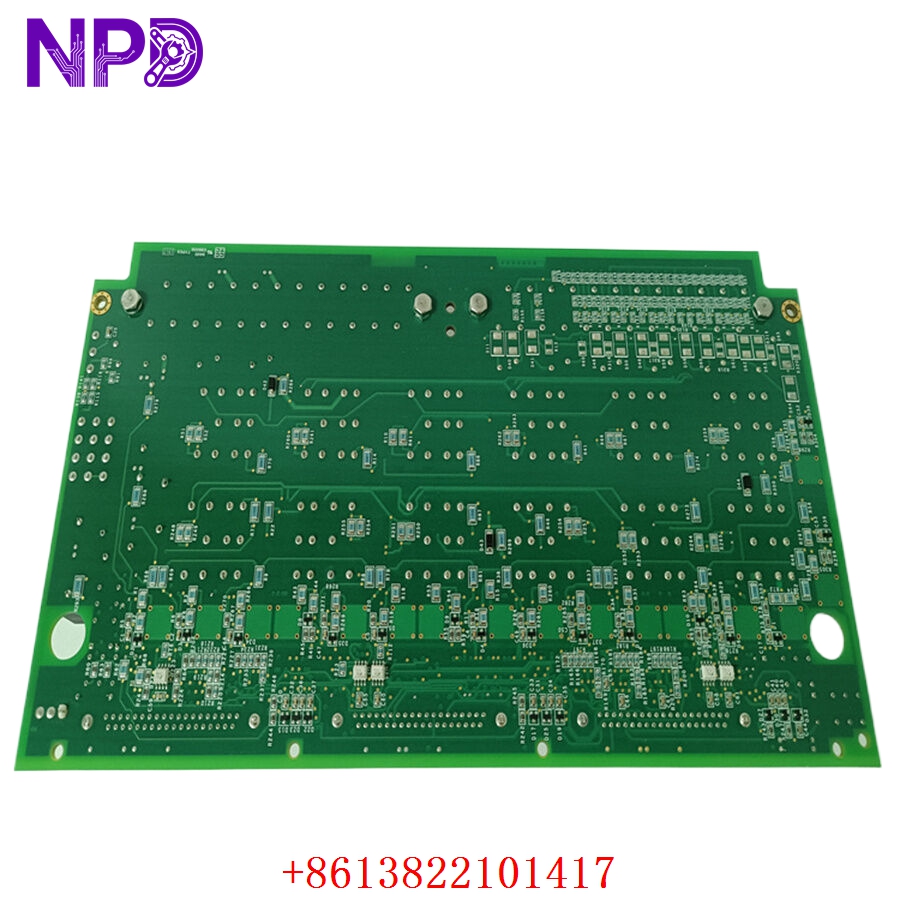
GE IS200TREGH1BEC
Part 4: Installation & Configuration Guide
Phase 1: Pre-Installation (Estimated Time: 20 minutes)
⚠️ Safety First:
- Ensure the turbine is in a “Shutdown” state and that all energy sources (steam, fuel, hydraulic) are locked out (LOTO).
- Use an anti-static wrist strap to prevent damage to sensitive CMOS components.
- Verify that the Mark VI rack power is turned off before removing or inserting any TREG board.
Tool Preparation:
- Phillips screwdriver for securing terminal blocks
- Flathead screwdriver for board mounting screws
- Multimeter for checking relay continuity and voltage levels
Phase 2: Removal & Installation (Estimated Time: 30 minutes)
- Labeling: Carefully label every wire landing on the terminal board terminals. Since this is an emergency trip board, incorrect wiring during re-installation can prevent a turbine trip or cause a false trip.
- Removal: Unplug all field terminal block connectors. Unscrew the mounting hardware and slide the IS200TREGH1BEC board out of the rack enclosure.
- Installation: Seat the new board into the chassis. Ensure all backplane pins align properly.
- Wiring: Reconnect terminal blocks. Verify every wire matches your labels from the removal step. Use a multimeter to verify no shorts exist between terminals and the cabinet ground.
Phase 3: Verification (Estimated Time: 15 minutes)
- Power Up: Energize the Mark VI rack.
- Diagnostic Check: Check the status LEDs on the faceplate. A “Ready” or “Healthy” status should be indicated.
- Logic Verification: In the Mark VI ToolboxST software, verify that the TREG board is communicating with the protection processors.
- Relay Test: Perform a controlled test of the trip relays (if applicable to your site safety procedures) to ensure they respond to a “Trip” command from the controller.
Part 5: Industry Applications
Case 1: Critical Turbine Protection
A gas-fired power plant experienced a relay failure on their primary trip circuit board. The IS200TREGH1BEC replacement was sourced and installed during a planned maintenance window. The high-reliability relay architecture ensured the plant returned to service with an fully validated safety system.
Case 2: Mark VI System Maintenance
An aging power plant conducted a preventative maintenance upgrade for their turbine protection racks. Replacing older TREG board revisions with the H1BEC version improved the reliability of their emergency trip logic and streamlined their spare parts inventory.
Part 6: Frequently Asked Questions (FAQ)
Q1: What is the significance of the “H1BEC” revision?
A: The “H1BEC” revision denotes a specific iteration of the board’s design, including trace layout optimizations and component updates over earlier versions (e.g., H1BA). In almost all cases, the H1BEC is backwards compatible and serves as the preferred replacement for older versions in a Mark VI system.
Q2: Why is the TREG board considered “Critical”?
A: The TREG board is the final hardware link in the turbine trip path. If it fails, the system may be unable to command an emergency trip during a mechanical overspeed or other critical fault event, posing a significant risk to equipment and personnel.
Q3: How do I handle a “Trip Relay Fault” alarm?
A: A trip relay fault usually indicates a relay contact failure or an open circuit in the solenoid coil wiring. Check the terminal wiring for loose connections and use the ToolboxST software to confirm the relay command output is functioning.