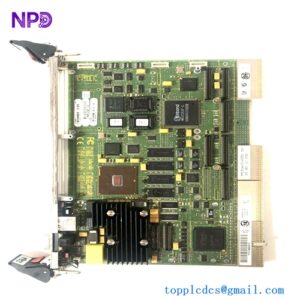
Description
Product Description
The KONGSBERG SEATEX HMS 100 (M410-10) is a marine helideck monitoring system designed to measure vessel and helideck motion during helicopter landing and takeoff operations. It provides real-time information to assist the flight crew and deck personnel in assessing helideck movement and prevailing environmental conditions.
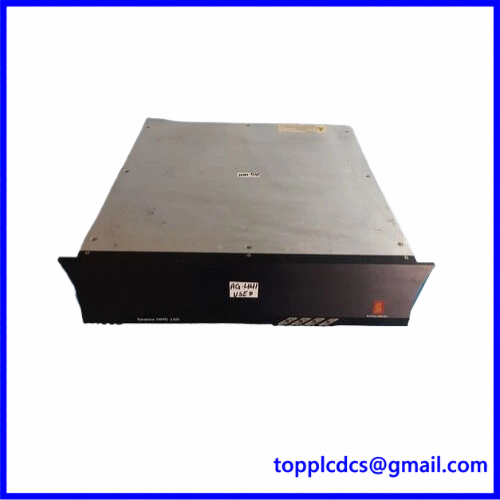
HMS 100 M410-10
Main Functions & Applications
- Helideck motion monitoring: Measures and displays vessel motion affecting the helicopter landing area.
- Heave measurement: Calculates relative vertical movement of the helideck.
- Heave velocity monitoring: Provides vertical-motion velocity information.
- Roll and pitch monitoring: Displays vessel angular movement.
- Inclination monitoring: Presents helideck inclination information.
- Meteorological monitoring: Interfaces with supported sensors for wind and other weather parameters.
- Navigation data integration: Can receive GPS and gyrocompass information.
- Operator visualization: Presents measurement data through the HMS operator display.
- Offshore operational support: Helps deck personnel and flight crews assess changing helideck conditions.
Typical applications include:
- Offshore platform helidecks.
- Floating production, storage, and offloading vessels.
- Offshore support vessels.
- Seismic survey vessels.
- Marine helicopter landing facilities.
- Offshore installations operating in changing sea and weather conditions.
Product Datasheet & Parameters
- Brand: KONGSBERG SEATEX
- Model: HMS 100
- Part Number: M410-10
- Product Name: Helideck Monitoring System
- Product Type: Marine Motion and Environmental Monitoring System
- Controller Platform: 7608, as identified in the supplied listing
- Processing Unit Format: 19-inch rack-mountable
- Processing Unit Height: 3U / 132 mm
- Processing Unit Width: 482 mm
- Processing Unit Depth: 430 mm
- Processing Unit Weight: Approximately 12 kg
- Processing Unit Power Supply: 110–240 V AC
- Power Consumption: Maximum 75 W
- Operating System: Windows XP Professional in the documented configuration
- Communication Interfaces: 3 × RS-232 and 3 × RS-422 serial lines in the published system specification
- Motion Sensor: Compatible SEATEX MRU series
- Motion Parameters: Heave, heave velocity, roll, pitch, and inclination
- Meteorological Inputs: Wind speed, wind direction, air temperature, humidity, barometric pressure, cloud height, visibility, and present weather, depending on installed sensors
- Navigation Inputs: GPS and gyrocompass data, subject to configuration
- Standard Display: 17-inch LCD monitor in the documented standard configuration
- Place of Manufacture: Norway
- Country of Origin: Norway, subject to nameplate confirmation
- Product Condition: Used, according to the supplied listing
- Dimensions and Weight: Values above refer to the processing unit, not the complete HMS installation
- Discontinued Status: Current manufacturer lifecycle status not confirmed
The HMS 100 is a multi-component system. The processing unit’s specifications should not be confused with those of the MRU, display, meteorological sensors, or associated junction boxes.
Application Scenarios & Operational Benefits
The HMS 100 is intended to provide operational information about helideck motion and environmental conditions, particularly on offshore vessels where vessel movement can affect helicopter landing operations.
During offshore operations, the MRU measures vessel motion and supplies data to the processing unit. The HMS software processes the information and displays helideck movement parameters for the relevant personnel.
When meteorological sensors are connected, the system can combine motion information with wind, temperature, humidity, and other environmental measurements. This gives operators a broader view of the conditions around the landing facility.
Its main operational benefits include:
- Continuous monitoring of helideck movement.
- Clear presentation of vessel motion parameters.
- Access to environmental measurements from supported sensors.
- Integration of motion, meteorological, and navigation data.
- Support for operational assessment by helideck personnel.
- Centralized monitoring through a dedicated processing and display arrangement.
Important operational limitation: The HMS 100 is designed as a helicopter landing aid, not as a landing guide or an automatic authorization system. Flight crews and responsible personnel must follow applicable aviation procedures and operational limits.
Installation & Commissioning Guide
- Verify the equipment identity. Check the HMS 100 model, M410-10 part number, serial number, controller platform, and hardware identification label.
- Confirm the scope of supply. Determine whether the package includes the processing unit only or also the monitor, MRU, junction box, cables, and meteorological sensors.
- Check the installation location. The processing unit is designed for a standard 19-inch rack and is typically installed on the bridge or in an instrument room.
- Verify the electrical supply. Confirm the processing unit’s 110–240 V AC input rating and protective-earth connection before energizing.
- Inspect the rack and ventilation. Ensure the equipment is securely mounted and that airflow and service clearance are maintained.
- Install the MRU. Use the approved mounting location and orientation specified by the installation documentation. Incorrect sensor alignment can affect measurement accuracy.
- Connect the MRU junction box. Verify cable termination, power connections, communication wiring, and shielding.
- Connect meteorological sensors. Confirm the sensor types, terminal assignments, and data communication settings against the installed system documentation.
- Connect the operator display. Verify the display interface, resolution, and software configuration.
- Configure the system. Restore the approved vessel-specific configuration, calibration data, sensor assignments, and software settings.
- Perform functional checks. Verify motion measurements, sensor communication, environmental data, and display operation.
- Validate the installation. Compare measurement results with approved reference data and record the commissioning results before operational use.
The system should be installed and commissioned by qualified marine electronics personnel. Preserve the original calibration and configuration files whenever replacing a processing unit.
Daily Maintenance & Care
- Check the processing unit for abnormal alarms and system messages.
- Confirm that the display presents current motion measurements.
- Inspect rack mounting, connectors, and protective-earth connections.
- Check the MRU mounting structure for looseness, movement, or mechanical damage.
- Inspect the MRU cable and junction box for moisture ingress and corrosion.
- Verify that connected meteorological sensors provide plausible readings.
- Check the display and operator controls for normal operation.
- Keep ventilation openings free from dust and obstruction.
- Maintain backups of configuration, calibration, and recovery files.
- Record irregular readings and communication interruptions in the vessel maintenance log.
Troubleshooting & Common Problems
Problem: HMS 100 processing unit does not start
Possible causes include an incorrect AC supply, a blown fuse, a damaged power cable, or an internal computer fault.
Recommended checks: Verify the AC input, protective earth, fuse rating, and power connections. Do not replace the fuse with a different type or rating.
Problem: MRU data is unavailable
Possible causes include a disconnected MRU cable, faulty junction-box wiring, incorrect communication settings, or an MRU malfunction.
Recommended checks: Inspect the MRU cable, junction-box terminals, power supply, and serial communication settings. Confirm that the installed MRU type is supported by the system software.
Problem: Heave or vessel-motion values appear incorrect
Possible causes include incorrect MRU orientation, unsuitable mounting, incorrect calibration, or a sensor fault.
Recommended checks: Verify the mounting orientation and configuration against the approved installation drawings. Do not modify calibration parameters without authorized technical approval.
Problem: Meteorological measurements are missing
Possible causes include disconnected sensors, incorrect sensor configuration, communication faults, or an unsupported sensor model.
Recommended checks: Verify sensor power, cable continuity, terminal assignments, and configuration settings. Check each sensor independently where possible.
Problem: Display does not show live information
Possible causes include a display connection fault, processing-unit software problem, incorrect display configuration, or a communication interruption.
Recommended checks: Inspect the display connection, verify that the processing unit is running, and review the HMS application status.
Problem: System configuration is lost or corrupted
Possible causes include storage failure, software corruption, or an unsuccessful recovery operation.
Recommended checks: Use the approved HMS configuration backup and recovery procedure. Verify the software version and vessel-specific calibration data before returning the system to service.
Safety Precautions
- The HMS 100 provides monitoring information and must not be used as the sole basis for helicopter landing authorization.
- Follow the vessel’s approved helicopter operations procedures and applicable aviation regulations.
- Confirm that the system is fully operational before relying on its measurements.
- Connect the processing unit to a properly grounded AC supply.
- Use the specified fuse type and rating.
- Isolate electrical power before opening equipment or changing wiring.
- Do not relocate or rotate the MRU without following the approved mounting and calibration procedures.
- Protect sensor cables and junction boxes against moisture, vibration, and mechanical damage.
- Do not modify system software or calibration values without authorized approval.
- Maintain the required operational backup procedures if the HMS becomes unavailable.
Frequently Asked Questions
Q1: What is the KONGSBERG SEATEX HMS 100 used for?
A: It is a marine helideck monitoring system used to measure vessel motion and environmental conditions relevant to helicopter landing and takeoff operations.
Q2: What motion parameters does the HMS 100 measure?
A: It monitors helideck heave, heave velocity, roll, pitch, and inclination using data from a compatible Motion Reference Unit.
Q3: Can the HMS 100 monitor weather conditions?
A: Yes. With compatible meteorological sensors installed, it can receive and display wind speed, wind direction, air temperature, humidity, barometric pressure, cloud height, visibility, and present weather.
Q4: What is the processing unit’s power requirement?
A: The documented processing unit operates from 110–240 V AC and has a maximum power consumption of approximately 75 W. Confirm the actual unit’s nameplate before connection.
Q5: What are the processing unit’s dimensions?
A: The documented unit is approximately 482 mm wide, 132 mm high, and 430 mm deep, with a weight of approximately 12 kg.
Q6: Which MRU models are compatible?
A: The documented HMS 100 installation supports MRU 5+, MRU 5, MRU E, MRU H, and MRU 3 configurations, subject to the applicable software and installation version.
Q7: Does the HMS 100 include the monitor and MRU?
A: A complete system configuration includes a processing unit, MRU, monitor, MRU junction box, and associated cables. The supplied listing must be checked to establish which components are actually included.
Q8: Can the HMS 100 be used as an automatic landing guide?
A: No. It is a landing aid intended to provide motion and environmental information. It does not replace the pilot’s judgment or approved helicopter landing procedures.
Recommended Related KONGSBERG SEATEX Models & Components
The following products are associated with the HMS 100 system or its documented installation. They are related system components, not direct replacements for the M410-10 processing unit.
- SEATEX MRU 5+ – Motion Reference Unit for vessel-motion measurement.
- SEATEX MRU 5 – Motion Reference Unit.
- SEATEX MRU E – Motion Reference Unit variant.
- SEATEX MRU H – Motion Reference Unit variant.
- SEATEX MRU 3 – Motion Reference Unit variant.
- SEATEX MRU-M-SC1 – MRU transportation box.
- SEATEX MRU-M-MB4 – MRU wall-mounting bracket.
- SEATEX MRU-E-JB3 – MRU junction box.
- SEATEX MRU-E-CS8 – MRU junction-box cable.
- SEATEX MRU-E-CE1 – Ethernet configuration cable.
- SEATEX G060-32 – Standard 17-inch LCD monitor.
- SEATEX G032-10 – Processing-unit power cable.
- SEATEX MRU-SW-ED – MRC configuration software and documentation package.
- SEATEX M410-24 – HMS software recovery stick.
- SEATEX M440-75 – HMS product manual.
For spare-parts inquiries, provide the complete M410-10 nameplate photograph, serial number, controller platform identification, software version, and a list of included system components. This information helps establish whether the equipment is suitable for the intended vessel installation.