Description
- Model: MOTOROLA MVME-5100
- Brand: Motorola Computer Group / Emerson Network Power lineage
- Series: MVME VMEbus Single Board Computer Series
- Core Function: Embedded CPU processing for VMEbus industrial and telecom systems
- Product Type: Single Board Computer (SBC) / Embedded Controller
- Key Specs: PowerPC architecture VMEbus interface Dual Ethernet support
The MVME-5100 sits in a category many younger engineers rarely touch anymore: VMEbus embedded computing.
But in power plants, telecom systems, transportation infrastructure, and defense-related industrial platforms… these boards are still everywhere.
And honestly, replacing them is rarely straightforward.
Why?
Because the board itself is only one piece of the puzzle:
- Backplane compatibility
- Firmware revision
- Operating system image
- PMC expansion cards
- Legacy drivers
- Boot ROM settings
All of those matter.
I’ve seen shutdowns extended by two full days because someone replaced the hardware but forgot the old boot parameters stored in NVRAM.
That’s the kind of detail that hurts during commissioning.
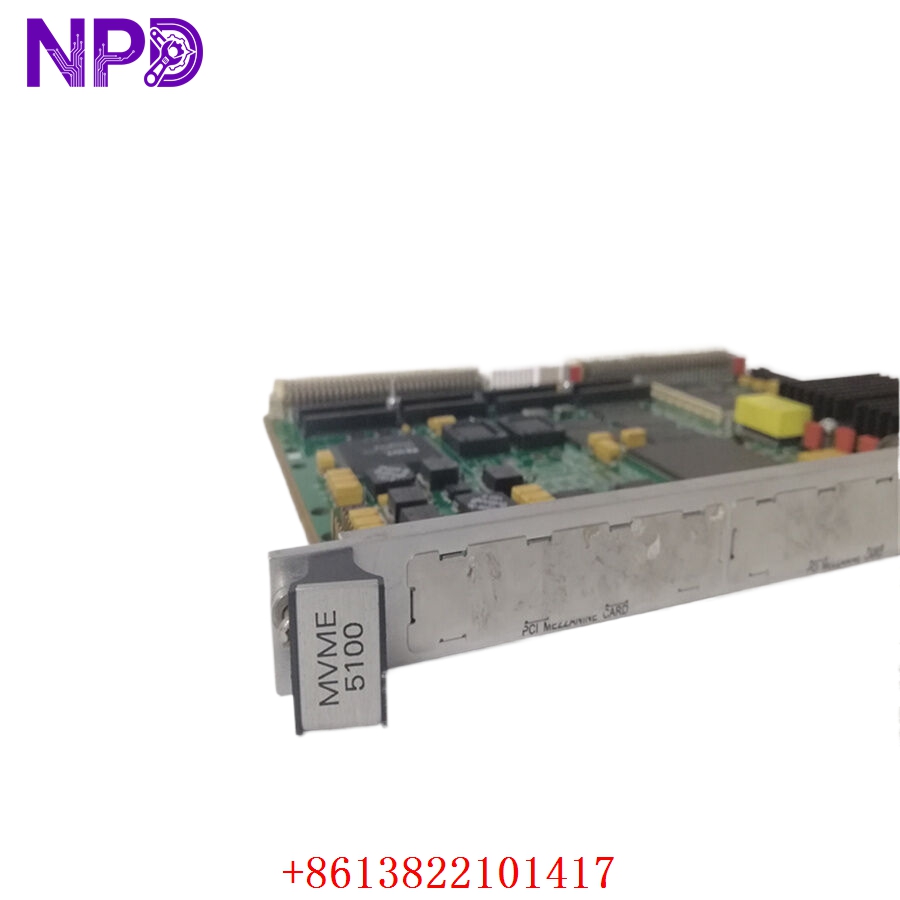
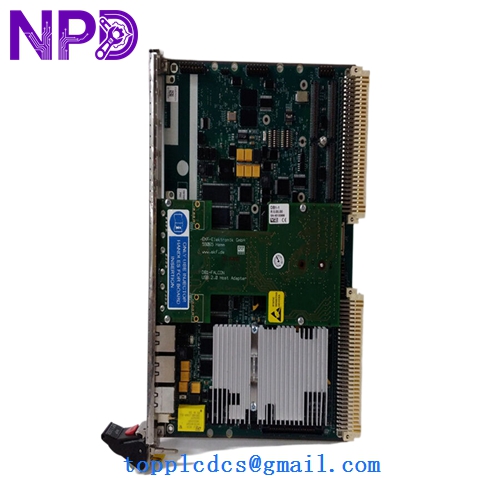
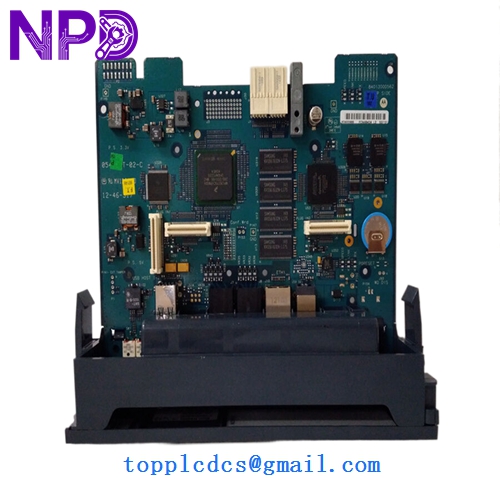
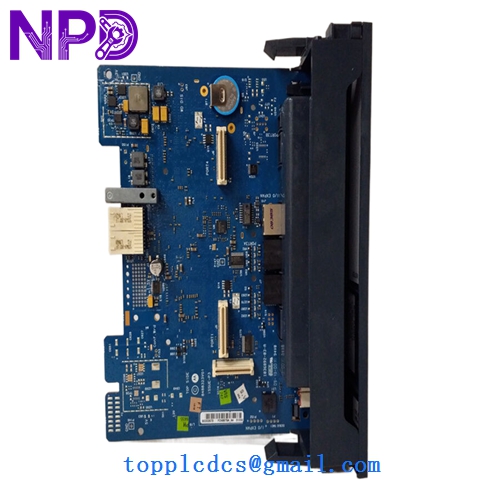
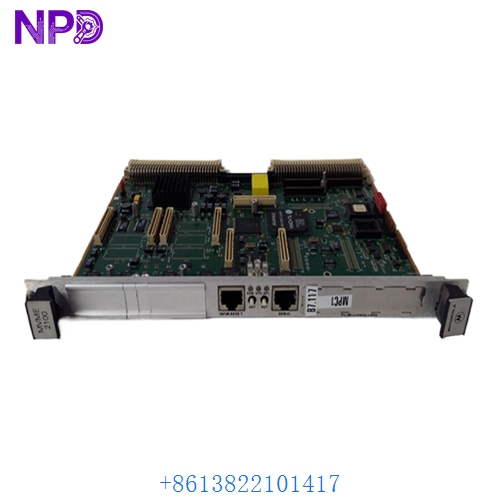
MOTOROLA MVME-5100
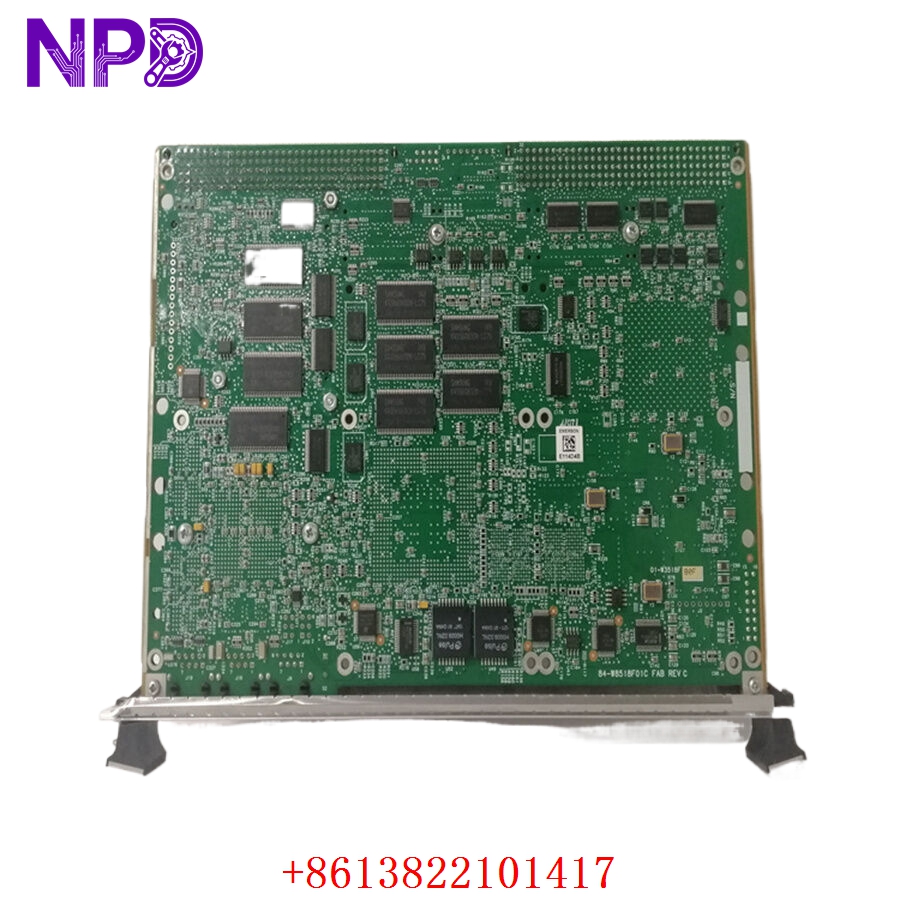
MOTOROLA MVME-5100
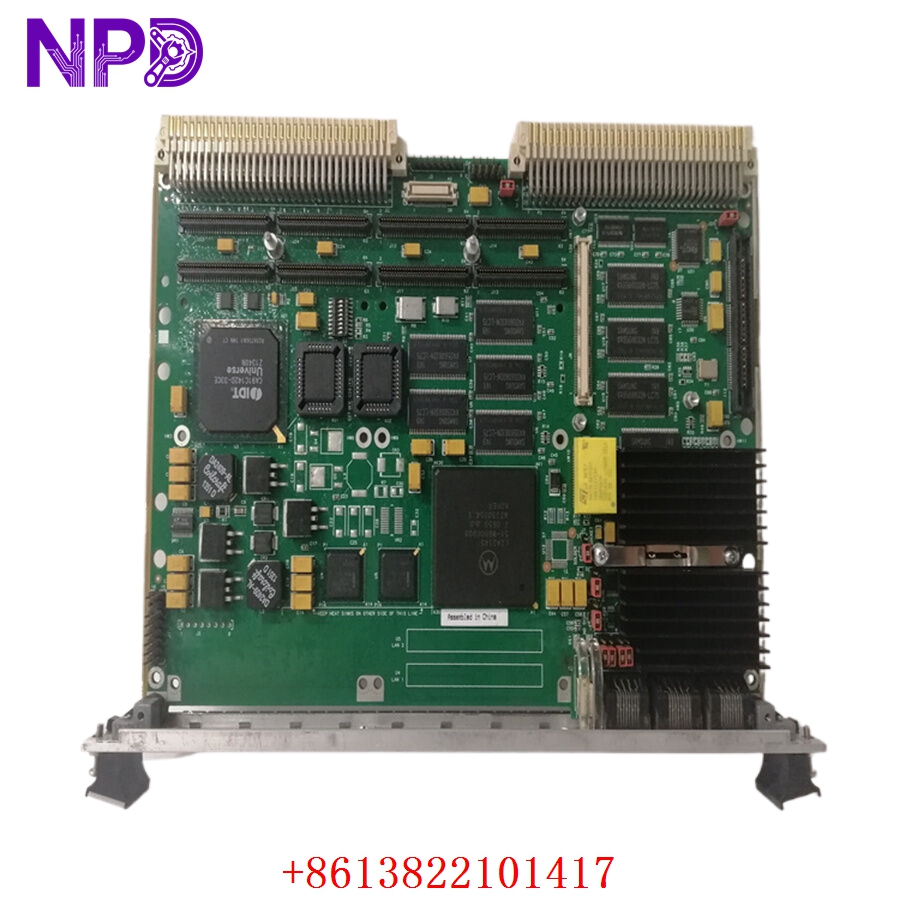
MOTOROLA MVME-5100
Key Technical Specifications
- Processor Architecture: PowerPC MPC750 / MPC7400 family
- CPU Speed: Up to 400 MHz–1 GHz depending on revision
- Bus Architecture: VMEbus VME64 support
- Memory Support: Up to 1 GB SDRAM
- Flash Memory: Onboard boot flash storage
- Ethernet Ports: Dual 10/100 Ethernet interfaces
- Serial Interfaces: Multiple asynchronous serial ports
- PMC Expansion: One or more PMC expansion slots
- Graphics Support: Optional onboard graphics controller
- USB Support: USB interface on select revisions
- Operating Systems: VxWorks, Solaris, Linux, proprietary RTOS
- Power Input: VME backplane powered
- Cooling Requirement: Forced-air cooling strongly recommended
- Operating Temperature: Typically 0 °C to 55 °C
- Form Factor: 6U VMEbus SBC
- Typical Applications: Industrial control, telecom, defense, transportation
Application Scenarios & Pain Points
The MVME-5100 usually appears inside systems that cannot tolerate unpredictable downtime.
Typical environments include:
- Turbine monitoring
- Railway signaling
- Telecom switching
- Radar processing
- Factory process supervision
And here’s the reality nobody likes to discuss…
Most of these systems were engineered 15–25 years ago.
Documentation may be incomplete.
Original engineers may be retired.
Backup images may exist only on old CDs.
So when the board fails, engineers face two simultaneous problems:
- Hardware replacement
- System knowledge recovery
That second problem is often harder.
Typical Application Scenarios
- Power Generation – Turbine Monitoring Systems
Processes high-speed vibration and supervisory data inside VME-based monitoring racks. - Telecom Infrastructure – Network Switching Platforms
Operates embedded communication control applications requiring deterministic uptime. - Transportation – Railway Signaling Systems
Supports real-time route control and safety interlock processing. - Industrial Automation – Distributed Control Systems
Handles embedded process control and data acquisition tasks. - Aerospace & Defense – Embedded Mission Systems
Interfaces high-reliability VMEbus hardware in rugged environments.
Real Project Example – “The Replacement Board Wouldn’t Boot”
A power station needed emergency replacement of an aging MVME-5100 during a turbine outage.
Symptoms:
- Existing board intermittently froze
- Ethernet communications dropped randomly
- Watchdog resets increased under load
The replacement board physically matched perfectly.
But after installation:
- System halted during boot
- VME peripherals stayed offline
- OS failed to initialize properly
The problem?
NVRAM boot parameters were different from the original board.
Specifically:
- Boot device path
- VME slot addressing
- Network initialization settings
Nobody had backed them up.
The maintenance team eventually recovered the settings from archived commissioning notes and manually rebuilt the configuration.
After correction:
- System booted normally
- VME cards initialized correctly
- Turbine monitoring resumed
That outage taught the plant a painful lesson:
hardware compatibility alone does not guarantee startup success.
Compatible Replacement Models
| Original Model | Replacement Model | Compatibility | Main Difference | Required Changes | Cost Impact |
|---|---|---|---|---|---|
| MVME-5100 | MVME-5100 same revision | ✅ Direct replacement | Matching CPU and firmware family | Minimal | None |
| MVME-5100 | MVME-5500 | ⚠️ Software compatible | Faster CPU and newer chipset | OS and BSP verification required | Medium |
| MVME-5100 | MVME-6100 | ⚠️ Migration path | PCI-X architecture changes | Driver updates and validation | Medium to high |
| MVME-5100 | CompactPCI SBCs | ❌ Hardware incompatible | Different bus architecture | Backplane redesign required | High |
| MVME-5100 | Modern IPC systems | ❌ Not directly compatible | Ethernet-based architecture | Full application migration | Very high |
Practical recommendation:
If the plant depends on validated legacy VME applications, staying within the same MVME generation usually reduces commissioning risk dramatically.