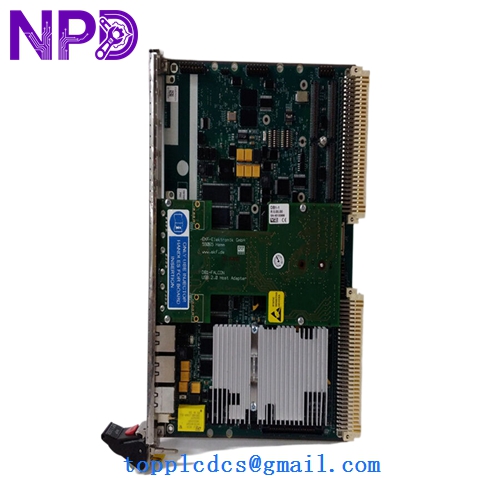

Description
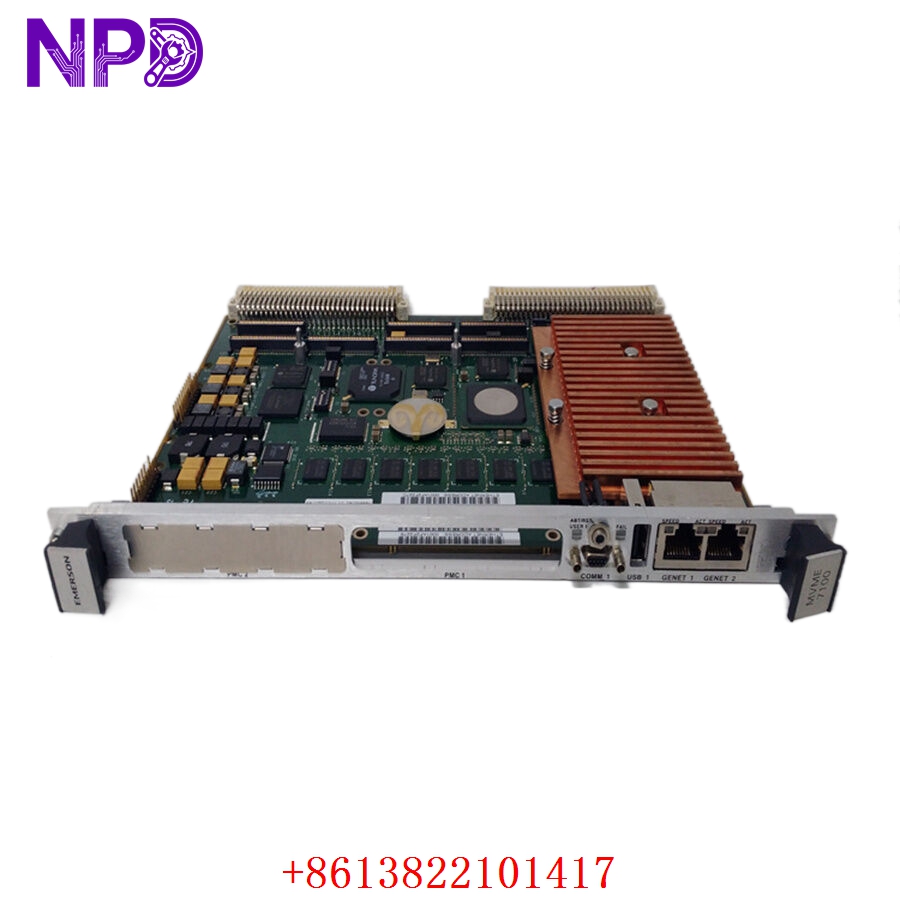
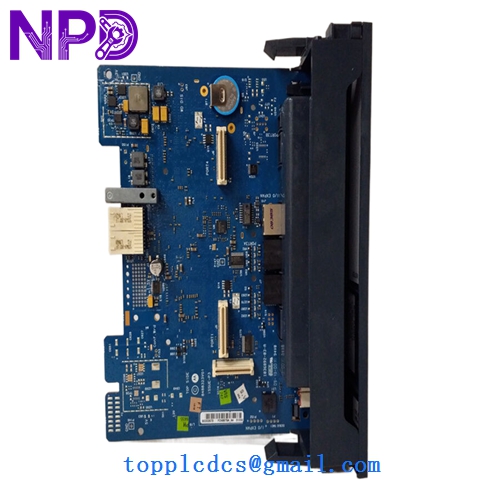
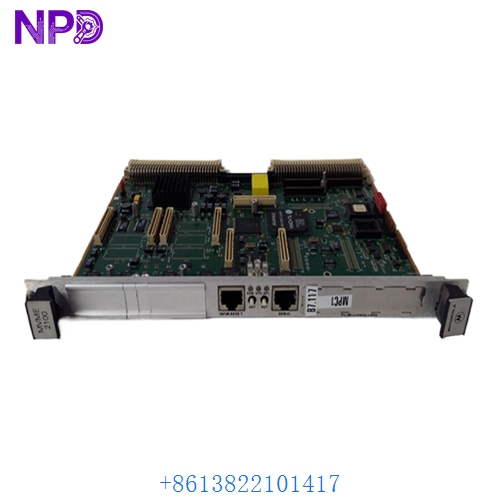
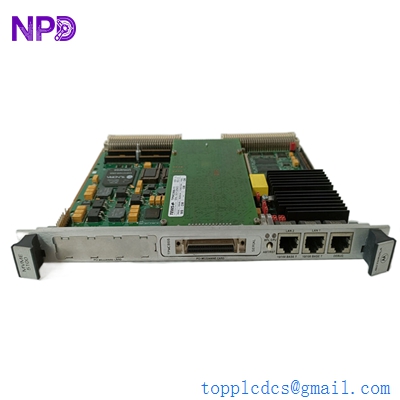
The Motorola MVME6100 series represents a significant leap in VMEbus performance, being the first single-board computer (SBC) to utilize the 2eSST (two-edge source synchronous transfer) protocol. This allows for data transfer rates of up to 320 MB/s across the VMEbus. Powered by the MPC7457 PowerPC processor with AltiVec technology, the MVME6100 is designed for data-intensive applications. When paired with the PMCSPAN MV6100COMI expansion carrier, it provides a highly scalable solution by adding extra PCI Mezzanine Card (PMC) slots for application-specific I/O.
Technical Specifications and Datasheet
- Product Model: MVME6100 / PMCSPAN MV6100COMI
- Manufacturer: Motorola (Emerson / Artesyn)
- Processor: MPC7457 PowerPC @ 1.267 GHz
- Memory: Up to 2GB DDR ECC SDRAM
- Flash Memory: 128MB soldered Flash (in two 64MB banks)
- VMEbus Interface: Tundra Tsi148 (supports 2eSST, 2eVME, VME64)
- Expansion: 32/64-bit, 33/66 MHz PCI connection for PMCSPAN carriers
- Network: Dual Gigabit Ethernet interfaces (10/100/1000Base-TX)
- Dimensions: 233.4 mm x 160.0 mm (Standard 6U VME height/depth)
- Weight: 0.65 kg (Base SBC) / approx. 0.35 kg (PMCSPAN)
- Country of Origin: USA
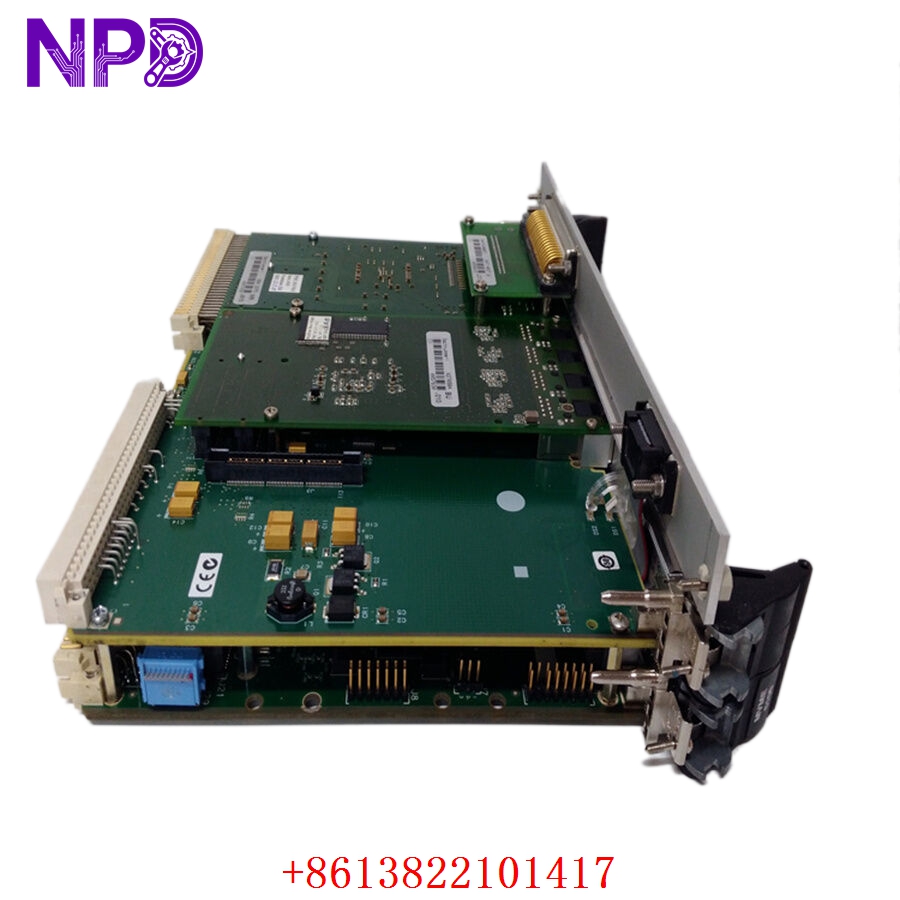
MOTOROLA MVME6100 PMCSPAN MV6100COMI
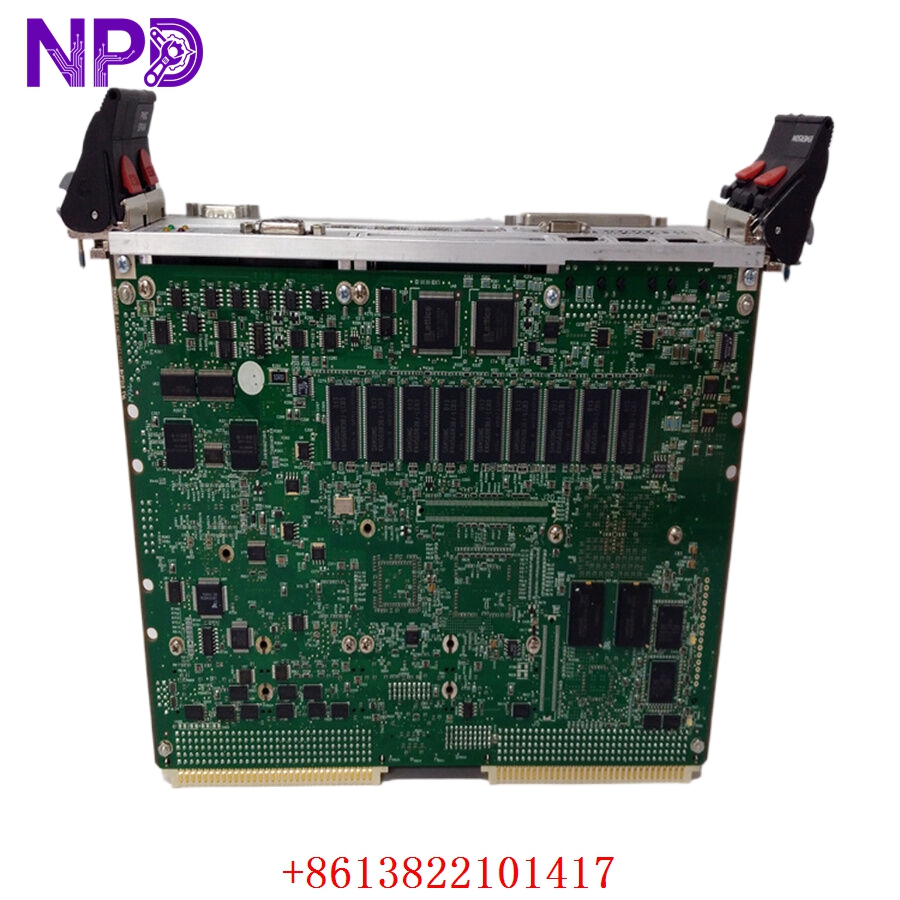
MOTOROLA MVME6100 PMCSPAN MV6100COMI
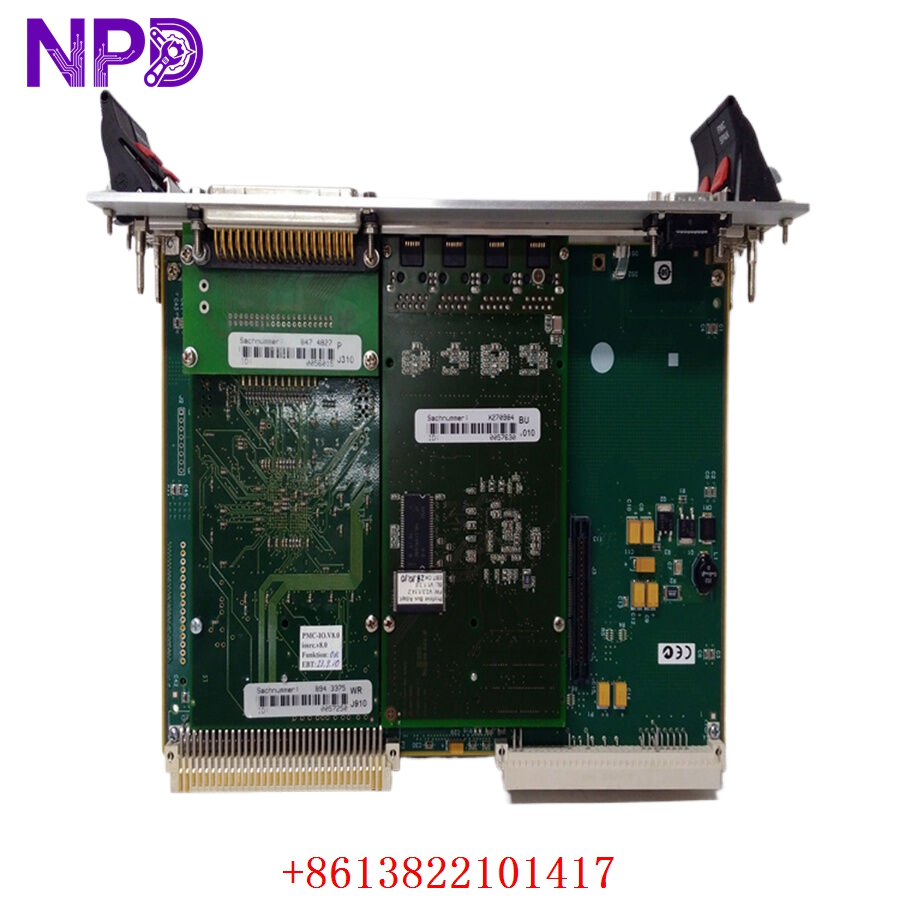
MOTOROLA MVME6100 PMCSPAN MV6100COMI
Application Areas
The MVME6100 and its PMCSPAN expansion units are utilized in high-bandwidth, rugged environments:
- Defense and Aerospace: Command and control systems, radar signal processing, and reconnaissance aircraft.
- Medical Imaging: Algorithm-intensive computations for MRI, PET, and CT scanning systems.
- Industrial Automation: Semiconductor process equipment (SPE) and high-end automated test equipment (ATE).
- Power & Energy: Real-time monitoring and substation control within large-scale utility grids.
Product Instructions
The MVME6100 module is designed for 6U VMEbus backplanes. To install the PMCSPAN (MV6100COMI) expansion, the unit must be physically coupled to the primary MVME6100 SBC via the onboard PCI expansion connector. Ensure the system is powered down before installation to avoid electrical damage. Configuration of the system is typically handled through the Motorola MOTLoad firmware or a supported Real-Time Operating System (RTOS) like VxWorks or Linux. Use the front-panel LEDs—”FAIL,” “STAT,” and “RUN”—to verify the module’s operational state. For high-speed 2eSST transfers, ensure your backplane supports the required signaling speeds and is properly terminated.
Frequently Asked Questions (Q&A)
Q: Can I add more than one PMCSPAN to a single MVME6100? A: Yes, the MVME6100 supports stacking both a primary and a secondary PMCSPAN carrier, allowing for up to four additional PMC sites beyond the two integrated on the base board.
Q: Is the MVME6100 backward compatible with older VME systems? A: Absolutely. While it introduces 2eSST, the Tsi148 controller provides full legacy support for VME64 and traditional VMEbus protocols, allowing it to function in existing infrastructure.
Q: What is the purpose of the AltiVec coprocessor in the MPC7457? A: AltiVec is a 128-bit vector processing unit that allows the CPU to perform parallel data operations, significantly accelerating image processing and signal analysis tasks.
Visit our product catalog for expanded listings and technical details: https://www.newplcdcs.com/products/
Recommended Similar Models
- Motorola MVME5500: High-performance PowerPC G4 SBC with dual Ethernet.
- Motorola MVME5100: Industry-standard VME processor board for general automation.
- Motorola MVME2500: Modern QorIQ-based SBC offering lower power consumption.
- Motorola PMCSPAN-002: Primary PMC expansion carrier with IEEE handles.
- Motorola MVME761: Transition module for flexible I/O routing from the VME backplane.