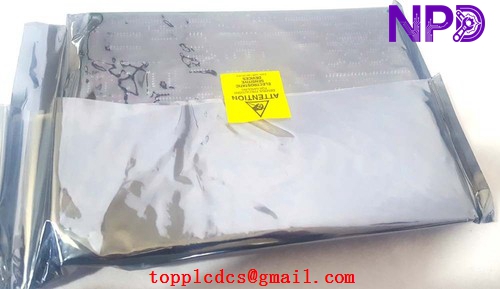

Description
The Nambukeng NBFS-14HA is a precision flame scanner amplifier designed for industrial combustion control and burner management systems (BMS). This unit is critical for the continuous monitoring of flame presence in boilers, furnaces, and industrial ovens. It receives optical signals from a connected flame scanner, amplifies the intensity data, and provides a reliable digital or analog output to confirm that the flame is active. By ensuring high sensitivity and selectivity, the NBFS-14HA helps prevent unburned fuel accumulation, thereby mitigating explosion risks during burner startup and operation.

📋 Technical Specifications
| Parameter | Specification |
|---|---|
| Product Name | Flame Scanner Amplifier |
| Model Number | NBFS-14HA |
| Core Function | Optical flame intensity amplification and signal processing |
| Usage | Burner Management Systems (BMS) in power and process industries |
| Signal Input | Optical pulse or intensity signal from Flame Scanner |
| Output Type | Relay contact (Flame ON/OFF) and analog output (Intensity) |
| Sensitivity | Adjustable threshold to distinguish flame vs. background noise |
| Power Supply | 110/220 V AC (Standard industrial supply) |
| Mounting Style | Panel-mounted or rack-installed chassis |
| Protection | Flame fail detection (Fail-safe architecture) |
🚀 Integration and Application
The NBFS-14HA is part of the safety-critical loop in combustion systems. To ensure proper operation, it is typically paired with the following components:
- Flame Scanners (Ultraviolet/Infrared) – The physical sensor capturing the flame optical signature.
- Burner Management System (BMS) PLC – Receives the “Flame ON” signal to allow fuel valve opening.
- Fuel Shut-Off Valves (FSOV) – Automatically commanded to close by the BMS if the NBFS-14HA signal is lost.
- Purge Timers – Used to verify burner safety before re-ignition attempts.
- Fiber-optic Sight Pipes – Essential for routing the flame image to the scanner if the scanner is not mounted directly at the burner port.
⚠️ Integration and Safety Note
Because this module is a safety-critical device, the following maintenance best practices must be observed:
- Sensitivity Calibration: Periodic “flicker frequency” tuning is required. If the amplifier is too sensitive, it may detect neighboring flames (causing cross-talk); if not sensitive enough, it may lead to nuisance burner trips.
- Scanner Alignment: Ensure the fiber-optic sight pipe is free of slag or ash buildup, as optical obscuration is a leading cause of signal loss.
- Fail-Safe Testing: Regularly test the flame failure response time to ensure the burner shuts down within the required safety time (typically < 3 seconds for large boilers).