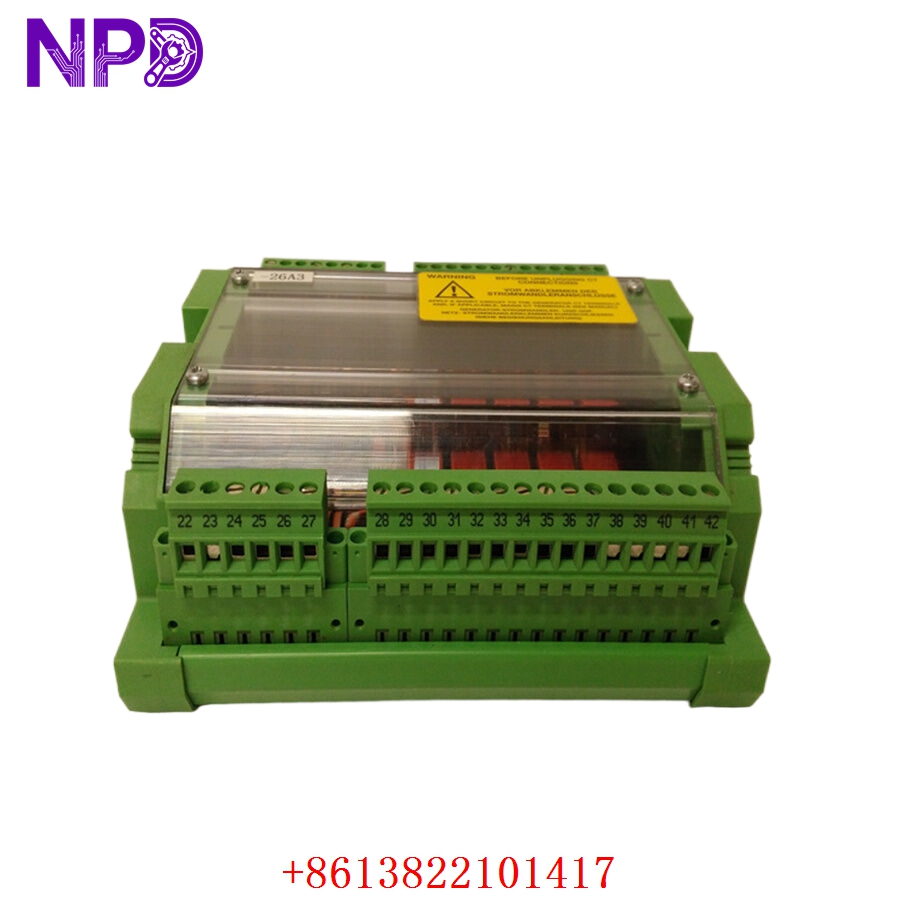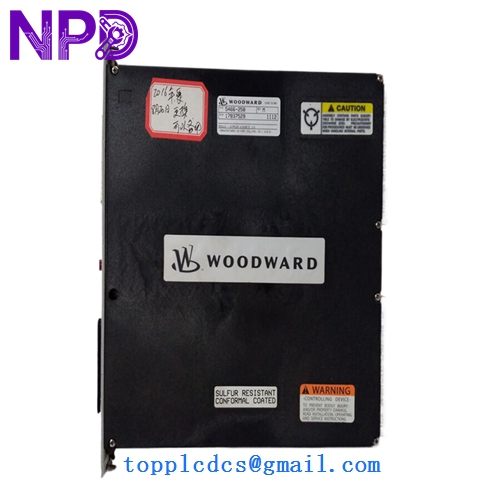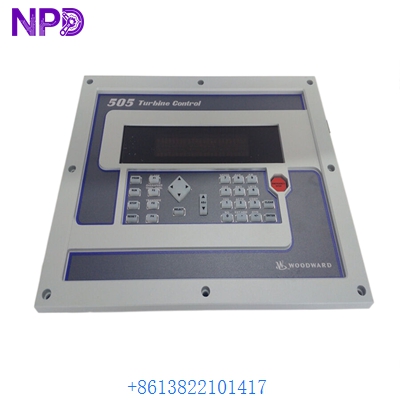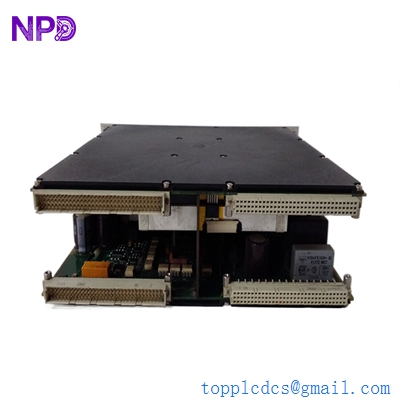

Description
Product Datasheet & Technical Parameters
- Brand: WOODWARD
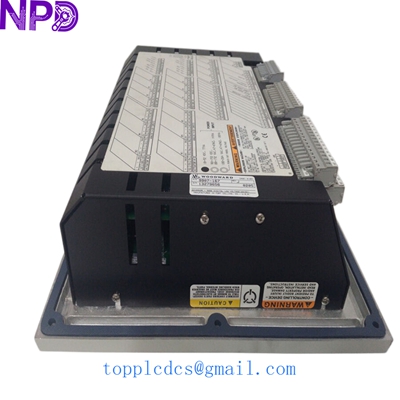
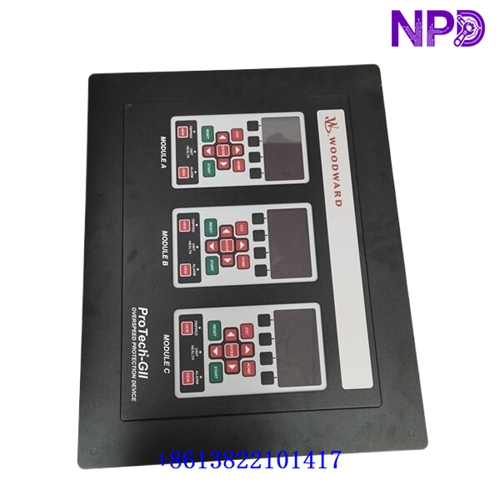
- Model: 9907-005 (MSLC)
- Series: MSLC Master Synchronizer and Load Control Series
- Product Name: Master Synchronizer and Load Control Unit
- Place of Origin: United States
- Condition Status: Brand New / Factory Original Surplus
- Dimensions: Approx. 460.65 mm x 264.16 mm x 58.42 mm (Sheet Metal Back Plate Enclosure)
- Weight: Approx. 6 lbs 14 oz (3.1 kg)
- Original Region: USA Manufacturing Plant
- System Integration: Microprocessor-based master control specifically designed for three-phase electric power generation sites equipped with Woodward DSLC (Digital Synchronizer and Load Control) units
📖 Product Overview & Description
The Woodward 9907-005 Master Synchronizer and Load Control (MSLC) is an advanced microprocessor-based management device designed to act as the central coordinator for multi-generator power systems utilizing Woodward DSLC modules. It supervises plant-wide power generation, providing seamless master control for synchronizing the entire plant bus to a utility grid or main distribution network.
By communicating across a Local Operating Network (LON) with individual DSLC-equipped generator sets, the MSLC coordinates total plant active power, power factor, and import/export power levels. It ensures that multiple generators share base load demands smoothly and allows for automated, bumpless transitions when tying the combined plant bus to an energized utility source.
🛠️ Operating Specifications & Usage Methods
Proper installation and communication setup are vital for plant-wide stability. All potential transformer (PT) sensing lines, control interfaces, and Local Operating Network (LON) twisted-pair communication cables must be properly shielded and routed well away from high-voltage distribution lines, heavy machinery, and variable frequency drives to prevent data corruption. The master unit should be mounted securely inside a protective plant control room enclosure.
During system commissioning, configure the MSLC parameters—such as base load setpoints, utility tie breaker limits, power factor targets, and plant import/export boundaries—using an authorized handheld programmer terminal or service tool. Verify network communication integrity across all connected DSLC nodes before performing any plant-level synchronization tests.
⚡ Startup & Shutdown Sequence
Following a structured startup and shutdown sequence protects plant switchgear, transformers, prime movers, and electrical distribution infrastructure from mechanical shock and electrical transients.
- Startup Sequence: First, inspect all auxiliary control circuits, safety interlocks, and master breaker mechanisms. Energize the control power supply to the MSLC unit and all connected DSLC modules, confirming that LON network communications and status diagnostics indicate normal operation. Bring individual generator sets online via their respective DSLC controllers, allowing them to synchronize and share local bus loads. Once the plant generation is stable, engage the MSLC master control to manage plant-wide power factor and prepare the utility tie breaker for automated synchronization.
- Shutdown Sequence: Begin by ramping down total plant exported power or transferring load back to the utility grid through the MSLC operator interface. Open the main utility tie breaker to decouple the plant bus from the external grid. Proceed to shut down individual generator units sequentially by unloading them via their DSLC controllers, opening their generator breakers, and allowing the prime movers to undergo thermal cool-down before stopping. Finally, de-energize the MSLC and DSLC control power supplies.
❓ Frequently Asked Questions (Q&A)
- Q1: What is the primary role of the Woodward 9907-005 in a power generation system?
- A1: It serves as the master controller that coordinates plant-wide active power, power factor, and utility tie synchronization for power sites equipped with Woodward DSLC units.
- Q2: How does the MSLC communicate with individual generator controls?
- A2: It communicates across a Local Operating Network (LON) architecture to exchange data and coordinate commands with each connected DSLC module.
- Q3: Can the MSLC manage import and export power levels with an external utility grid?
- A3: Yes, it allows operators to regulate and maintain precise power import or export limits between the plant bus and the utility distribution network.