Description
Product Description
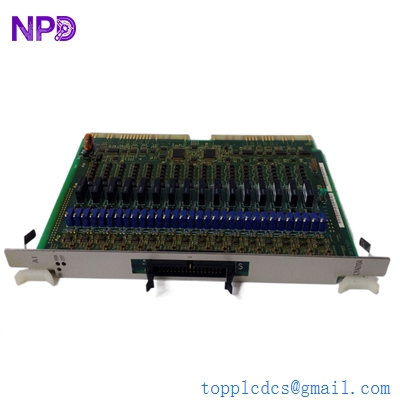
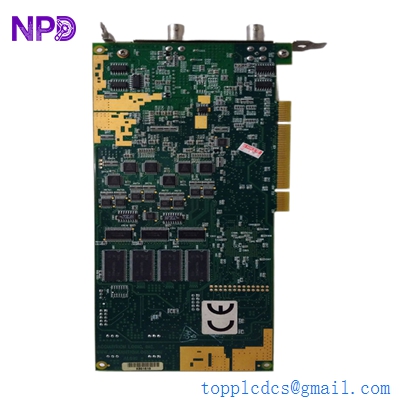
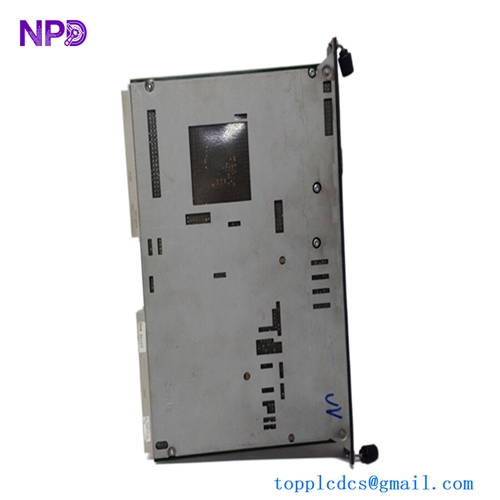
The Yokogawa AFV10D-S41211 is a Duplexed Field Control Unit (FCU) designed for Yokogawa CENTUM VP distributed control systems. It provides the central control platform for process-control execution and communication between the control network and connected field I/O equipment.
The AFV10D supports dual-redundant Vnet/IP communication and a dual-redundant power architecture. Its duplexed configuration is designed to improve control-system availability by allowing redundant controller and power-supply modules to operate within the same FCU.
The unit supports Yokogawa Field Control I/O (FIO) architecture and is installed in a 19-inch rack. Depending on the configured hardware, it can accommodate processor modules, power-supply modules, I/O modules, and bus interface modules.
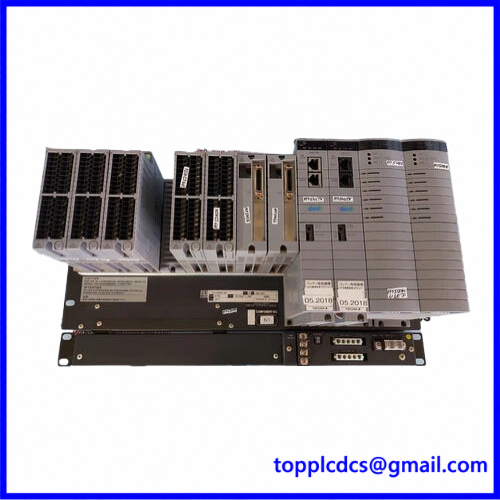
AFV10D-S41211
Key Technical Specifications
- Brand: Yokogawa
- Model: AFV10D-S41211
- Series: CENTUM VP
- Product Name: Duplexed Field Control Unit
- System Function: Field Control Station (FCS) control platform
- Communication Network: Vnet/IP
- Network Configuration: Dual-redundant
- I/O Architecture: Yokogawa FIO
- Processor Module: CP451
- Processor: VR5432, 133 MHz
- Main Memory: 32 MB
- Memory Backup: Battery-backed memory, up to 72 hours
- Power Supply Modules: PW481, PW482, or PW484, depending on supply configuration
- Processor Configuration: Two CP451 modules in a duplexed arrangement
- Maximum I/O Modules: 8, subject to system configuration
- Maximum Node Units: 14 per FCU, subject to node and license restrictions
- Mounting: 19-inch rack mounting
- Power Input: 220–240 V AC, 50/60 Hz, according to the S41211 suffix configuration
- Power Consumption: Approximately 230 VA
- Network Connection: UTP cable, CAT5e or better, to a Layer 2 switch
- Status Contact Output: Two terminals, NC and common; 30 V DC maximum, 0.3 A
- Weight: Approximately 8 kg
- Dimensions: Confirm from the installed rack assembly and mechanical drawing
- Country of Origin: Japan, subject to confirmation from the individual unit label
- Product Condition: Confirm with seller
Application Scenarios and Pain Points
- Oil and gas processing: Provides centralized control execution and field I/O coordination for process facilities.
- Chemical plants: Supports continuous process control, equipment interlocks, and distributed control operations.
- Power generation: Integrates process-control functions for auxiliary equipment and plant systems.
- Petrochemical facilities: Connects field control nodes and process instruments through the CENTUM VP architecture.
- Industrial manufacturing: Provides a centralized control platform for production processes requiring redundant control hardware.
- DCS maintenance: Serves as a replacement FCU assembly for compatible Yokogawa installations.
Common maintenance issues include controller-module faults, power-supply alarms, Vnet/IP communication interruptions, battery backup deterioration, and I/O node communication errors.
Installation and System Integration
- Confirm that the existing installation uses a compatible Yokogawa CENTUM VP and Vnet/IP architecture.
- Verify the complete model code AFV10D-S41211 and compare it with the original unit’s nameplate.
- Confirm that the assembly includes the required CP451 processor modules and PW-series power-supply modules.
- Check that the power-supply configuration matches the specified 220–240 V AC input.
- Verify dual-redundant Vnet/IP network connections and the associated Layer 2 switch configuration.
- Confirm the FIO node arrangement and the required ESB or ER bus interface modules.
- For ESB Bus Node Units, verify the EC401 installation and slot arrangement.
- For ER Bus Node Units, verify the EB401 interface module and its installation position.
- Confirm the required node expansion licenses and application capacity before adding additional nodes.
- Check controller firmware, system software revision, and FCS configuration compatibility before replacement.
- Back up the existing control-system configuration and follow the approved controller replacement procedure.
The AFV10D supports up to 14 connected node units under the documented configuration, but ESB node count and application capacity are subject to specific restrictions and expansion licenses.
Daily Maintenance
- Check the FCU status indicators and system diagnostic messages.
- Monitor both Vnet/IP communication paths for abnormal network status.
- Verify the health of both processor modules in a redundant configuration.
- Inspect power-supply module status and investigate voltage or power alarms.
- Monitor battery condition and maintain records of battery replacement.
- Check ESB and ER bus communication status.
- Inspect rack mounting, grounding, and cable connections.
- Maintain adequate cabinet ventilation and operating temperature.
- Keep backups of controller configuration, system software, and relevant engineering records.
- Record recurring communication faults and controller switchover events.
Troubleshooting and FAQ
Q1: What is the function of the AFV10D-S41211?
A: It is a duplexed Field Control Unit used in Yokogawa CENTUM VP systems. It provides control execution and communication between the FCS and connected field I/O equipment.
Q2: Does the AFV10D support controller redundancy?
A: Yes. The AFV10D is designed for a duplexed configuration using two compatible CP451 processor modules and redundant power supplies.
Q3: What power supply does the S41211 version use?
A: The S41211 suffix identifies the 220–240 V AC power-supply option. Always verify the nameplate and installed power-supply modules before energizing the equipment.
Q4: How many field I/O nodes can it support?
A: The documented maximum is 14 ESB and ER Bus Node Units combined, with additional restrictions on ESB nodes and application capacity. Expansion may require specific software packages and licenses.
Q5: What should be checked if Vnet/IP communication fails?
A: Inspect both network paths, Ethernet cables, switch ports, network configuration, and FCU diagnostics. Check whether the fault affects one communication path or both.
Q6: What happens if one processor module fails?
A: In a correctly configured duplexed system, the redundant processor is intended to maintain control availability. Confirm the actual system status and switchover behavior through the approved maintenance procedure.
Q7: Is the AFV10D-S41211 a standalone PLC?
A: No. It is a Field Control Unit designed for integration into the Yokogawa CENTUM VP control-system architecture. It requires compatible system hardware, software, and configuration.
Safety Precautions
- Follow the plant’s approved isolation and shutdown procedures before removing or installing the FCU.
- Verify the AC input voltage before connecting the power supply.
- Do not remove processor or power modules without checking the system’s redundancy and maintenance requirements.
- Use electrostatic discharge protection when handling electronic modules.
- Maintain proper grounding and cable shielding.
- Do not change Vnet/IP settings, node assignments, or controller configurations without authorization.
- Confirm the condition of the memory backup battery before relying on retained controller data.
- Complete communication, redundancy, and I/O verification before returning the system to normal operation.
Related Yokogawa Models
The following products belong to related Yokogawa CENTUM VP and FIO control-system families. They are associated components or related configurations, not all direct replacements for AFV10D-S41211.
- Yokogawa AFV10S – Field Control Unit
- Yokogawa AFV10D-S41401 – Duplexed Field Control Unit
- Yokogawa CP451 – Processor Module
- Yokogawa PW481 – Power Supply Module
- Yokogawa PW482 – Power Supply Module
- Yokogawa PW484 – Power Supply Module
- Yokogawa EC401 – ESB Bus Coupler Module
- Yokogawa EB401 – ER Bus Interface Master Module
- Yokogawa AAI143 – Analog Input Module
- Yokogawa AAI543 – Analog Output Module
- Yokogawa ADV151 – Digital Input Module
- Yokogawa ADV561 – Digital Output Module
- Yokogawa ANB10D – ESB Bus Node Unit
- Yokogawa ANR10D – ER Bus Node Unit
- Yokogawa AIP601 – Field Control Unit Interface Module
Ordering and Verification
When ordering the Yokogawa AFV10D-S41211, verify the complete model code, serial number, hardware revision, and installed module configuration.
For replacement projects, confirm the 220–240 V AC power option, CP451 processor arrangement, PW-series power supplies, Vnet/IP network configuration, and connected FIO node architecture.
If purchasing a complete FCU assembly, confirm whether both processor modules, both power-supply modules, bus interface modules, and rack accessories are included. Request clear photographs of the nameplate, front panel, internal module arrangement, and rear connections. Confirm the testing status and configuration before shipment.